
 EN
EN



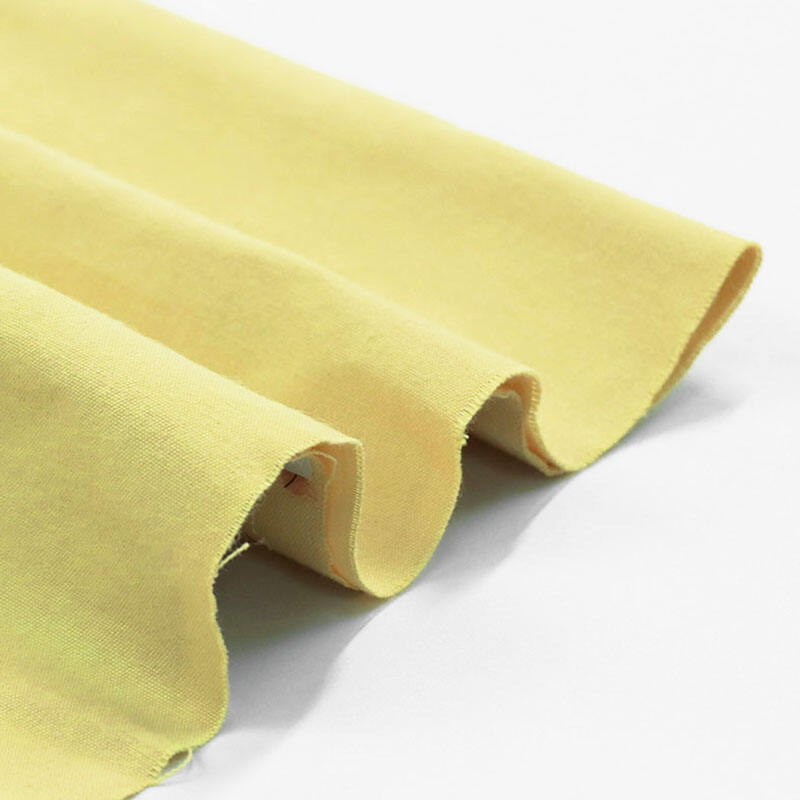
What Is Aramid Fabric? Chemical Structure and Key Physical Properties
Molecular Composition: Aromatic Polyamide Backbone
Aramid fabric—named for its aromatic polyamide chemistry—features rigid benzene rings directly linked to amide groups (–CO–NH–) in a linear chain. This architecture prevents molecular rotation under stress and promotes tight chain alignment, reinforced by intermolecular hydrogen bonding. The result is exceptional structural stability and an outstanding strength-to-weight ratio: aramid fibers are 5–6 times stronger than steel at just one-fifth the weight.
Critical Performance Traits: Heat Resistance, Tensile Strength, and Flame Retardancy
Three interlinked properties define aramid’s industrial utility. Its thermal stability supports continuous use up to 400°C (752°F), with decomposition only occurring above 500°C (932°F)—surpassing most synthetic polymers. Tensile strength reaches ~3,000 MPa, exceeding that of high-carbon steel wire while retaining flexibility. And because aromatic bonds resist oxidative breakdown, aramid is inherently flame retardant: it self-extinguishes and has a limiting oxygen index (LOI) above 28%, meaning it won’t sustain combustion in ambient air. These traits arise directly from its highly ordered, crystalline structure and thermally stable backbone.
Major Types of Aramid Fabric: Para-Aramid vs. Meta-Aramid Compared
Aramid fabrics fall into two structural families—para-aramid and meta-aramid—whose distinct polymer configurations drive divergent performance profiles and applications.
Para-Aramid (e.g., Kevlar®, Twaron®): High-Strength Applications
Para-aramid features straight-chain, rod-like molecules aligned in parallel, yielding a highly crystalline, rigid structure. This delivers extreme tensile strength—up to five times that of steel at equal weight—alongside impact absorption and cut resistance. It is the material of choice for:
- Ballistic body armor and tactical helmets
- Cut-resistant gloves and high-performance ropes
- Tire cord reinforcement and lightweight composite laminates
Meta-Aramid (e.g., Nomex®, Teijin Conex®): Thermal and Electrical Insulation Focus
Meta-aramid adopts a bent, “zigzag” molecular arrangement, producing a semi-crystalline structure that sacrifices some tensile strength for superior thermal resilience and dimensional stability. It withstands continuous exposure to 250°C (482°F), resists ignition, and maintains dielectric integrity under high voltage. Typical uses include:
- Firefighter turnout gear and flash-fire protective workwear
- Electrical insulation in transformers and motors
- High-temperature filtration media and aerospace gaskets
The fundamental distinction lies in molecular geometry: para-aramid’s linearity maximizes mechanical performance; meta-aramid’s kinked backbone optimizes thermal barrier function—guiding precise material selection across safety-critical domains.
Core Industrial Applications of Aramid Fabric
Ballistic Protection and Military Gear
Aramid fabric is foundational to modern ballistic protection. Its ability to absorb and disperse kinetic energy—without shattering or deforming permanently—makes it vastly more effective per unit weight than steel plating. Lightweight body armor, combat helmets, and vehicle armor systems rely on this property to enhance mobility and survivability for military and law enforcement personnel. Its inherent cut and fragmentation resistance further extends protection to gloves, sleeves, and soft-armor inserts.
Firefighting and Industrial Safety Apparel
Unlike treated cotton or polyester, aramid-based garments provide inherent, non-leaching flame resistance. They neither melt nor drip below 500°C and form a protective char layer when exposed to flame—buying critical seconds during flash fire or arc flash events. Combined with excellent thermal insulation and abrasion resistance, aramid enables durable, compliant turnout gear, hoods, and gloves used in oil refineries, foundries, and electrical utilities—where exposure to molten metal, radiant heat, or hazardous chemicals is routine.
Aerospace, Automotive, and Friction Materials (e.g., Brake Pads, Clutches)
In transportation engineering, aramid reinforces composites for aircraft cabin panels, rocket motor casings, and structural automotive components—reducing weight without sacrificing crashworthiness or fatigue life. Its vibration-damping characteristics also improve ride quality and component longevity. In friction systems, aramid fibers embedded in brake pads and clutch facings deliver consistent torque transfer at elevated temperatures, eliminating brake fade during repeated high-load stops. Compared to legacy asbestos formulations, aramid-reinforced friction materials extend service life by 30–50% while meeting stringent environmental and safety standards.
Why Manufacturers Choose Aramid Fabric Over Alternatives
Performance-to-Weight Ratio vs. Carbon Fiber and Steel
Aramid offers a unique balance: higher impact resilience than carbon fiber—which tends to brittle-fracture—and far greater strength-to-weight efficiency than steel. While carbon fiber excels in stiffness-critical static structures, aramid’s flexible molecular chains excel where dynamic energy absorption matters—such as body armor or crash-absorbing vehicle components. Against steel, aramid delivers five times the tensile strength per unit mass, enabling lighter, safer, and more agile designs across aerospace, defense, and personal protective equipment.
Long-Term Durability and Lifecycle Cost Efficiency
Though aramid carries a higher upfront cost than conventional textiles, its durability translates into substantial lifecycle savings. Resistant to abrasion, UV degradation, and many industrial chemicals, aramid-reinforced products significantly outlast alternatives. Conveyor belts with aramid tensile members, for example, operate reliably for 3–5 years—versus 12–18 months for polyester equivalents—reducing downtime, labor, and replacement waste. When factoring in maintenance, regulatory compliance, worker safety, and end-of-life handling, facilities realize 40–60% lower total cost of ownership over a decade.
Frequently Asked Questions (FAQ)
What is aramid fabric made of?
Aramid fabric is composed of aromatic polyamide chains with benzene rings linked by amide groups. This structure creates strong intermolecular bonds, providing exceptional strength and thermal stability.
What are the key differences between para-aramid and meta-aramid?
Para-aramid features a linear, crystalline structure optimized for tensile strength and impact resistance, while meta-aramid has a semi-crystalline, kinked structure that excels in thermal and dielectric applications.
What are some common industrial applications of aramid fabric?
Aramid fabric is widely used in ballistic protection, flame-resistant clothing, aerospace components, friction materials like brake pads, and high-performance industrial products like ropes and filtration media.
How does aramid compare to steel and carbon fiber?
Aramid offers five times the strength of steel at much lower weight and is more impact-resistant than carbon fiber, making it ideal for dynamic and safety-critical applications.
What advantages make aramid cost-effective long-term?
Aramid's durability, resistance to environmental degradation, and reduced maintenance costs contribute to significant lifecycle savings despite its higher upfront cost.