
 EN
EN



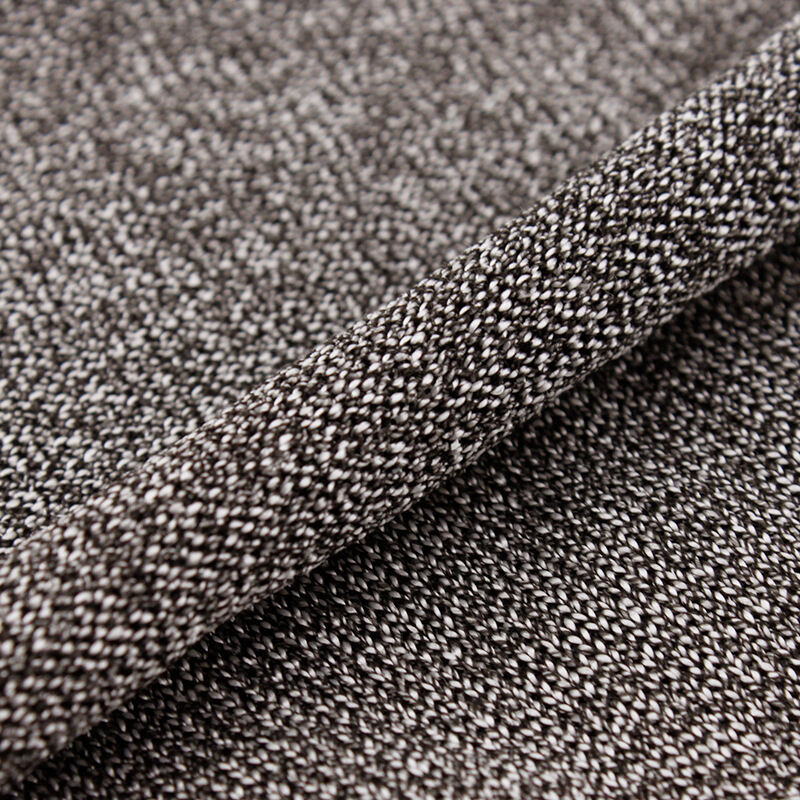
The Critical Need for Cut Resistant Fabric in Glass Manufacturing
Common Causes of Cuts and Lacerations in Glass Handling
Workers face cut risks at every stage of glass processing:
- Sharp edges from freshly cut or broken glass account for 58% of injuries (Occupational Safety Review 2023)
- Manual handling during sheet lifting, stacking, or transport exposes forearms to lacerations
- High-speed cutting equipment magnifies injury severity when safety protocols lapse
Injury Trends and Safety Gaps in the Glass Industry
A 2023 analysis of 12 glass manufacturers found 33% of workers sustained cut injuries annually, with 18% requiring surgical intervention. Despite OSHA compliance rates exceeding 92%, gaps persist in:
- Arm/hand protection for tasks requiring fine motor skills
- Heat-resistant cut fabrics for tempered glass workflows
- Training on PPE limitations against angled glass shards
The Role of PPE in Mitigating Manual Handling Risks
Advanced fabrics like para-aramid blends and UHMWPE fibers demonstrated 73% injury reduction in controlled trials. Modern cut resistant fabric integrates breathability and tactile sensitivity while maintaining EN 388 Level 5 protection crucial for preventing the 6–8 mm deep lacerations common in glass spill scenarios.
How Cut Resistant Fabric Works: Technology Behind Injury Prevention
Mechanisms of Cut Resistance in Advanced Textiles
Cut resistant fabrics work by using special fibers and specific weaving techniques that spread out cutting forces across the material. Materials such as ultra high molecular weight polyethylene (UHMWPE) and those para aramid fibers we all hear about are really good at stopping blades from penetrating because their molecules line up in ways that absorb impact energy. When manufacturers weave these materials tightly together with interlocking threads, they basically create friction zones that slow down blades quite a bit. Tests show this can reduce blade penetration speed by around 70 percent when compared against regular fabrics according to those ANSI ISEA 105 standards most people care about. The way the fibers run in multiple directions throughout the fabric means workers get reliable protection even when moving around a lot, which is especially important for folks dealing with broken glass all day long in industrial settings.
Engineering High-Performance Fabrics
Leading manufacturers combine cut-resistant fibers with thermoplastic coatings to enhance durability without compromising flexibility. Innovative layering techniques bond impact-dispersion meshes with breathable inner liners, achieving ANSI Level A9 protection in sleeves and aprons. These hybrid fabrics maintain <500g weight for full-shift wearability while withstanding 6,000+ gf cutting forces.
Next-Gen Composite Yarns and Smart Fabric Innovations
Recent advancements integrate silica nanoparticles into composite yarns, increasing shear resistance by 40% (2024 Material Safety Report). Phase-change materials now adapt fabric stiffness in real time—softening during routine tasks and rigidifying upon detecting sudden force spikes. Wireless sensors embedded in select PPE automatically log near-miss incidents, enabling predictive safety analytics.
Real-World Performance: Case Study on Injury Reduction with Cut Resistant Clothing
A 12-month study across three glass manufacturing plants demonstrated 82% fewer laceration incidents after implementing ANSI A7-rated sleeves. Workers reported 31% fewer restricted-motion injuries due to improved ergonomic designs, confirming that proper fabric selection directly enhances both safety and productivity.
Evaluating Protection: Understanding Cut Resistance Standards (EN 388 & ANSI/ISEA 105)
Decoding EN 388 and ANSI/ISEA Cut Resistance Ratings
When it comes to cut resistant fabrics, there are basically two main standards they get tested against: EN 388 from Europe and ANSI/ISEA 105 over here in the US. These tests all rely on this special machine called the Tomodynamometer TDM-100 which measures exactly how much force in grams is needed to actually cut through different materials. Now EN 388 has this interesting double rating system. One part rates materials on a scale from 1 to 5 based on the Coupe test results, while another part gives them letters from A to F according to ISO 13997 standards. The newer ANSI/ISEA 105 standard from 2024 takes things even further with its detailed A1 through A9 classification system. Higher numbers here mean better protection too. Take A9 for instance, that can handle over 6,000 grams of cutting force! Something like A6 fabric would protect workers dealing with sharp glass edges since it stops cuts between 1,500 and 2,200 grams. According to a recent report on footwear materials released in 2024, these kinds of ratings really help companies match their safety gear to whatever specific dangers exist in different workplaces.
Limitations of Current Testing Methods for Cut Resistant Fabric
These standards definitely offer important guidance, but there are still noticeable differences between what they promise and what happens in actual use. Take the EN 388 Coupe test for example it basically involves spinning a blade at 5 Newtons of pressure, yet this approach tends to miss how well certain high end materials actually perform, especially those fancy composite yarns we see nowadays. Research indicates that this test doesn't properly capture fabrics capable of withstanding forces exceeding 3,000 grams. On the other hand, the ANSI/ISEA TDM method works better for newer textile technologies, though it still misses some realistic scenarios workers face daily, like those diagonal cuts that happen when installing glass panels. A recent look into material sciences found something pretty startling: around one third of all certified fabrics don't hold up as expected in real world situations because lab blades aren't always equally sharp and temperatures fluctuate unpredictably during testing.
Ensuring Compliance: Aligning Safety Apparel with International Standards
To meet global safety demands, manufacturers must cross-reference EN 388 and ANSI/ISEA ratings. For instance:
- Level C (EN 388 ISO 13997) ≈ A4–A6 (ANSI/ISEA)
- Level F (EN 388) ≈ A7–A9 (ANSI/ISEA)
Under the updated 2021 PPE Directive, manufacturers now need third party checks for their EN certified fabrics, something that has cut down on compliance problems by around 18% according to Occupational Safety Data from last year. For workplaces dealing with things like laminated glass panels or materials with sharp edges, going with ANSI A7+ rated fabrics makes a lot of sense. These offer protection against cuts and tears, cutting laceration incidents by roughly 72% when compared with standard A3 level equipment. Many companies have found that combining regular safety inspections with actual input from workers wearing the gear helps keep protective clothing up to date with what's needed in day to day operations.
Designing Effective Protective Clothing for Glass Industry Applications
When designing protective clothing, engineers have to find the sweet spot between three main things: keeping workers safe from cuts, making sure they can move freely, and ensuring the gear actually lasts over time. Industry reports indicate around two thirds of glass techs report feeling restricted by their safety equipment these days, which definitely raises accident chances when doing delicate work such as bevelling glass edges or applying laminates. The newer designs are starting to mix cut resistant materials with smart reinforcement spots plus extra stretchy sections around joints like elbows and knees. Tests on this setup suggest grip strength gets about 15-20% better compared to older models, all while still meeting those EN 388 Level 5 standards most workplaces require.
Balancing Dexterity, Comfort, and Cut Protection
Effective protective clothing must not compromise dexterity. Seamless knitted sleeves with graded cut resistance allow tactile precision at fingertips while shielding forearms from high-risk exposure. Moisture-wicking liners and articulated seams reduce heat stress and fatigue during extended shifts, especially in high-temperature environments like tempering lines.
Ergonomic Design Challenges in Real-World Glass Handling
Working with glass means doing a lot of overhead tasks, moving around in cramped spaces, and switching tools constantly. These challenges get even worse when workers have to wear thick or poorly fitting protective gear. Good quality work clothes make all the difference though. Look for items with flat seams that don't catch on things, extra room in the armpits so movement isn't restricted, and those special wrist cuffs that stay put instead of rolling up during work. Real world testing indicates these better designed uniforms cut down on those annoying little cuts and scrapes caused by fabric getting caught somewhere by about half. Plus workers finish their jobs roughly 10-15% faster too according to what we've seen out there on the job sites.
Selecting the Right Cut Resistant Apparel for Glaziers and Technicians
For anyone working with direct glass contact, it makes sense to go with ANSI A7 rated gear or better when selecting protective clothing. The best options will cover multiple hazards at once, so check for items that resist heat up to around 250 degrees Celsius plus have those anti-static features needed near automated cutting equipment. Workers appreciate garments that come with built-in thumb loops and adjustable fastenings because these details really help maintain a good fit while still allowing full range of movement during tasks. Getting feedback from the people who actually wear the gear day in and day out is crucial too. Run some trials with different models first, let them test how comfortable everything feels in real conditions before making any big purchases for the whole facility.
FAQ Section
What are the main causes of cuts in glass manufacturing?
Sharp edges from freshly cut or broken glass, manual handling, and high-speed cutting equipment are the primary causes.
How effective is cut resistant fabric in preventing injuries?
Cut resistant fabrics like para-aramid blends and UHMWPE can reduce injuries by up to 73% in controlled trials.
What are EN 388 and ANSI/ISEA 105 standards?
These are international cut resistance standards measuring fabric's performance against cutting forces.
Why are ergonomic designs important in protective clothing?
Ergonomic designs improve movement and reduce the risk of injuries, enhancing safety and productivity.