
 EN
EN


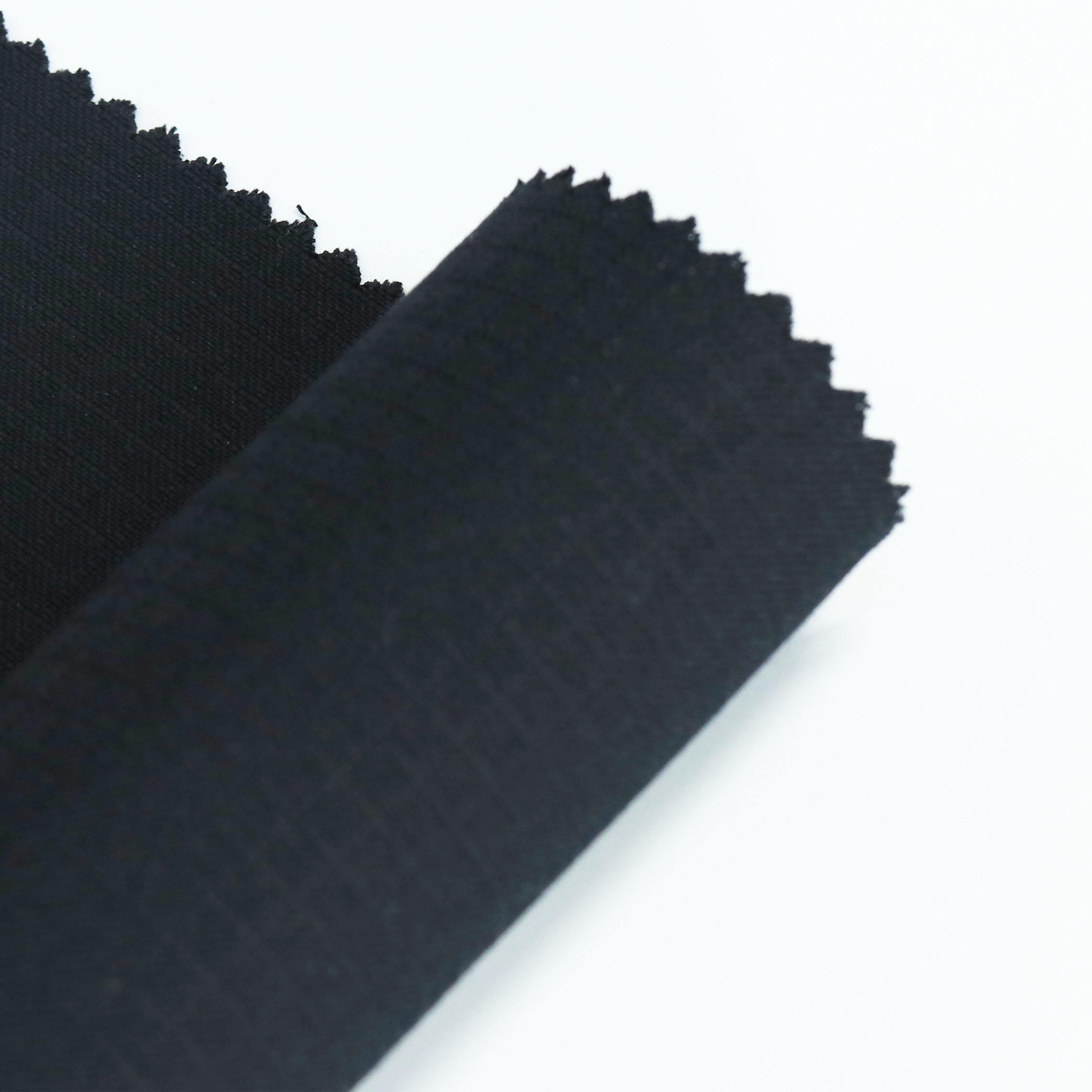
Proven Worker Safety Benefits of Flame Retardant Fabric in High-Risk Industries
Reduction in burn severity and critical escape time extension
When exposed to flames, flame resistant (FR) fabric puts out its own fire once away from the source and creates a protective layer that acts as insulation for the skin underneath. This barrier slows down how fast heat gets through, giving people those precious extra seconds they need to get out of danger zones. We're talking about anywhere between four to six seconds longer, which can make all the difference in situations where there's a sudden flash fire. A recent report from the National Fire Protection Association backs this up, saying that these few extra moments often mean the difference between walking away unharmed versus suffering serious injuries. Workers wearing FR gear experience much less severe burns too. Research indicates around half as many third degree burns happen when someone is dressed appropriately versus what happens with regular work clothes during accidents at factories or plants. Less damaged skin means fewer trips to hospitals for treatments like skin grafts, and generally better chances of bouncing back after an incident.
Evidence from NFPA and OSHA incident data (2019-2023): FR fabric impact on injury outcomes
Looking at data from NFPA and OSHA between 2019 and 2023 shows just how important FR gear really is for people working in dangerous environments. Companies that actually follow the rules about FR clothing saw about 30 percent fewer folks ending up in hospitals because of burns. Take a look at places like refineries and power plants where over 80% of workers wear this stuff properly, and we see something pretty impressive - OSHA numbers show a drop of around 25% in deaths caused by burns. The latest Industrial Burn Injury Report from 2023 tells us another interesting thing: when workers survive flash fires, about two thirds were wearing certified FR work clothes at the time. All these stats point to one clear fact - those special flame resistant fabrics do make a real difference. They don't stop accidents completely, but they definitely turn what could be life changing injuries into something much less severe most of the time.
Key Industrial Applications Driving Flame Retardant Fabric Adoption
Flame resistant fabric plays a vital role in many industries facing regular fire threats. Firefighters rely on these special textiles for their turnout gear since they need something that can actually stand up to direct flames. Workers in oil and gas fields put on FR coveralls when doing drilling or refining work because flash fires happen all too often there. Linemen working with electrical utilities get outfits rated against arc flashes so they aren't exposed to dangerous levels of heat from sudden voltage surges. Construction sites use FR materials for things like welding blankets and barriers around areas where sparks might hit flammable materials. The transportation world has also caught on, putting these fabrics inside airplanes and into race car driver suits where getting out fast matters most after a crash. These same materials go beyond just clothing though. They're incorporated into building insulation, temporary shelters during emergencies, and even covers for heavy machinery parts. Industry standards like NFPA 70E and ISO 11612 set the rules for how well these fabrics perform, which helps keep everyone following similar safety practices regardless of what job they're doing.
Selecting the Right Flame Retardant Fabric: Standards, Performance Metrics, and Practical Trade-Offs
Compliance essentials: NFPA 2112, ASTM F1506, ISO 11612, and OSHA enforcement expectations
When choosing flame resistant fabrics, sticking to recognized safety standards is absolutely necessary. Take NFPA 2112 for instance it's the gold standard for flash fire protection. According to this standard, any material used needs to stop burning on its own within just two seconds once exposed to flames. Then there's ASTM F1506 which looks at how well fabrics resist arc flashes through measurements called ATPV and EBT these numbers tell us important stuff about thermal protection levels. For workers dealing with intense heat or molten metals, ISO 11612 becomes essential since it tests protection against both convective heat and splashes from hot metal, something common in foundries and metal shops. OSHA takes all this seriously too, fining companies up to fifteen thousand dollars for each violation as of last year's figures. That means employers need to get proper third party certifications and keep detailed records showing each fabric batch has passed required tests before putting them into service.
Balancing ATPV/EBT ratings, fabric lifespan, breathability, and wearability
Choosing the right FR fabric means finding that sweet spot between safety and getting the job done comfortably. Fabrics rated above 8 cal/cm² definitely give better protection against arc flashes, but these heavy duty options typically weigh about 15 to 20 percent more than standard gear, which can really hamper movement on site. Thermal breakthrough testing (EBT) tells us how well materials resist heat transfer, yet going for thicker fabrics often means sacrificing breathability, something workers notice when they start sweating through their gear during long shifts. The durability factor depends heavily on what kind of fibers we're talking about. Treated cotton tends to lose around 30% of its fire resistant qualities after just 50 wash cycles in industrial settings, while meta-aramid fibers keep performing even after over 100 washes, although they come with a price tag about 40% higher than alternatives. For folks who actually need to wear this stuff day in and day out, looking for fabrics that wick away sweat, fit properly without restricting motion, and stay comfortable in hot conditions makes all the difference between compliance and employees taking shortcuts because their gear drives them nuts.
Frequently Asked Questions (FAQ)
What is the main benefit of using flame retardant fabrics in high-risk industries?
Flame retardant fabrics offer increased safety by reducing burn severity and providing critical escape time during fire incidents, which can prevent serious injuries or fatalities.
What does NFPA 2112 standard protect against?
NFPA 2112 is the standard for flash fire protection, requiring materials to stop self-sustaining burning within two seconds of flame exposure.
How do performance metrics like ATPV and EBT influence the selection of flame retardant fabrics?
ATPV and EBT ratings indicate a fabric's thermal protection level against arc and heat exposure, vital for choosing suitable garments based on the risk levels in specific job environments.
What industries benefit the most from flame retardant fabrics?
Industries such as firefighting, oil and gas, electrical utilities, construction, and transportation heavily rely on flame retardant fabrics due to their regular exposure to fire hazards.