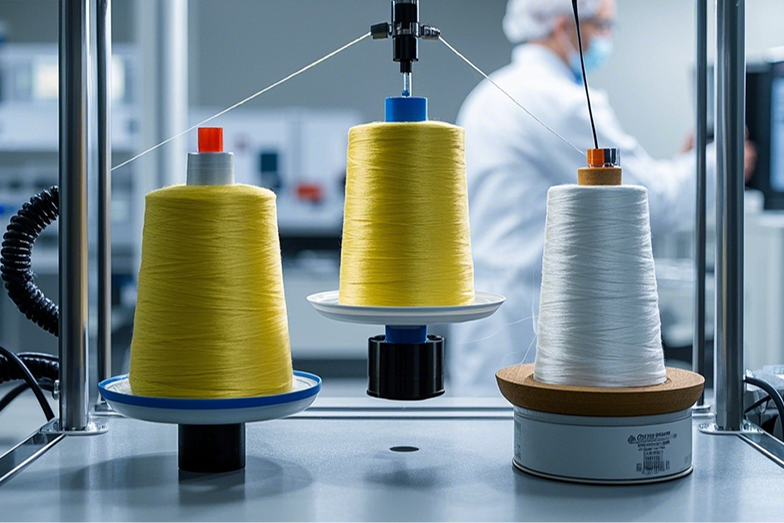
Direkte svar: Det finnes ingen enkelt sikker vasketelling for flammehemmende (FR) stoff. Det avhenger av hvordan beskyttelsen er oppnådd. Inherente FR-stoffer – laget av aramid-, modakryl- eller UHMWPE-fibre – beholder sin flammehemmende egenskap gjennom hele klærnes levetid og tåler mer enn 50 industrielle vasker uten å miste ytelse. Behandlede stoffer, som FR-kluter, avhenger av en kjemisk overflatebehandling som gradvis vaskes bort, og gir vanligvis en sertifisert levetid på ca. 12–16 måneder. Vask dem riktig, og du utvider denne levetiden; vask dem feil, og du forkorter den.
Kort svar
Inherente FR (aramid, modakryl, UHMWPE): ingen fast vaskegrense. Flammehemmende egenskap er en egenskap ved selve fibermolekylet og kan ikke vaskes ut, slites bort eller blekes.
Behandlede FR (FR-kluter, FR-kluter/nylon): beskyttelsen svekkes ved hver vasking. Erfaring fra bransjen viser at 100 % FR-kluter typisk har en levetid på ca. 12–16 måneder i aktiv bruk, mens 88/12-kluter/nylon-blandinger har en levetid på 18–30 måneder. Sertifikater for behandlingen er vanligvis gyldige i ca. ett år.
Den virkelige variabelen er omsorg: riktig vask forlenger levetiden; klorblek, tekstilmykner, stivelse og overdreven varme akselererer nedbrytningen – spesielt på behandlede stoffer.
Tabellen nedenfor oppsummerer alternativene kjøperne sammenlikner oftest.
|
Stofftype |
Hvordan flammehemmende egenskaper fungerer |
Typisk levetid |
Virkning av vasking |
|
Behandlet 100 % flammehemmende bomull |
Kjemisk behandling påført stoffet |
ca. 12–16 måneder (bransjeerfaring) |
Behandlingen slites bort ved hver vasking; gjennomfør ny godkjenning regelmessig |
|
Behandlet bomull/nylon (88/12) |
Kjemisk finish + nylon-forsterkning |
ca. 18–30 måneder |
Samme mekanisme, langsommere nedbrytning |
|
Innbygd aramid (meta/para) |
Fiberen er i seg selv flammehemmende (høy LOI-verdi) |
År – ingen fast grense; over 50 vasker i publiserte studier |
Ingen effekt – beskyttelsen kan ikke vaskes ut |
|
Innbygde modakryl-blandinger |
Fiberen er i seg selv flammehemmende, ofte blandet med aramid/votter |
År – ingen fast grense |
Ingen effekt på FR-egenskapene |
Kilder: Lapco FR vaskbarhetsdata; Tyndale FR pleieanbefalinger; NFPA 2112-krav; fagfellevurderte holdbarhetsstudier (PMC).
Hvorfor inneboende FR aldri «vaskes ut»
Flammebestandighet måles ved den begrensede oksygenindeksen (LOI) – den laveste oksygensammensetningen som er nødvendig for å opprettholde forbrenning. Luft inneholder ca. 21 % oksygen. Behandlet bomull ligger nær denne terskelen, noe som forklarer hvorfor dens overflatebehandling er så avgjørende. Inneboende FR-fibre har LOI-verdier rundt 28–32, så i normal luft kan de enkelt ikke støtte en flamme, uansett hvor mange ganger de vaskes.
I aramid-, modakryl- eller UHMWPE-garn er flammehemmende kjemi en del av polymerkjeden – den er ikke en belægning på fiberen. Vaskemidler, vann, varme og friksjon kan ikke fjerne noe som er integrert i fiberstrukturen. Behandlede tekstiler er det motsatte: kjemien sitter på eller inne i fiberen og brytes gradvis ned og fjernes ved gjentatt vasking.
Praktisk konsekvens: hvis applikasjonen din innebærer hyppig vasking, høy varme eller lange klær-livssykluser (sveising, energiforsyning, olje- og gassindustri, støttefunksjoner i brannvesenet), har innebygd flammehemmende (FR) tekstil en vesentlig lavere total eierkostnad – beskyttelsen trenger aldri ny sertifisering på grunn av utvasking.
Slik vasker du flammehemmende arbeidsklær riktig
Vask flammehemmende klær separat. Bland aldri med ikke-flammehemmende klær – pill og kjemisk rest kan overføres og forurense beskyttelsen.
Bruk varmt vann, maks 60 °C (140 °F). Varmere vann akselererer tap av overflatebehandling på behandlede tekstiler og kan føre til krymping.
Bruk vanlig væskevaskemiddel. Ikke bruk klorblek, ikke bruk mykner, ikke bruk stivelse – alle tre kan svekke FR-kjemien eller skjule den.
Forbehandl tyngre olje- og fettflekker. Oljeforurensning på flammehemmende tekstil er i seg selv en brannfare; rens den før vasking.
Vask på vrangen. Beskytter stoffets fremside mot slitasje og forlenger utseendet livslengde.
Unngå veldig varm tørking og strykning med høy temperatur. Moderat tumbler-tørking eller tørking i lufta er tryggest.
Følg merkelappen. Sertifiserte klær (NFPA 2112, EN ISO 11612) har spesifikke pleieanvisninger — avvik kan annullere sertifiseringen.
Når du skal pensjonere FR-klær
Synlig skade: hull, revner, slitt-tynne områder, brutte sømmer.
Urensrengelige forurensninger: olje, kjemikalier eller sot som ikke kan vaskes ut.
Behandlede stoffer som har overskridet sin sertifiseringsperiode eller som har overskridet den levetid som er angitt på merkelappen.
Krymping eller sømbrudd som påvirker passform og dekning.
Etter enhver virkelig hendelse: bekledning som er utsatt for en lynbrann eller bueflash-hendelse skal erstattes, uavhengig av utseende.
Kjøpsråd: Lavere total kostnad med innebygd flammehemmende egenskap
Utgangsprisen er bare halvparten av historien. En behandlede flammehemmende bekledningsplagg kjøpt til lavere pris må kanskje erstattes hvert 12.–16. måned, mens et plagg med innebygd flammehemmende egenskap kan brukes i år. Del kjøpsprisen på antall bruksmåneder – og legg til omkostninger for ny sertifisering, nedstopp og logistikk for erstatning – og innebygde flammehemmende stoffer (aramid, modakryl-blandinger) viser seg ofte å være mer kostnadseffektive for industrielle programmer med regelmessig vasking.
Tre detaljer kjøpere ofte overser:
Sjekk sytråden. Sømmene er den svakest delen i alle flammehemmende klær. Ikke-flammehemmende tråd smelter og svikter først; spesifiser meta-aramid flammehemmende sytråd for full beskyttelse.
Be om testrapporter. Vertikal flammetest (ASTM D6413), varme- og termisk krymping (ISO 17493) og mannekintesting (ASTM F1930 / NFPA 2112) skal være tilgjengelig fra vevverket.
Bekreft at egenskapen er faktisk inneboende. Hvis den flammehemmende kjemien kan vaskes ut, er stoffet behandlet. Spør leverandøren direkte: «Er dette stoffet innbygd flammehemmende?»
Ofte stilte spørsmål
Spørsmål 1: Kan jeg vaske flammehemmende stoff i en vanlig vaskemaskin?
Ja. Bruk varmt vann (maks 60 °C / 140 °F) og vanlig væskevaskemiddel. Ikke bruk klorblek, mykner eller stivelse, og vask flammehemmende klær separat fra ikke-flammehemmende plagg.
Spørsmål 2: Ødelegger tekstilmykner flammehemmende egenskaper?
Det kan det, spesielt på behandlede stoffer. Myknerrestarter kan forstyrre flammehemmende kjemi, og på noen behandlede stoffer kan de til og med være brennbare. På inneboende flammehemmende stoffer forblir fiberbeskyttelsen intakt, men mykner reduserer likevel pustbarhet og fukttransport – unngå det.
Q3: Hvordan vet jeg om flammehemmende beskyttelse fortsatt fungerer?
For behandlede stoffer følg sertifiseringsperioden og etikettens levetid, og gjennomfør ny sertifisering når det er på tide. For inneboende stoffer forblir kjemien uendret, men du må inspisere stoffet for fysisk skade og forurensning. Den endelige sjekken er laboratorietesting, for eksempel den vertikale flammetesten (ASTM D6413).
Q4: Er aramidstoff verd den høyere prisen?
For programmer med hyppig vasking eller lange brukstider – ja. Beskyttelsen er permanent, klærne varer i år, og totalkostnaden per måned er vanligvis lavere enn å erstatte behandlede klær hvert år.
Om Shantou Mingda Textile Co., Ltd
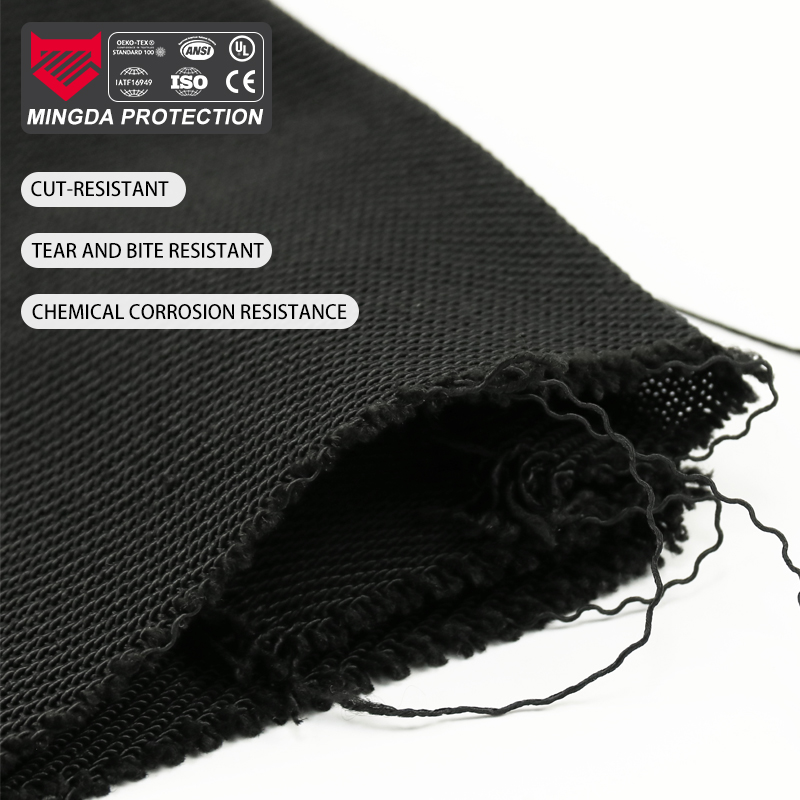
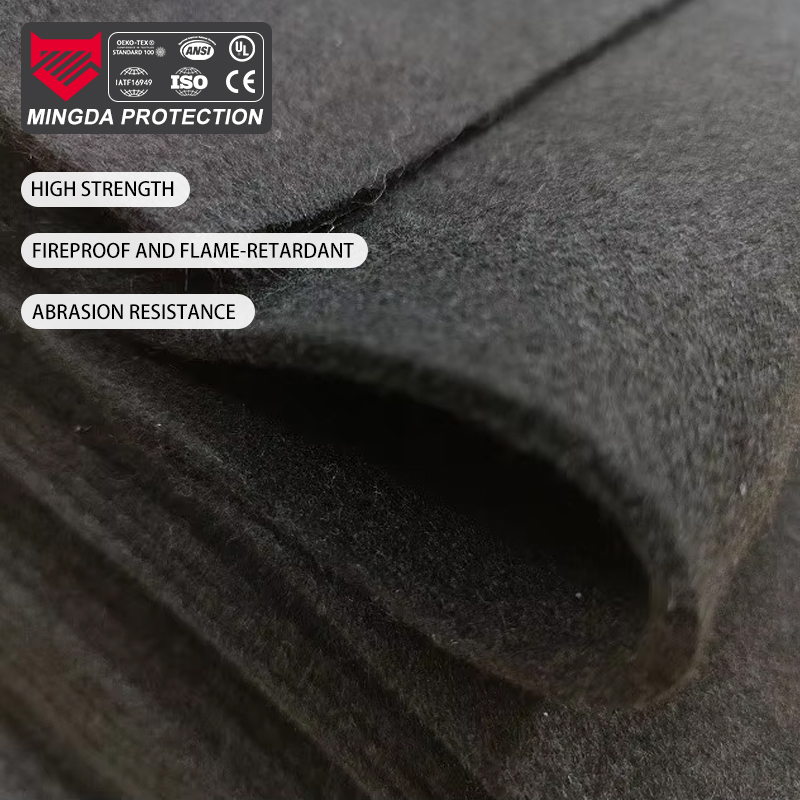
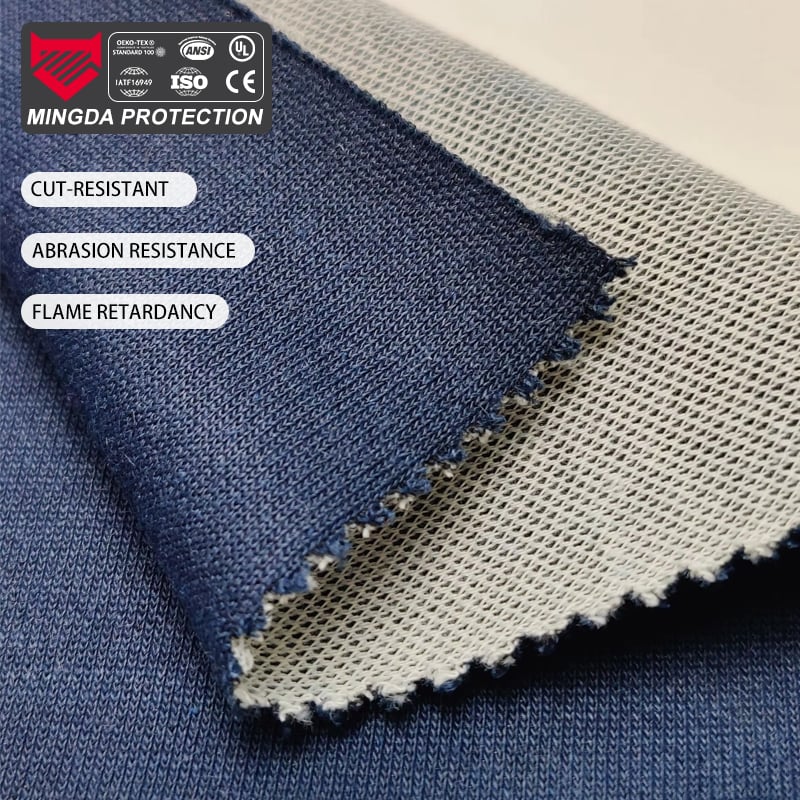
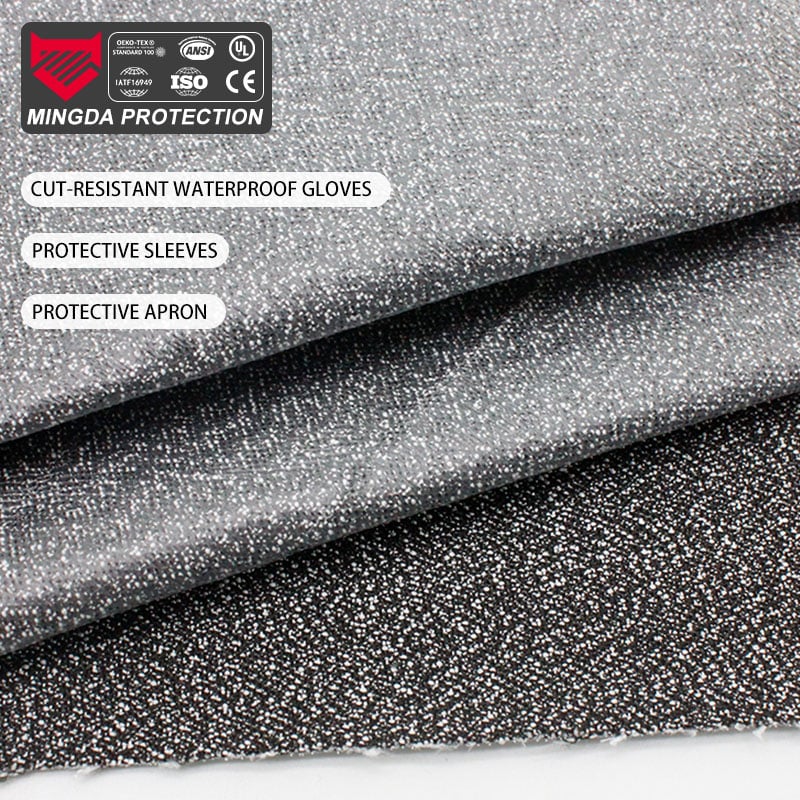
Med 40 år med teknisk arv og 30 000 m² vertikalt integrert spinn- og strikkekapasitet utvikler og produserer Mingda flammehemmende og skjærehemmende garn og stoffer i meta-aramid, para-aramid, modakryl, UHMWPE og blandingene deres – inkludert PPAN-300-20 aramidblandingstoffet og tilsvarende meta-aramid FR-sytråder. Vi støtter kundespesifikke utviklingsprosjekter med gratis prøver og små prøvebestillinger, og vi leverer testdokumentasjon i samsvar med NFPA 2112 / EN ISO 11612 for globale PPE-merker.
Trenger du hjelp til å velge riktig FR-stoff til ditt program? Ta kontakt med oss for prøver og teknisk rådgivning.

 EN
EN



 Siste nytt