 ×
×
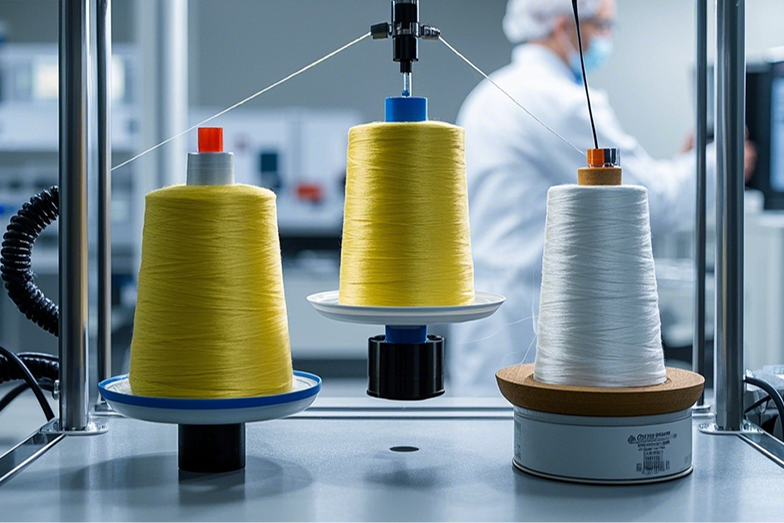
Direct answer: There is no single safe wash count for flame retardant (FR) fabric. It depends on how the protection was created. Inherently FR fabrics — made from aramid, modacrylic or UHMWPE fibers — keep their flame resistance for the life of the garment, surviving 50+ industrial launderings without losing performance. Treated fabrics such as FR cotton rely on a chemical finish that gradually washes away, giving a typical certified service life of about 12–16 months. Wash them correctly, and you extend that life; wash them wrong, and you shorten it.
The Short Answer
Inherent FR (aramid, modacrylic, UHMWPE): no fixed wash limit. The flame resistance is a property of the fiber molecule itself and cannot be washed out, worn off or faded.
Treated FR (FR cotton, FR cotton/nylon): protection degrades with every wash. Industry experience puts 100% FR cotton at roughly 12–16 months of active use, and 88/12 cotton/nylon blends at 18–30 months. Treatment certifications are typically valid for about one year.
The real variable is care: correct laundering extends service life; chlorine bleach, fabric softener, starch and excessive heat accelerate degradation — especially on treated fabrics.
The table below summarizes the options buyers compare most often.
|
Fabric type |
How FR works |
Typical service life |
Effect of washing |
|
Treated 100% FR cotton |
Chemical finish applied to the fabric |
~12–16 months (industry experience) |
Finish wears off with each wash; re-certify regularly |
|
Treated cotton/nylon (88/12) |
Chemical finish + nylon reinforcement |
~18–30 months |
Same mechanism, slower degradation |
|
Inherent aramid (meta/para) |
Fiber itself is FR (high LOI) |
Years — no fixed limit; >50 washes in published studies |
No effect — protection cannot be washed out |
|
Inherent modacrylic blends |
Fiber itself is FR, often blended with aramid/cotton |
Years — no fixed limit |
No effect on FR properties |
Sources: Lapco FR wash-expectancy data; Tyndale FR care guidance; NFPA 2112 requirements; peer-reviewed durability studies (PMC).
Why Inherent FR Never “Washes Out”
Flame resistance is measured by the Limiting Oxygen Index (LOI) — the minimum oxygen concentration needed to sustain burning. Air contains about 21% oxygen. Treated cotton sits near that threshold, which is why its finish matters so much. Inherent FR fibers have LOI values around 28–32, so in normal air they simply cannot support a flame, no matter how many times they are washed.
In aramid, modacrylic or UHMWPE yarn, the flame-retardant chemistry is part of the polymer chain — it is not a coating on the fiber. Detergents, water, heat and friction cannot remove something that is part of the fiber’s structure. Treated fabrics are the opposite: the chemistry sits on or inside the fiber and is slowly hydrolyzed and stripped away by repeated laundering.
Practical consequence: if your application involves frequent washing, high heat, or long garment service cycles (welding, utilities, oil & gas, firefighting support roles), inherent FR fabric has a fundamentally lower total cost of ownership — the protection simply never needs re-certifying due to wash-out.
How to Wash FR Workwear Correctly
Wash FR garments separately. Never mix with non-FR clothing — lint and chemical residue can transfer and contaminate the protection.
Use warm water, max 60°C (140°F). Hotter water accelerates finish loss on treated fabrics and can cause shrinkage.
Use a standard liquid detergent. No chlorine bleach, no fabric softener, no starch — all three can degrade FR chemistry or mask it.
Pre-treat heavy oil and grease stains. Oil contamination on FR fabric is itself a fire hazard; clean it before washing.
Wash inside out. Protects the fabric face from abrasion and extends appearance life.
Avoid very hot drying and high-heat ironing. Moderate tumble dry or line dry is safest.
Follow the label. Certified garments (NFPA 2112, EN ISO 11612) carry specific care instructions — deviations can void certification.
When to Retire FR Garments
Visible damage: holes, tears, worn-thin areas, broken seams.
Unremovable contamination: oil, chemicals or soot that cannot be laundered out.
Treated fabrics past their certification cycle or past the label’s stated service life.
Shrinkage or seam failure that affects fit and coverage.
After any real incident: garments exposed to a flash fire or arc flash event should be replaced, regardless of appearance.
Buying Advice: Lower Total Cost with Inherent FR
Upfront price is only half the story. A treated FR garment bought for less may need replacement every 12–16 months, while an inherent FR garment can run for years. Divide the purchase price by months of service — and add re-certification, downtime and replacement logistics — and inherent FR fabrics (aramid, modacrylic blends) often come out ahead for industrial programs with regular laundering.
Three details buyers often miss:
Check the sewing thread. Seams are the weakest point in any FR garment. Non-FR thread melts and fails first; specify meta-aramid FR sewing thread for full protection.
Ask for test reports. Vertical flame (ASTM D6413), heat & thermal shrinkage (ISO 17493), and manikin testing (ASTM F1930 / NFPA 2112) should be available from the mill.
Verify it is truly inherent. If the FR chemistry can be washed out, it is treated. Ask the supplier directly: “Is this fabric inherently flame resistant?”
Frequently Asked Questions
Q1: Can I wash flame retardant fabric in a normal washing machine?
Yes. Use warm water (max 60°C / 140°F) and a standard liquid detergent. Never use chlorine bleach, fabric softener or starch, and wash FR garments separately from non-FR items.
Q2: Does fabric softener ruin FR protection?
It can, especially on treated fabrics. Softener residues can interfere with the FR chemistry and, on some treated fabrics, may even be flammable. For inherent FR fabrics the fiber protection stays intact, but softener still reduces breathability and wicking — skip it.
Q3: How do I know if the FR protection is still working?
For treated fabrics, follow the certification period and label service life, and re-certify when due. For inherent fabrics, the chemistry remains, but you must inspect for physical damage and contamination. The definitive check is laboratory testing, e.g. the vertical flame test (ASTM D6413).
Q4: Is aramid fabric worth the higher price?
For programs with frequent washing or long service cycles — yes. The protection is permanent, the garment lasts for years, and the total cost per month of service is usually lower than replacing treated garments every year.
About Shantou Mingda Textile Co., Ltd
With 40 years of technical heritage and 30,000 m² of vertically integrated spinning and knitting capacity, Mingda develops and manufactures flame-retardant and cut-resistant yarns and fabrics in meta-aramid, para-aramid, modacrylic, UHMWPE and their blends — including the PPAN-300-20 aramid blend fabric and matching meta-aramid FR sewing threads. We support make-to-order development with free samples and small trial orders, and we provide NFPA 2112 / EN ISO 11612 oriented test documentation for global PPE brands.
Need help selecting the right FR fabric for your program? Contact us for samples and technical consultation.

 EN
EN



 Hot News