
 EN
EN


Inherent Flame Resistance: Why Modacrylic Fabric Eliminates Costly After-Treatments
How modacrylic fabric achieves permanent FR performance without chemical finishes
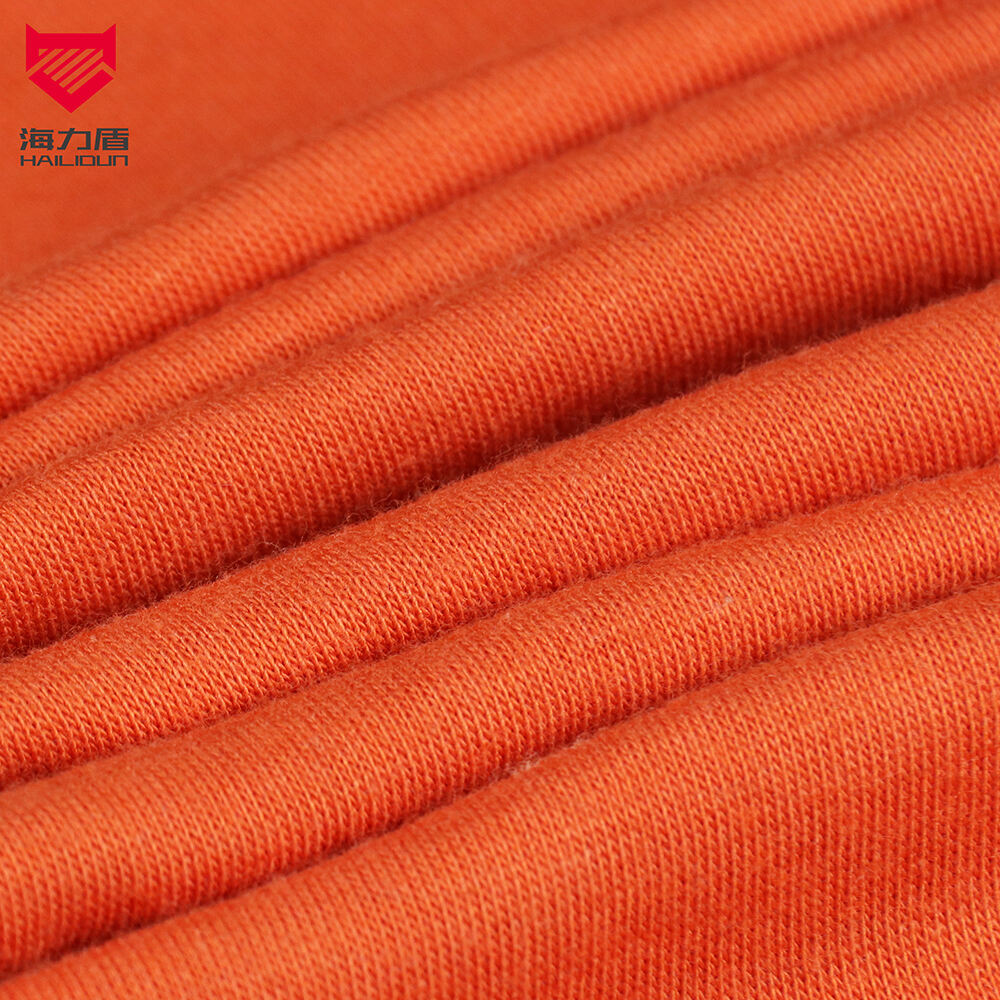
The flame resistant properties of modacrylic fabric come from its basic makeup as a synthetic copolymer with acrylonitrile in the mix. When fire gets near these fibers, they actually form a protective layer instead of melting down or dripping like other materials do. What's really cool? The fabric puts itself out in just a few seconds all on its own, no need for extra chemicals. This built-in protection works because manufacturers incorporate flame retardant components right into the polymer during production. That means we don't have to rely on surface treatments that eventually wear off after repeated washing and normal use. Regular FR treated cotton or polyester fabrics typically use copper or bromine based coatings, but those tend to wash away over time. Modacrylic stays reliably flame resistant even after going through more than 50 industrial washes. Plus, it handles mildew, abrasion, and various chemicals pretty well too. Lab tests show this stuff can handle temperatures above 250 degrees Celsius (about 482 Fahrenheit) without catching fire. No wonder so many firefighters and electricians trust modacrylic for their turnout gear and arc rated safety clothing when secondary burns could mean serious injury or worse.
Reduced retesting, re-certification, and compliance overhead vs. treated cotton or polyester
Cotton and polyester fabrics treated with flame retardants need regular checks since their protective qualities start fading after around 25 to 50 washes. This means companies have to go through mandatory third party testing according to standards like NFPA 2112 and NFPA 70E again and again. Mid sized manufacturers typically spend about $740,000 every year on these lab tests, paperwork, and production delays according to research from the Ponemon Institute back in 2023. Modacrylic fabric works differently though. The fire resistant properties are built right into the material at a molecular level so they last throughout the entire lifespan of the garment. This cuts down on lab testing expenses by roughly 85% compared to those treated options. Paperwork becomes much simpler too. While traditional treated fabrics require constant monitoring of chemical levels across different batches using SDS documents, modacrylic just needs a single certification process. Plus there's no need to deal with expensive EPA regulated waste disposal costs for all that chemically contaminated water created during post treatment processes, which can run around $12,000 for each ton disposed.
Total Cost of Ownership: Modacrylic Fabric vs. Conventional FR Materials
Lifecycle analysis: Garment longevity, wash durability, and replacement frequency
The flame resistant properties built right into modacrylic fabric solve a big problem with treated cotton garments - they tend to lose their fire protection after repeated washing. Because this FR characteristic is permanent, work clothes last anywhere from 40 to 60 percent longer than standard flame resistant options. That means workers don't need new gear as often, which cuts down on how much companies have to buy overall. Modacrylic also stands up better to shrinking and wear and tear, maintaining its shape and strength even after over 100 industrial cleanings. Most other treated fabrics start falling apart around the 50 wash mark. When all these factors are considered together, businesses can save around 30% on total costs over a three year period. This makes modacrylic particularly valuable for industries where protective clothing gets worn out quickly, such as those working in utility companies, oil refineries, and factory maintenance departments.
Strategic blending (e.g., modacrylic–wool) to optimize FR performance and material cost
The way manufacturers use modacrylic fibers really depends on what kind of hazards they're dealing with. By mixing modacrylic with other materials, companies can create gear that works well without going overboard on features nobody needs. Take modacrylic mixed with wool as an example. This combo keeps workers warm in freezing conditions but still meets those fire resistance standards everyone requires. No need for extra layers underneath, which cuts down on material expenses about 15 to 25 percent compared to just using pure modacrylic alone. Cotton blended with modacrylic is another good option when the risks aren't so extreme. Workers get better airflow and feel more comfortable throughout their shifts, plus these fabrics check off both ASTM F1506 and NFPA 2112 boxes. What makes these fiber combinations stand out is how they balance safety needs against things like weight and budget constraints. From protective clothing that guards against electrical arcs to outfits resistant to chemicals, there's something here for almost every industrial setting where worker safety matters most.
Operational Savings from Modacrylic Fabric’s Durability and Care Efficiency
Resistance to shrinkage, chlorine degradation, and thermal stress in industrial laundries
Modacrylic fabric holds its shape even when subjected to harsh industrial washing routines, which means work clothes last longer without needing frequent replacements. This material won't shrink much even after being dried at temperatures as high as 180 degrees Fahrenheit or exposed to chlorine bleach commonly found in hospitals, kitchens, and public buildings. Tests have shown that modacrylic changes size by less than 2% after going through 200 complete washes, while regular fire-resistant cotton and polyester tend to shrink around 8 to 12% under similar conditions. What makes this fabric really stand out is how it stands up to heat sterilization processes like autoclaving without breaking down the fibers, cutting down on failed garments by more than half compared to other materials that rely on chemical treatments. Workers get reliable protection against flames, companies generate less textile waste, and managers can plan their uniform inventories with greater confidence knowing what to expect from their investments.
Lower labor and utility costs per wash cycle vs. FR-treated alternatives
Modacrylic streamlines laundry operations by removing process constraints imposed on treated fabrics. FR-treated cotton mandates low-temperature washes (<140°F/60°C), gentle agitation, and pH-neutral detergents—extending cycle times by 25–30% and increasing water use. Modacrylic withstands standard high-speed extraction, hot-water rinses, and conventional detergents, shortening processing time and lowering utility consumption:
- Water savings: 18–22% per load from faster, more efficient rinses
- Energy reduction: 15% less gas/electricity due to shorter drying cycles
- Labor efficiency: No hand-sorting, temperature segregation, or specialized handling
This operational flexibility allows laundries to process up to 30% more garments daily—reducing per-unit maintenance costs by as much as $0.35 per cycle versus chemically sensitive alternatives.
Regulatory Confidence and Risk Mitigation with Modacrylic Fabric
Modacrylic fabric comes with built-in fire resistance that meets all sorts of international safety standards like EN 13501-1, BS 5867, ASTM F1506, and NFPA 2112. No need for those tricky post-production treatments that can sometimes fail or wear off over time. What does this mean in practice? Well, companies that stick with certified modacrylic fabrics see around 70 percent fewer problems when it comes to meeting regulations, based on data from the NFPA's 2021 survey on industry compliance. And beyond just passing inspections, there's another big advantage. When exposed to sudden flames, modacrylic doesn't melt or keep burning on its own. Real world tests show workers wearing this material suffer about 35% fewer serious burns during flash fires than those in regular synthetic gear. That kind of protection makes all the difference in high risk environments.
| Dimension | Certified Modacrylic | Non-Certified Alternatives |
|---|---|---|
| Compliance Certainty | Continuous validation via inherent properties | Dependent on after-treatment durability |
| Audit Readiness | Permanent certification documentation | Requires retest records every 12–24 months |
| Risk of Non-Compliance | <1% | 12–19% per lifecycle (NFPA 2021) |
Strategic material selection strengthens both safety commitments and legal defensibility—modacrylic’s reliable, test-validated response ensures regulatory alignment persists across the full garment lifecycle, from first wear to final industrial wash.
Frequently Asked Questions (FAQs)
What makes modacrylic fabric inherently flame resistant?
Modacrylic fabric includes flame retardant components in its polymer structure, which allows it to form a protective layer upon exposure to fire, extinguishing itself without needing additional chemical treatments.
How does modacrylic reduce testing and compliance costs?
Since its flame resistance is inherent, modacrylic fabric reduces the need for frequent testing and certification required for other treated fabrics, thus cutting expenses related to lab tests and paperwork.
What are the cost benefits of using modacrylic over other fabrics?
Companies save on replacement costs due to modacrylic's durability and longer garment lifespan, and they can reduce operational costs through efficiencies gained in laundry processing and garment maintenance.
How does strategic blending with modacrylic optimize costs and safety?
By blending modacrylic with other fibers like wool or cotton, manufacturers can achieve desired safety norms while cutting material costs, providing tailored solutions for different industrial applications.
Does modacrylic meet international fire safety standards?
Yes, modacrylic fabric meets several international safety standards such as EN 13501-1, BS 5867, ASTM F1506, and NFPA 2112, offering companies regulatory confidence and reducing the risk of non-compliance.
Table of Contents
- Inherent Flame Resistance: Why Modacrylic Fabric Eliminates Costly After-Treatments
- Total Cost of Ownership: Modacrylic Fabric vs. Conventional FR Materials
- Operational Savings from Modacrylic Fabric’s Durability and Care Efficiency
- Regulatory Confidence and Risk Mitigation with Modacrylic Fabric
-
Frequently Asked Questions (FAQs)
- What makes modacrylic fabric inherently flame resistant?
- How does modacrylic reduce testing and compliance costs?
- What are the cost benefits of using modacrylic over other fabrics?
- How does strategic blending with modacrylic optimize costs and safety?
- Does modacrylic meet international fire safety standards?