
 EN
EN



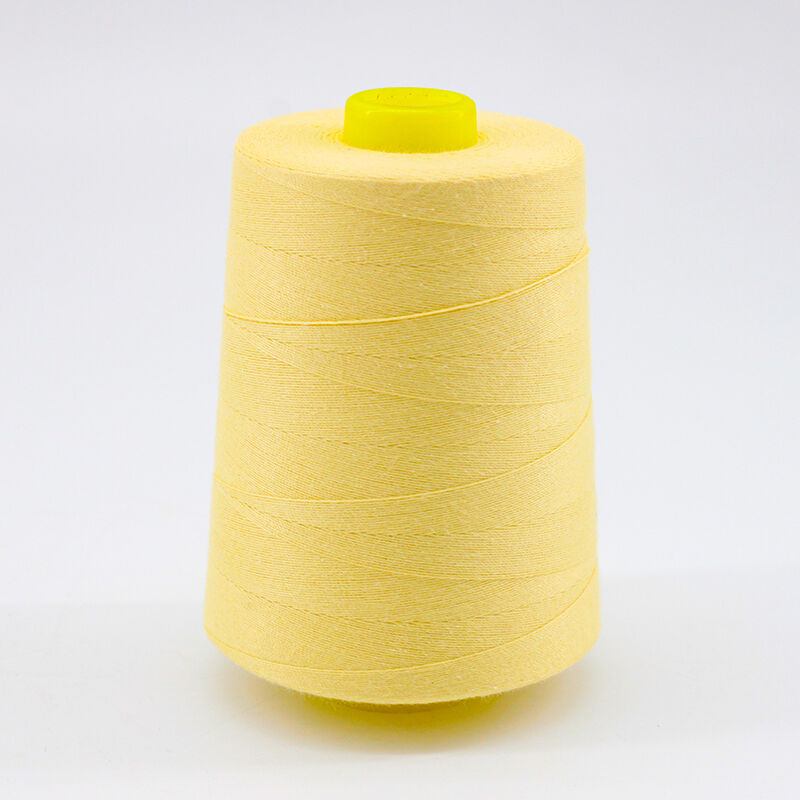
Aramid Yarn Explained: Chemistry, Structure, and Core Identity
Molecular Foundation: Aromatic Polyamide Bonds and Rigid-Chain Architecture
Aramid yarn gets its special properties from synthetic polyamide chains where at least 85% of those amide bonds (-CO-NH-) are attached to two aromatic benzene rings. This is actually required by the US Federal Trade Commission if something wants to be officially called aramid. What this means on a molecular level is that we get these really stiff, rod-shaped polymer chains that line up nicely along their axis. And this explains why aramid has such an amazing strength to weight ratio it's about 5 to 6 times stronger than steel but only weighs around 20% as much. Plus, because of how these molecules are arranged, aramid stands up pretty well against organic solvents and won't start breaking down until temperatures reach around 500 degrees Celsius or 932 Fahrenheit.
Meta- vs. Para-Aramid: How Bond Orientation Defines Performance Class
Performance distinctions arise from the positional isomerism of amide bonds on the aromatic ring:
| Configuration | Bond Position | Molecular Structure | Primary Attributes |
|---|---|---|---|
| Meta-aramid | 1,3-substitution | Angled chains | Superior heat resistance (>560°C non-melting), chemical stability, flexibility |
| Para-aramid | 1,4-substitution | Linear chains | Higher tensile strength, minimal creep under sustained load |
Para-aramidâs linearity delivers ~40% greater tensile performanceâcritical for ballistic and cut-resistant applicationsâwhile meta-aramidâs kinked conformation enhances thermal insulation and drape in flame-resistant apparel. Both exhibit low elongation (~3.5%) but share inherent limitations: UV sensitivity and relatively poor compressive strength compared to isotropic reinforcements like carbon fiber.
Critical Performance Properties of Aramid Yarn
Mechanical Excellence: Ultra-High Tensile Strength and Minimal Creep
Aramid yarn has about 5 to 8 times the tensile strength of steel when comparing equal weights, primarily because of its rigid chain structure and those really strong hydrogen bonds between molecules. This material doesn't deform permanently even after being stressed for long periods, something regular materials like nylon or polyester just can't handle. We see almost no creep over time which makes aramid perfect for things like reinforcing structures, building suspension cables, or creating laminates that need to absorb impacts while maintaining their shape. For applications where dimensions absolutely must stay consistent, aramid remains the go to choice across many industrial sectors.
Thermal & Flame Resistance: Non-Melting Behavior, LOI > 29%, and Chemical Stability
Unlike regular materials, aramid yarn doesn't actually melt when exposed to heat. Instead, it starts to char at around 500 degrees Celsius but still holds together structurally. The material's LOI rating is over 29 percent, which means fires won't keep burning unless there's almost double the normal amount of oxygen present in the air (atmospheric oxygen is only about 21%). What makes this stuff so special is how resistant it stays against both flames and chemicals. Workers rely on aramid fibers for protection suits in fire departments, safety equipment around chemical plants, and even in filters designed to handle extreme temperatures where other materials would simply fail.
Operational Trade-Offs: UV Degradation Sensitivity and Low Compressive Strength
When exposed to UV light for extended periods, aramid yarn starts to break down quite a bit. Fibers that aren't stabilized against UV damage can actually lose anywhere from 30 to 50 percent of their tensile strength each year when left outside. The material's directional stiffness creates another problem too. When compressed sideways, aramid fibers tend to buckle or split apart instead of bending back into shape like most materials would. Industry professionals typically address these issues in several ways. They apply special UV resistant coatings to protect the fibers, mix aramid with other materials such as carbon fibers to create stronger hybrids, and carefully position the yarns inside composite structures. Importantly, nobody ever relies solely on aramid for components that need to handle heavy compression forces alone.
Major Aramid Yarn Types and Their Commercial Profiles
The aramid yarn market mainly consists of two different chemical types: para-aramid and meta-aramid, each designed for specific performance needs. Para-aramid has this straight chain structure that gives it incredible tensile strength and stops bullets effectively, which is why we see it used so much in body armor and those really strong ropes used in rescue operations. On the other side of things, meta-aramid has an angled molecular structure that makes it great at handling heat, resisting flames, and feeling good when woven into fabric. Firefighters rely on this material for their protective clothing because it can withstand extreme temperatures, and electricians wear it too when working around dangerous arcs and sparks. These properties make meta-aramid the go-to choice for many safety applications where heat resistance matters most.
These materials come in three main forms on the market right now. First there's continuous filament which gives stuff extra strength and reinforcement properties. Then we have spun staple fibers that make fabrics softer and work better when mixed with other materials for protective clothing. The third option is stretch broken hybrids that help manufacturers process things easier without losing what makes these materials special. Looking at sales figures, para aramid takes about 60 percent of the global market share mainly because defense contractors and aerospace companies keep buying it up. Meanwhile meta aramid dominates the heat resistant gear sector since it bends better than competitors, insulates against extreme temperatures, and actually costs less per yard when woven into blends compared to other options out there.
| Property | Para-Aramid Yarn | Meta-Aramid Yarn |
|---|---|---|
| Primary Strength | Tensile/ballistic | Thermal/flammability |
| Key Limitation | UV degradation | Lower tenacity |
| Commercial Forms | Filament, woven fabric | Staple fiber, yarn |
| Cost Efficiency | Higher for heavy deniers | Lower for blended textiles |
Key Industrial Applications of Aramid Yarn
Ballistics and Protective Armor: Body Armor, Helmets, and Vehicle Reinforcement
Aramid yarn is basically what makes modern soft body armor work. When manufacturers layer these tightly woven fabrics together, they create something that can actually absorb and spread out the force from bullets and shrapnel. What's really impressive about this material? It has incredible strength for its weight, about three times stronger than steel when compared pound for pound. This means people wearing this kind of protection suffer significantly less injury from impacts, sometimes cutting down on trauma by over 40% compared to older materials. The military also uses aramid in their helmets because it stops both direct hits and blasts without making the gear too heavy to wear comfortably. For vehicles, adding panels reinforced with aramid helps protect doors, hatches, and even the main body of armored cars against roadside bombs and gunfire. Soldiers inside stay safer while still being able to move around freely and carry all their equipment.
Flame-Resistant PPE and Safety Textiles: Gloves, Workwear, and Rescue Ropes
Aramid yarn has become the go to material for fire resistant personal protective equipment because it just doesn't catch fire easily. With a limiting oxygen index above 29, these fibers won't melt, drip, or shrink when exposed to intense heat from flash fires or electrical arcs. Firefighters rely on gloves made with aramid weave structures since they effectively block both conductive and radiant heat sources. Studies show this protection cuts down on burn injuries by around 60% during actual firefighting operations. For industrial workers facing hazards like molten metal splashes or arc flashes, manufacturers often blend aramid with materials such as modacrylic or flame resistant cotton fabrics. These combinations meet important safety standards including NFPA 2112 and ASTM F1506 requirements. When it comes to rescue operations, aramid based ropes stay strong even at temperatures that would destroy nylon counterparts completely. This makes all the difference in life saving situations where equipment failure isn't an option.
Engineering Infrastructure: Hose Braiding, Geotextiles, and Composite Reinforcement
Braided aramid sleeves are commonly used to reinforce those high pressure hoses in hydraulic systems. These sleeves can handle burst pressures as high as 6000 psi, which makes them ideal for tough environments like mines, oil fields, and even aerospace applications where failure isn't an option. When it comes to geotextiles, adding aramid fibers really helps stabilize slopes that are prone to erosion and also works great for landfill liners. The stuff lasts about five times longer than regular polyester materials when exposed to all sorts of harsh conditions including UV rays, moisture, and various chemicals. Aramid epoxy laminates have become quite popular as composite reinforcements too. They're making their way into wind turbine blades, bridge decks, and marine structures. The benefits? About 30 percent better strength to weight ratio compared to fiberglass and significantly better resistance to fatigue over time. Many engineers prefer these materials because they just plain work better in demanding applications.
While UV degradation necessitates protective finishes in outdoor applications, aramidâs unique balance of strength, heat resistance, and process adaptability sustains robust market expansionâprojected to reach $7.6B globally by 2028.
FAQ
What is aramid yarn made of?
Aramid yarn is made from synthetic polyamide chains with at least 85% of the amide bonds (-CO-NH-) attached to two aromatic benzene rings. This structure provides exceptional strength and thermal resistance.
What are the main types of aramid yarn?
The two main types are para-aramid and meta-aramid. Para-aramid offers high tensile strength while meta-aramid provides heat and flame resistance.
How is aramid yarn used in protective gear?
Aramid yarn is used to create body armor, flame-resistant clothing, and safety gloves due to its high strength-to-weight ratio and non-melting properties.
What are the limitations of aramid yarn?
Aramid yarn can degrade under UV exposure and has low compressive strength, requiring protective coatings and hybridization with other materials for some applications.