
 EN
EN



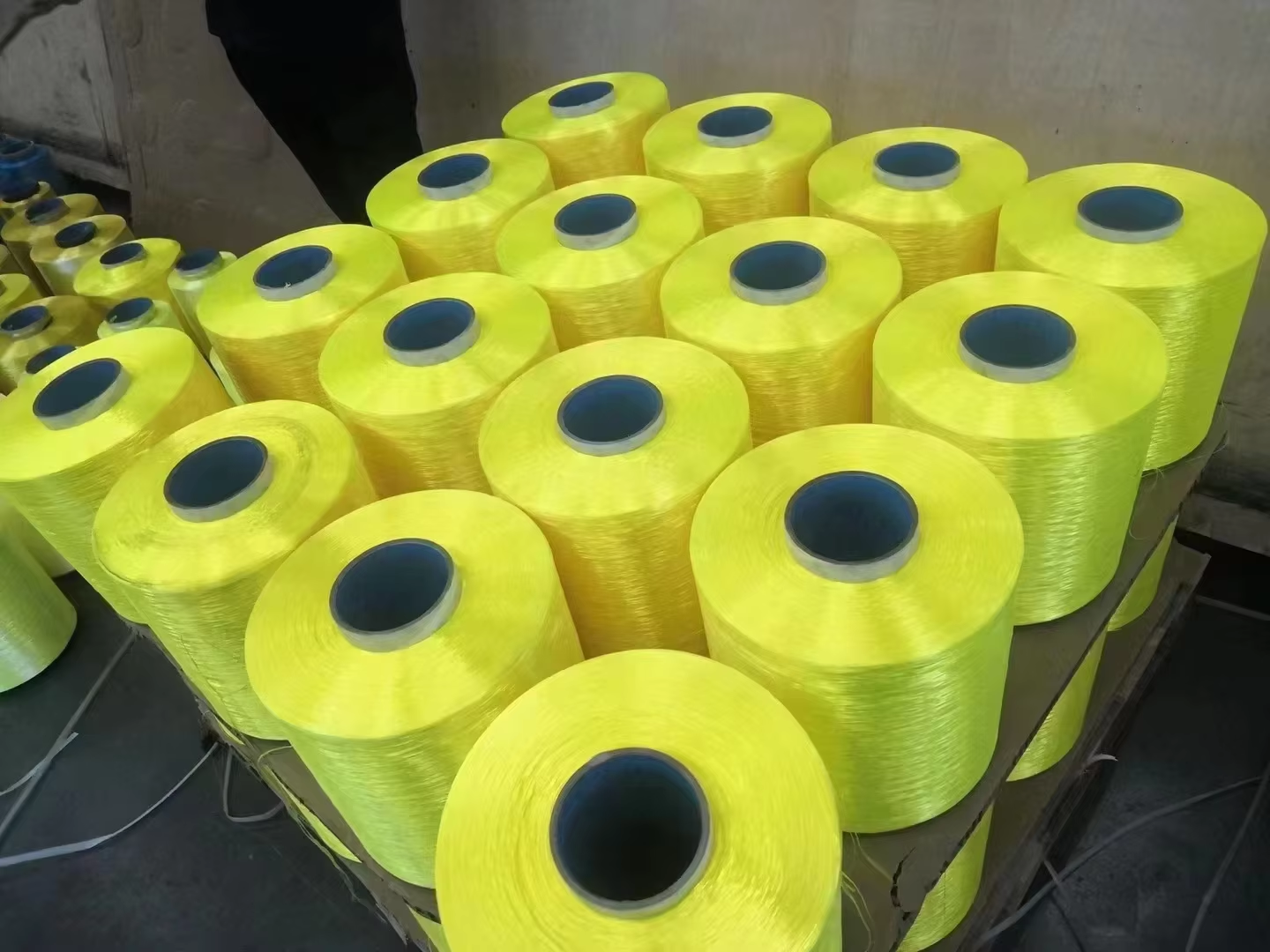
Unmatched Mechanical Protection: Aramid Yarn’s Strength, Cut, and Impact Resistance
Tensile Strength and Energy Absorption in High-Impact Scenarios
Aramid yarn has amazing tensile strength, actually about five times stronger than steel when comparing equal weights. This comes from those stiff, heat resistant polymer chains running straight and parallel to each other. When something hits the material suddenly, say during a fall or from bullets striking, the fibers take in all that kinetic energy without just snapping apart. Instead they deform in a controlled way. Tests show this can cut down the maximum force felt by someone wearing protective gear by around 40%. Labs run these tests following standard procedures outlined in things like ASTM F1327-22. At a molecular level, what happens is pretty interesting too. Under pressure, the polymer chains rearrange themselves, turning much of the impact energy into heat vibrations while keeping the whole structure intact. For anyone needing protection against serious impacts, this kind of performance really matters because...
- Ballistic vests requiring rapid energy dispersion
- Fall-protection harnesses demanding minimal elongation (<3%)
- Vehicle armor needing high penetration resistance
Its combination of strength and flexibility ensures reliable protection without restricting movement.
Cut and Abrasion Resistance Mechanisms for Industrial and Tactical Use
Aramid yarn resists cutting and abrasion through three synergistic mechanisms rooted in its dense, crystalline polymer architecture:
- Fibrillation: Surface filaments split and splay upon contact with sharp edges, blunting the cutting tool
- Lateral load distribution: Force spreads across the fabric matrix instead of concentrating at a single point
- Elastic recovery: Fibers rebound after compression, maintaining protective integrity over repeated stress cycles
The material's characteristics provide reliable protection from various dangers in industrial settings including those sharp rotating blades and flying metal pieces, plus it stands up to serious threats like knife attacks too. According to tests done under ISO 13997:2021 standards, these aramid fabrics keep about 90% of their original ability to resist cuts even after going through 500 abrasive cycles. That's pretty impressive when compared to other options reinforced with steel which tend to lose strength gradually as fibers wear down over time. Because of this lasting performance, we see these materials being used in really important situations where failure isn't an option.
- Machinery operation gloves (EN 388:2016 Class X-X-4-X)
- Law enforcement stab-resistant vests (NIJ Standard-0115.00)
- Demolition crew suits exposed to rubble and debris
The result is sustained protection without compromising dexterity or comfort.
Thermal and Flame Resistance: How Aramid Yarn Delivers Inherent Fire Safety
Non-Melting Behavior, Char Formation, and Thermal Insulation
What makes aramid yarn so special is its benzene ring structure, which gives it thermal stability that regular synthetic materials just can't match. When regular stuff like polyester or nylon meets fire, they tend to melt down, drip all over the place, and sometimes even shrink. But aramid behaves differently entirely. Instead of melting away, it actually breaks down in a controlled way called pyrolysis, creating this protective char layer that acts as insulation against heat. This layer keeps the fabric intact even after being exposed to temperatures around 300 degrees Celsius for extended periods, and can handle sudden flames reaching as high as 800 degrees according to those ASTM D6413 and ISO 15025 tests we all know about. Tests show this char barrier reduces heat penetration by roughly 70% compared to normal fabrics, giving people working in dangerous environments precious extra seconds to get out safely. And let's not forget the most important benefit: because aramid doesn't melt, there's no risk of hot material sticking to skin and causing those nasty second degree burns that happen so often with other materials.
Flame Resistance Without Chemical Treatments or Performance Degradation
What makes aramid yarn stand out is its built-in flame resistance that doesn't come from added chemicals but from the material itself. This means workers don't have to worry about their protective gear losing effectiveness after repeated washes or when exposed to sunlight. When the fire goes out, so does the fabric's burning. No lingering glow or smoldering remains. Tests by independent labs (think UL 94 V-0 standards and NFPA 2112 requirements) show something remarkable: even after over fifty industrial wash cycles, the flame resistance stays intact. The material also holds up against UV damage and maintains its strength and cut resistance even after being subjected to intense heat. Unlike regular cotton or modacrylic fabrics that lose their treatment over time, aramid doesn't wash away its protective qualities. Plus, it won't release harmful gases like hydrogen cyanide or dioxins when burned. For companies looking at long term costs and worker safety, this kind of lasting protection makes all the difference. That's why so many industries now consider aramid the gold standard for serious fire protection needs.
Real-World Safety Performance of Aramid Yarn Across Critical Occupations
Validated Efficacy in Firefighting, Military Ballistic Gear, and Motorsports
The lifesaving capabilities of aramid yarn have been proven time and again in professions where safety matters most. When firefighters suit up in turnout gear made with aramid fibers, they get two important protections at once. The material doesn't melt when exposed to extreme heat, forming a protective char layer around 500 degrees Celsius that shields against radiant heat. Plus, the fabric stays strong enough to keep seams intact even during building collapses. For soldiers, ballistic grade aramid like Kevlar KM2+ stops dangerous rounds such as 9mm and .44 Magnum bullets according to NIJ standards. What's impressive is how these materials maintain over 95% of their original strength after being used in real world conditions for a whole year, including exposure to moisture, salt air, and fluctuating temperatures. Racers also count on aramid's toughness to prevent serious skin damage during crashes. Racing suits certified by SFI 40.1 standards cut down on friction burns by roughly two thirds compared to older materials. Looking at actual field reports from organizations like NFPA and the US Army's research command center shows something remarkable: protective equipment containing aramid cuts critical injuries anywhere between 60 to 80 percent compared to what was available before. This improvement happens mainly because of better heat resistance, stronger tear prevention, and greater flexibility when moving dynamically.
Balancing Protection and Wearability: Addressing Flexibility, Weight, and Long-Term Durability
Good protective gear needs to keep workers safe without making them feel like they're stuck in a straitjacket. Aramid yarn does exactly that thanks to how it's engineered at the molecular level. The material's semi-crystalline nature lets it move with the body instead of against it, which means workers don't get as tired after long days on the job. Studies show this can cut down on muscle strain by around 40% according to the latest NIOSH report from 2024. Weight matters too. Today's aramid fabrics weigh under 480 grams per square meter yet still meet those tough EN 388 standards for cutting resistance. Firefighters especially appreciate this because they need full range of motion when crawling through tight spaces during emergencies. These materials last longer because they resist breaking down in water. After 200 industrial washes, these fibers hold onto about 95% of their original strength, way better than other treatments that start falling apart after just 50 to 75 washes. Companies that switched to aramid gear have seen their costs drop by about 30% over five years. They spend less money replacing damaged equipment and save time dealing with all the paperwork required for chemical treatments. What really makes a difference though is that workers actually wear their gear properly when it doesn't irritate them. When people stop wearing protection because it feels uncomfortable, accidents happen. That's why getting the balance right between safety and comfort isn't just about numbers—it saves lives.
Frequently Asked Questions
What are the main benefits of aramid yarn in protective gear?
Aramid yarn offers superior tensile strength, cut, and abrasion resistance, as well as inherent thermal and flame resistance, without compromising flexibility or comfort.
Is aramid yarn stronger than steel?
Yes, aramid yarn is about five times stronger than steel when comparing equal weights.
How does aramid yarn perform under heat exposure?
Aramid yarn does not melt; instead, it forms a protective char layer that acts as insulation against heat, performing exceptionally well under high-temperature exposure.
Does aramid yarn require chemical treatments for flame resistance?
No, aramid yarn's flame resistance is inherent and does not rely on chemical treatments, maintaining its effectiveness even after repeated washes.
In which industries is aramid yarn commonly used?
Aramid yarn is widely used in industries like firefighting, law enforcement, military, motorsports, and industrial manufacturing, where safety and durability are paramount.
Table of Contents
- Unmatched Mechanical Protection: Aramid Yarn’s Strength, Cut, and Impact Resistance
- Thermal and Flame Resistance: How Aramid Yarn Delivers Inherent Fire Safety
- Real-World Safety Performance of Aramid Yarn Across Critical Occupations
- Balancing Protection and Wearability: Addressing Flexibility, Weight, and Long-Term Durability
- Frequently Asked Questions