
 EN
EN


Why Aramid Yarn Is Uniquely Suited for Thermal and Flame Protection
Inherent flame resistance: carbonization without melting or dripping, LOI >28%, decomposition above 400°C
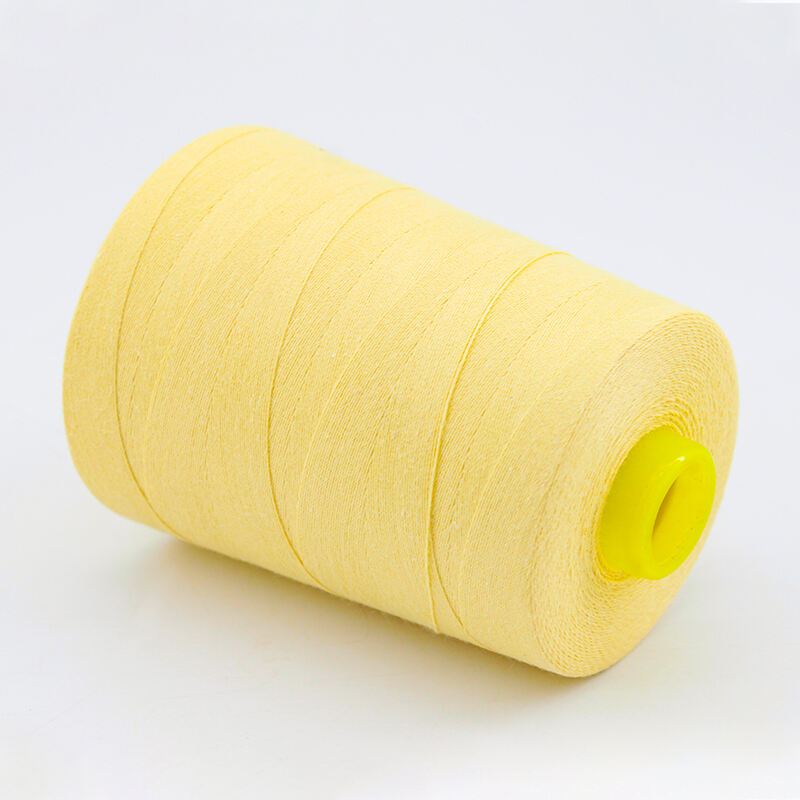
The unique aromatic polymer structure of aramid yarn gives it natural fire resistance without needing any additives. When subjected to intense heat, the material forms a protective char layer instead of melting or dripping away. This creates insulation against further damage and helps keep clothing intact during sudden flash fires. Aramid has an impressive Limiting Oxygen Index over 28%, meaning it actually puts itself out when exposed to normal air conditions (which contain around 21% oxygen). Cotton by comparison has an LOI of about 18%, making aramid much better at resisting flames than untreated fabrics or even some chemically treated synthetics. The fabric starts breaking down thermally only above 400 degrees Celsius, so it maintains its strength and shape long enough for someone to get to safety. Real world tests show these materials can handle temperatures above 500 degrees for roughly 10 to 15 seconds before failing completely, which is crucial time in emergency situations.
Meta vs. para aramid yarn: Nomex® for thermal insulation versus Kevlar® for tensile strength and arc flash resistance
Meta aramid fibers, like the famous Nomex from DuPont, have molecules that twist and turn instead of lining up straight. This creates a packed but messy arrangement inside the material. What does this mean? These fibers conduct very little heat (around 0.04 to 0.08 watts per meter Kelvin) and block radiant heat really well. That's why we see them used so much in firefighter gear and protective clothing for foundries. On the other hand, para aramid fibers such as Kevlar have polymer chains that line up nicely. They're super strong too, with tensile strength reaching up to 3,620 mega pascals. Plus they still resist flames pretty good. When dealing with arc flashes, workers need protection against both extreme temperatures (sometimes over 10,000 degrees Celsius!) and physical impacts from blasts or flying debris. Smart manufacturers combine these two types of fibers in their products. Typically, they put the meta aramid layer on the outside to handle the heat radiation, while using para aramid underneath to make sure the gear doesn't tear apart when someone gets caught in a dangerous situation. This mix gives workers balanced protection tailored specifically to different hazards they might encounter.
Meeting Global Standards and Real-World Hazard Demands with Aramid Yarn
Aramid yarn delivers the core performance needed to not only meet but actually surpass important global safety requirements. Think about standards like NFPA 2112 for flash fires, EN 11612 covering heat and flame protection, and IEC 61482 dealing with arc flashes. What makes aramid so effective is its natural ability to withstand heat without breaking down. The material has a high limit oxygen index (LOI) which means it resists catching fire, plus it forms protective chars when exposed to extreme temperatures. Because of these properties, there's no need for extra chemical treatments or coatings that can wear off over time. Workers stay protected throughout the entire life of their workwear, from day one until the garment gets retired.
Compliance pathways: how aramid yarn enables NFPA 2112, EN 11612, and IEC 61482 certification
The inherent characteristics of Aramid fibers meet essential testing standards right out of the box. For instance, with a Limiting Oxygen Index above 28%, the material will quickly put itself out when exposed to flames during the NFPA 2112 vertical flame test. Its ability to resist transferring heat and maintain char structure also satisfies the requirements for both radiant and convective heat protection according to EN 11612 standards. When it comes to electrical hazards, Aramid gets high marks too. The arc rating measured in ATPV and EBT values comes from how well the fabric insulates against heat while still holding together during IEC 61482 open-arc tests. What makes this really stand out though is that these protective qualities aren't just surface treatments that wash away over time. Since the performance features are actually part of the fiber structure itself, workers stay protected even after multiple washes, regular use, and exposure to various environments. Safety doesn't have to come at the expense of comfort or freedom of movement either.
Field-proven efficacy across high-risk sectors: electric utility (arc flash), foundries (radiant heat), and emergency response
Electric utility workers know that aramid based arc rated gear really works when facing those flash temperatures that can hit over 20,000 degrees Celsius. Even for just a fraction of a second, this kind of protection makes all the difference in reducing serious injuries. Foundry staff also find value in these materials since they handle continuous heat around 300 to 500 degrees every day. The material doesn't conduct much heat and stays stable, so it stops the uncomfortable feeling of heat soaking through their clothes. Firefighters count on aramid's ability to resist flames directly and form protective chars that last during long fireground operations. Some independent research actually shows about 70 percent fewer severe burns for people wearing certified aramid PPE versus regular gear or treated options when exposed to similar dangers. That statistic alone tells us why so many professionals have switched to this type of protection.
FAQs
What is the Limiting Oxygen Index (LOI) of aramid yarn, and why is it important?
Aramid yarn has a Limiting Oxygen Index (LOI) of over 28%, which is significant because it indicates the yarn's resistance to igniting. Materials with higher LOI, like aramid compared to untreated cotton, are less likely to catch fire in normal air conditions.
How do meta and para aramid fibers differ?
Meta aramid fibers, like Nomex, provide excellent thermal insulation and are used in heat-protective gear. Para aramid fibers, such as Kevlar, offer superior tensile strength and protection against physical impacts, making them ideal for resisting arc flashes.
Does aramid yarn require additional chemical treatments for flame resistance?
No, aramid yarn naturally resists flames due to its inherent properties, eliminating the need for additional chemical treatments. This ensures long-lasting flame protection, even with multiple washes and prolonged use.
In what industries is aramid yarn commonly used?
Aramid yarn is widely used in high-risk industries such as electric utilities, foundries, and emergency services. It provides vital thermal and flame protection to workers frequently exposed to extreme heat and fire hazards.