
 EN
EN



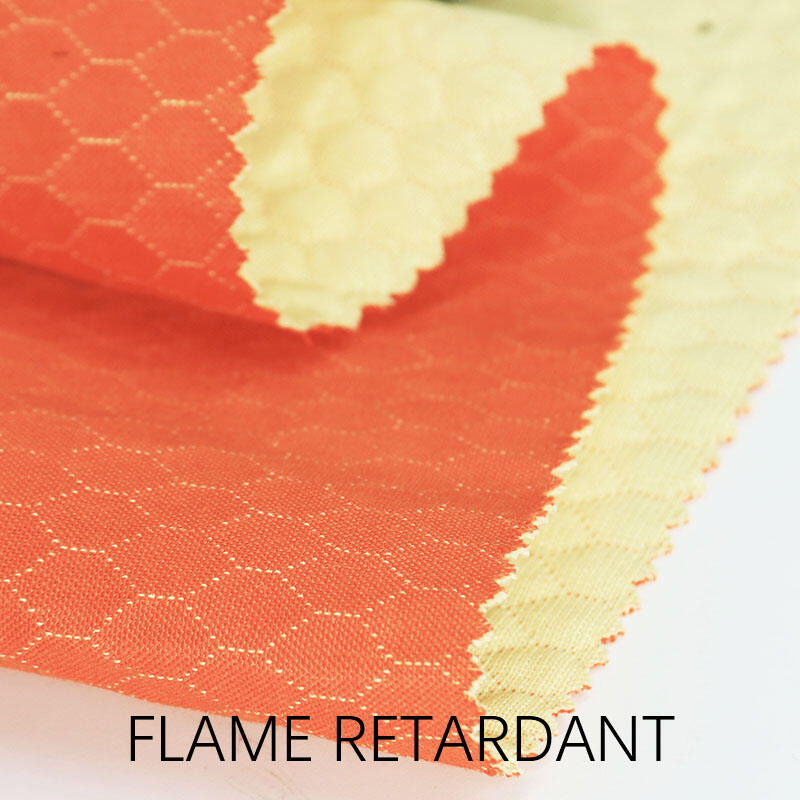
How Flame-Resistant Fabrics Work: Science, Safety Mechanisms, and Core Protective Function
Thermal insulation and char formation: slowing heat transfer to skin
Flame resistant fabrics start breaking down chemically when they get hit with intense heat, forming what's called a carbon char layer. What happens next is pretty amazing - this char becomes like a protective shield against heat, cutting down how much warmth actually reaches the skin underneath. Tests show it blocks around 90 percent of both the heat radiation and air-borne heat during fires. Regular clothes just catch fire and keep burning, but these special fabrics work differently. Their char has tiny holes that trap heat away from the body while also creating areas where there's not enough oxygen for flames to spread properly. When workers face those sudden flash fires at temperatures hitting 600 degrees Celsius, this protection makes all the difference. Studies indicate people wearing FR gear are half as likely to suffer second degree burns compared to those without proper protection. And every extra three to five seconds someone can stay safe in such emergencies often means the difference between survival and serious injury.
Self-extinguishing behavior and limiting flame spread
Flame resistant (FR) fabrics work by stopping fires at their source through special chemical properties built right into the material. When exposed to heat, the polymer chains in these fabrics start releasing gases like nitrogen and sulfur dioxide that actually put out flames by thinning out the flammable stuff in the air. Meanwhile, there are chemical reactions happening inside the fabric itself that basically eat away at what could catch fire before anything gets going. What happens next? These materials typically stop burning completely within just two seconds after the flame goes away, which meets and beats the standards set by NFPA 2112. Testing shows that when held vertically over intense heat (around 800 degrees Celsius), the flames only travel up less than 10 centimeters. This means workers wearing this gear won't get completely covered in flames during accidents. Studies on arc flashes demonstrate that people protected by FR clothing suffer about 70% less total body burns compared to those without protection, making all the difference between life and death situations.
Inherent vs. Treated FR Fabrics: Performance, Durability, and Long-Term Reliability in Protective Clothing
Molecular-level resistance vs. topical chemical treatment
FR fabrics that are inherently flame resistant have this property woven right into their polymer makeup, so the protection lasts forever no matter how much washing or wear happens. When exposed to heat, these materials create a protective char layer that actually shields whoever is wearing them from burns. Treated FR fabrics work differently though. They get special chemicals added to the fibers after production is complete. These treatments do help at first but they change the fabric itself and tend to break down with regular use. Looking at test results from 2022 shows why inherent fabrics stand out. After going through 1,000 stress tests, inherent FR fabrics kept about 94% of their original strength while treated ones only managed around 68%. That kind of difference really matters when safety is on the line.
Wash durability, abrasion resistance, and real-world service life
How well something protects over time really comes down to how it holds up in actual working conditions. With inherent FR fabrics, the protection stays strong throughout the whole life of the garment, which is usually around 18 to 24 months when used in factories and similar places. These fabrics keep doing their job even after going through over 100 rounds of industrial washing. Things are different for treated FR fabrics though. They start losing effectiveness as they get worn out. Research shows these treated fabrics can lose about 27% of their ability to wick away moisture after just 50 washes, and their flame resistance drops off significantly after only 25 industrial cleaning cycles. Most people find themselves needing to replace treated garments somewhere between 12 and 15 months. Looking at what happens in the field, especially among utility workers who wear these every day, we see inherent FR materials last about 40% longer against everyday wear and tear compared to the treated alternatives. That makes inherent fabrics much better choice for jobs where there's constant movement and higher risk involved.
Selecting the Right FR Protective Clothing: Matching Fabric Properties to Job Risk and Operational Demands
Picking out proper flame resistant clothing means matching what the fabric can do with actual dangers workers face on the job site. Start by looking at all possible hazards first. Flash fires, electrical arcs, maybe even hot metal splatter? Each situation calls for different kinds of heat protection levels. When dealing with electricity specifically, go for gear rated high in arc protection (those ATPV or EBT numbers matter). For places where fires are common, check how much the fabric chars and stays stable under heat according to NFPA 2112 standards. Don't forget about comfort factors too. Workers need clothes they can move around in, breathe through, and actually want to wear day after day. In really hot or rough conditions, fabrics that are naturally flame resistant tend to last longer than ones just treated with chemicals, though treated options might work fine if people only occasionally get exposed. Maintenance is another big factor. How often does stuff need replacing? Durable materials save money in the long run while keeping everyone safe. Taking a thoughtful approach based on real risks gives maximum protection without making folks feel like they're stuck wearing uncomfortable armor all day.
FAQ
What is the main protection mechanism of flame-resistant fabrics?
Flame-resistant fabrics primarily work by forming a protective char layer when exposed to intense heat, which minimizes thermal transfer to the skin.
How do self-extinguishing flame-resistant fabrics work?
These fabrics have chemical properties that release gases like nitrogen and sulfur dioxide when heated, effectively reducing flammable components in the air and extinguishing flames.
What is the difference between inherent and treated FR fabrics?
Inherent FR fabrics have flame-resistant properties woven into their polymer structure for long-lasting protection, while treated fabrics have chemicals applied post-production that can degrade over time.
How do FR fabrics maintain their effectiveness over time?
Inherent FR fabrics maintain their protective qualities through many washes and daily wear, while treated fabrics may lose their effectiveness due to chemical degradation with usage.
What should workers consider when selecting FR protective clothing?
Workers should consider the specific risks associated with their job, ensuring the fabric’s protection level aligns with those threats, and prioritize comfort and durability for long-term protection.
Table of Contents
- How Flame-Resistant Fabrics Work: Science, Safety Mechanisms, and Core Protective Function
- Inherent vs. Treated FR Fabrics: Performance, Durability, and Long-Term Reliability in Protective Clothing
- Selecting the Right FR Protective Clothing: Matching Fabric Properties to Job Risk and Operational Demands