
 EN
EN



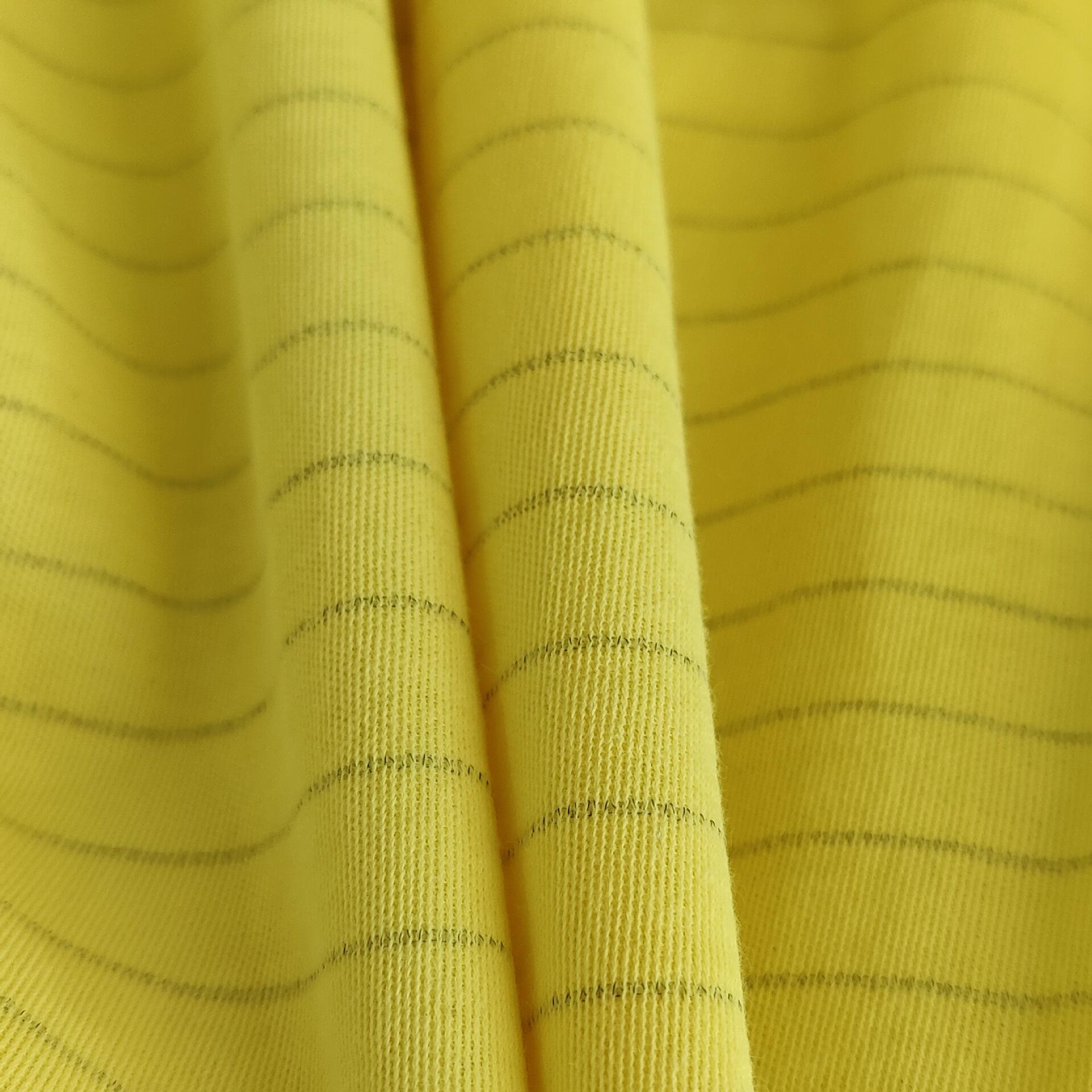
Thermal Stability and Flame Resistance of Aramid Fabric
Why Aramid Fabric Resists Ignition Up to 400°C
What makes aramid fabrics so special is how they hold up under intense heat conditions. Regular synthetic materials tend to start melting around 200 to 250 degrees Celsius, but aramid can actually handle continuous exposure to temperatures reaching 400 degrees Celsius (or about 752 Fahrenheit). When exposed to such high temps, aramid forms a protective layer of carbon almost instantly, creating insulation against further damage instead of catching fire. This remarkable property comes down to something called the aromatic backbone within its molecules. These bonds need way more energy to break apart compared to other materials like nylon. Tests conducted in real world conditions have shown that aramid maintains its fire resistant qualities for over 500 hours of heating, losing less than 12 percent of its strength according to industry standards. Pretty impressive stuff when considering what happens to most fabrics under similar stress.
Molecular Rigidity and Aromatic Structure: The Science Behind Char Formation
The flame-retardant mechanism arises from aramid’s crystalline polymer architecture:
- Rigid benzene rings create thermal barriers that redirect energy
-
Para-oriented amide bonds decompose endothermically above 450°C, absorbing 40% more energy than aliphatic polymers
When heated, these features trigger ladder polymerization—rearranging molecular chains into thermally stable char. This carbonized shield expands up to 2.5× its original thickness within five seconds of flame contact, reducing oxygen diffusion by 78% and eliminating melt-dripping. Pyrolysis data confirms char yield exceeds 60% at 600°C, compared to just 5–10% for polyester.
Real-World Performance: NFPA 1971-Compliant Turnout Gear in Flashover Simulations
Firefighter ensembles incorporating aramid meet or exceed National Fire Protection Association (NFPA) 1971 requirements for flashover protection—conditions exceeding 800°C. In simulated structure fires:
- Gear maintained >94% integrity after 10-second exposures (vs. 35% failure in FR-cotton blends)
- Heat transfer through 3-layer aramid assemblies measured <6.0 cal/cm²—well below the 12.5 cal/cm² threshold for second-degree burn injury
Post-test evaluations revealed minimal fiber shrinkage (<3%), compared to 15–25% in competing materials. This performance delivers a critical 15–20 minute escape window during thermal emergencies while reducing heat-stress injuries by 31%, as reported in 2023 UL FSRI field studies.
Chemical Resistance and Hydrolytic Stability of Aramid Fibers
Aramid fabric maintains structural integrity when exposed to aggressive chemicals—a critical property for industrial safety applications. Its hydrolytic stability—the ability to resist degradation in humid or wet conditions—further enhances reliability across demanding environments.
Performance After Exposure to 10% NaOH and Concentrated HCl
Lab tests reveal para-aramid retains over 85% tensile strength after 500-hour immersion in 10% sodium hydroxide (NaOH), demonstrating strong alkaline resilience. In contrast, concentrated hydrochloric acid (HCl) causes more significant deterioration, reducing strength by 30–40% due to hydrolytic cleavage of amide bonds—highlighting a key vulnerability in strongly acidic settings.
Para-Aramid vs. Meta-Aramid: Differences in Amide Bond Stability
How aromatic rings line up really affects how resistant materials are to chemicals. Para aramid has those polymer chains running parallel to each other which creates this dense crystalline structure. That basically acts as armor for the amide bonds against hydrolysis. On the flip side, meta aramid's chains are at angles, so there's more space between them. This increased porosity lets corrosive stuff get in faster. When we look at what happens over time, meta aramid ends up losing about 25% more mass compared to para aramid when exposed to different pH levels from 4 all the way up to 11. So yeah, para aramid definitely holds up better against hydrolysis overall.
FAQ Section
What temperature can aramid fabric withstand before igniting?
Aramid fabric resists ignition up to 400°C (752°F), thanks to its protective carbon layer formation.
How does aramid fabric achieve its flame resistance?
Its flame resistance is due to the aromatic backbone in the molecules, which requires more energy to break and forms stable char under heat.
Why are aramid fabrics used in firefighter gear?
Aramid fabrics meet NFPA 1971 requirements, maintaining over 94% integrity in extreme heat and offering a 15–20 minute escape window during fires.
How does aramid fabric perform against chemicals?
It retains over 85% tensile strength in alkaline environments but shows some vulnerability in strongly acidic settings like concentrated HCl exposure.
What are the differences between Para-Aramid and Meta-Aramid in terms of chemical stability?
Para-Aramid is more chemically resistant due to its dense crystalline structure, while Meta-Aramid is more porous, making it less resistant over time.
Table of Contents
- Thermal Stability and Flame Resistance of Aramid Fabric
- Chemical Resistance and Hydrolytic Stability of Aramid Fibers
-
FAQ Section
- What temperature can aramid fabric withstand before igniting?
- How does aramid fabric achieve its flame resistance?
- Why are aramid fabrics used in firefighter gear?
- How does aramid fabric perform against chemicals?
- What are the differences between Para-Aramid and Meta-Aramid in terms of chemical stability?