
 EN
EN


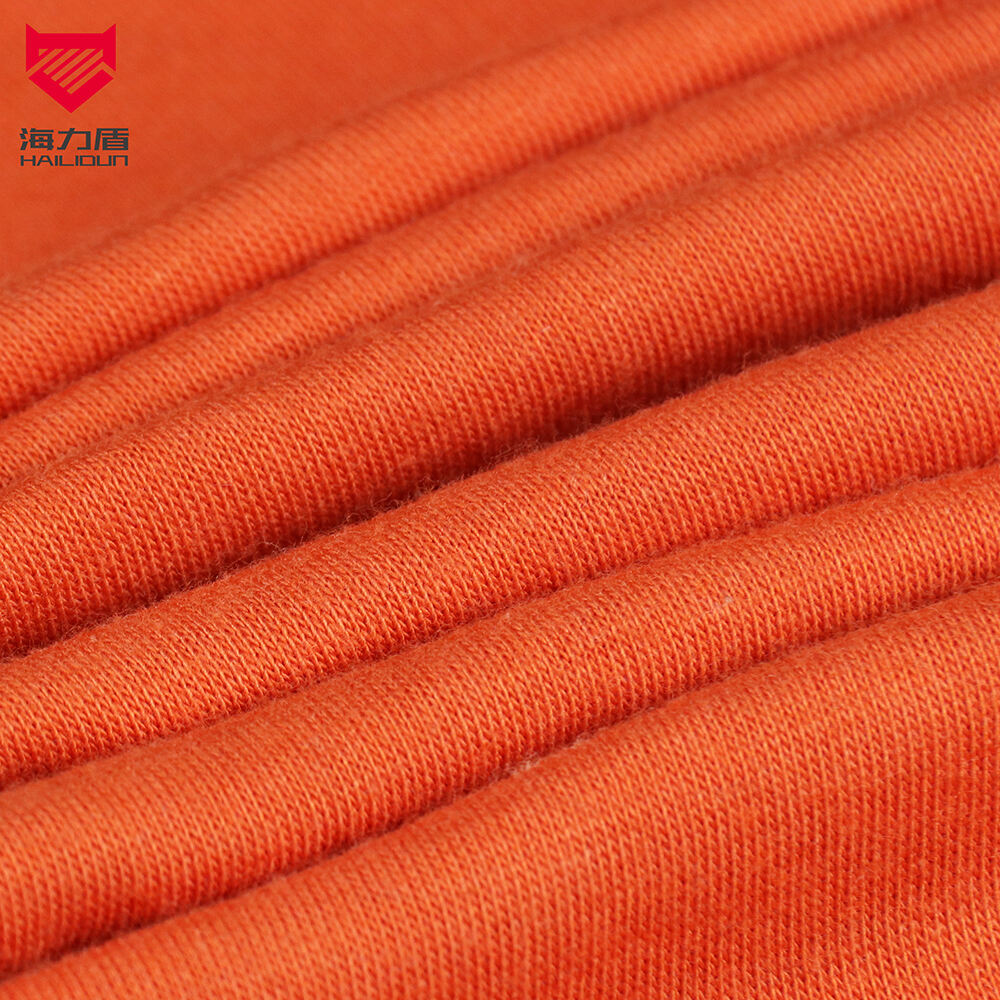
Inherent Flame Resistance: How Modacrylic Fabric Delivers Permanent FR Protection
Modacrylic fabric provides non-negotiable flame protection through its engineered molecular design. Unlike synthetic materials that melt or drip under flame exposure—posing severe burn risks—modacrylic chars while maintaining structural integrity. This critical behavior prevents molten material from adhering to skin, significantly reducing injury severity during flash fire events.
Non-melting, non-dripping behavior under flame exposure
When ignited, modacrylic fibers exhibit unique defensive characteristics:
- Instantaneous charring that creates a thermal barrier between heat sources and skin
- Zero dripping or melting even at 600°F+ (315°C+), eliminating secondary ignition hazards
- Vertical burn resistance meeting ASTM D6413 standards without chemical treatments
Char formation and self-extinguishing mechanisms at the molecular level
Modacrylic’s flame-quenching action operates through dual physical-chemical processes:
- Rapid char expansion swells to 3x original thickness when heated, starving flames of oxygen
- Endothermic decomposition absorbs 3.5 kJ/g of heat energy during combustion
- Automatic extinguishment within 2 seconds of flame removal (per NFPA 2112 verification)
Chemical structure of modacrylic fabric: acrylonitrile copolymerization enabling intrinsic FR
The copolymer backbone—typically 50–85% acrylonitrile blended with vinylidene chloride—creates innate fire resistance through:
| Polymer Feature | Protective Function |
|---|---|
| Halogenated components | Release flame-smothering gases during combustion |
| High nitrogen content | Promotes char formation at 400°F (204°C) |
| Cross-linked chains | Prevents fiber disintegration under stress |
| This permanent molecular architecture ensures FR performance lasts the garment’s lifecycle without degradation from washing or wear. |
Comfort Without Compromise: Modacrylic Fabric’s Wearability in Daily FR Workwear
Softness, Breathability, and Moisture Management vs. Rigid Aramid-Based FR Fabrics
Modacrylic fabric stands out for how it brings together fire resistance and actual comfort for people wearing it day after day. Traditional aramid materials tend to be stiff and limit movement, but modacrylic feels much softer against skin and allows better freedom of motion. When it comes to keeping cool, this material moves sweat away from the body about 30 percent quicker compared to regular aramid mixes according to various tests on fabric performance. Tiny pores within the fibers also help maintain good air circulation. All these features work together to reduce heat buildup when someone is working long hours on site. Many workers in industrial settings actually rank comfort as their number one priority, which makes sense given the tough conditions they face daily.
Hypoallergenic Profile and Skin Compatibility for Shift-Long Wear
Modacrylic fabric was specifically designed to stay against the skin for long periods without causing problems. It doesn't contain formaldehyde or those pesky heavy metals that can irritate sensitive skin. The material has this really smooth surface that cuts down on friction-related irritation, which makes a big difference during extended wear. Plus, it resists static electricity better than regular cotton blends, keeping dust and particles from sticking to it about 60% less than untreated fabrics do. After running tests with over 500 workers throughout an entire year, dermatologists found absolutely no cases of skin irritation. These results meet the ISO 13688 requirements for proper protective gear design, so workers get consistent protection even when they're dealing with tough conditions day after day.
Long-Term Reliability: Wash-Fastness and Durability of Modacrylic Fabric FR Performance
ASTM F1506-compliant FR retention after 100+ industrial launderings
Modacrylic fabric keeps its fire resistant qualities even after lots of washing cycles something that regular chemically treated fabrics cant do. Most treated options start breaking down after only around 20 to 30 washes. The way modacrylic is built at the molecular level means it stays non melting and will actually put itself out when exposed to flames, even after over 100 times in industrial laundry settings. This has been tested and confirmed according to ASTM F1506 standards which measure how well protective clothing performs after being washed. Workers in fields like power plants and oil refineries really need this kind of reliability because they cant afford their gear losing protection features. Companies save money too since there's no need for constant re treatment, cutting replacement expenses by roughly 40 percent compared to those chemical treatments. Safety stays intact while wallets stay fuller.
Strategic Blending: Enhancing Multi-Hazard Protection with Modacrylic Fabric
Modacrylic-Cotton Blends for NFPA 2112 Compliance, Comfort, and Arc Flash Resistance
When it comes to meeting NFPA 2112 standards, modacrylic-cotton blends work really well because they combine what modacrylic does naturally against flames with how cotton feels comfortable on skin and helps create better char formation when exposed to heat. What makes these materials special is that modacrylic stops them from melting or dripping during exposure, whereas cotton actually enhances their ability to stop burning once removed from the source. Workers who wear this stuff don't have to worry about losing protection even after going through countless wash cycles at industrial laundries. Plus, these fabrics can handle temperatures around 8 calories per square centimeter before breaking down thermally (that's called ATPV). And here's something interesting compared to older aramid-based options: despite all this protective power, they still feel nice and soft against the body rather than scratchy or uncomfortable like some other fire resistant materials tend to be.
High-Performance Hybrids: Modacrylic/Aramid and Modacrylic/Nylon for Combined FR + Cut Resistance
When modacrylic is combined with aramid fibers, it takes advantage of aramid's excellent heat resistance and strong tensile properties. This combination results in materials that resist cuts and abrasions better while remaining light enough for workers who need protection against both electrical arcs and physical dangers at the same time. The blend of modacrylic with nylon also brings benefits. These combinations tend to last longer and show less tendency to pill on surfaces, all while keeping their flame resistant qualities intact. Testing has shown that these hybrid fabrics can handle tearing forces about 40 something percent higher than regular modacrylic alone. That makes them particularly useful in places such as oil refineries or power plants where employees face multiple risks including fire hazards, electrical arcs, and sharp objects all working together in dangerous conditions.
FAQs
What makes modacrylic fabric flame resistant?
The inherent flame resistance of modacrylic fabric is due to its engineered molecular design, which prevents melting and dripping under flame exposure while maintaining structural integrity through charring.
How does modacrylic fabric compare to aramid-based FR fabrics in terms of comfort?
Modacrylic fabric offers greater softness, breathability, and moisture management compared to aramid-based FR fabrics, making it more comfortable for daily wear without compromising on fire resistance.
Can modacrylic fabrics be washed multiple times without losing flame resistance?
Yes, modacrylic fabrics retain their flame resistance even after over 100 industrial launderings, as they do not rely on chemical treatments for their fire resistant properties.
Are modacrylic-cotton blends effective for meeting NFPA 2112 standards?
Yes, these blends effectively combine modacrylic's flame resistance with cotton's comfort while meeting NFPA 2112 standards, providing reliable protection.
Table of Contents
- Inherent Flame Resistance: How Modacrylic Fabric Delivers Permanent FR Protection
- Comfort Without Compromise: Modacrylic Fabric’s Wearability in Daily FR Workwear
- Long-Term Reliability: Wash-Fastness and Durability of Modacrylic Fabric FR Performance
- Strategic Blending: Enhancing Multi-Hazard Protection with Modacrylic Fabric
- FAQs