
 EN
EN



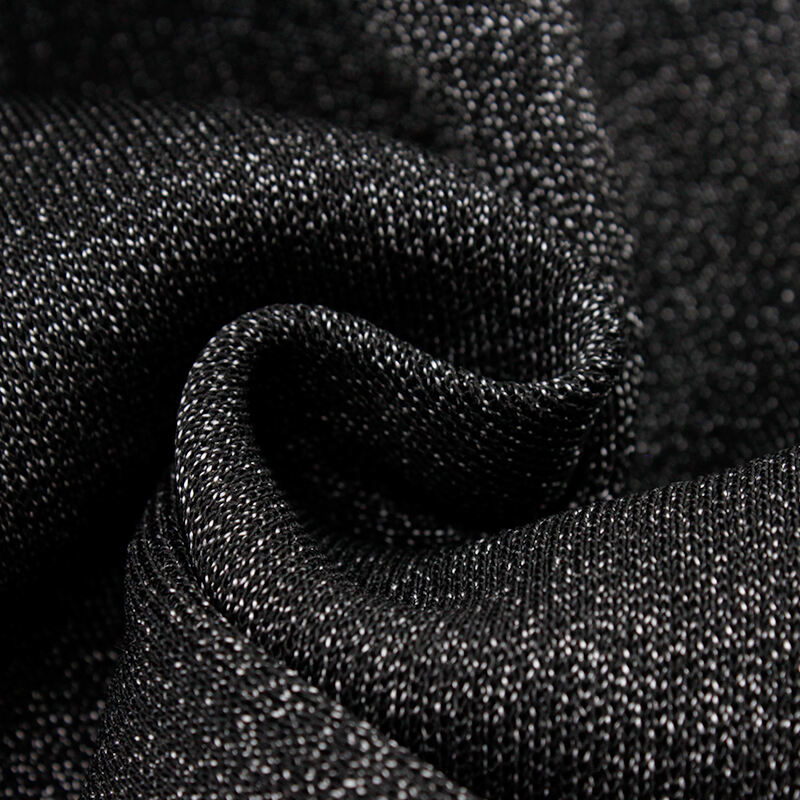
High-Performance Fibers: Building the Foundation of Protective Clothing
Aramid, UHMWPE, PBI, and Dyneema – Strength, Thermal Stability, and Threat-Specific Tradeoffs
Today's protective gear depends heavily on specialized fibers like aramid, UHMWPE (which stands for Ultra-High-Molecular-Weight Polyethylene), PBI (Polybenzimidazole), and Dyneema. These materials get picked because they need to perform under extreme conditions. Take aramid for instance it can handle heat up to around 500 degrees Celsius while still resisting cuts. Then there's UHMWPE, which actually beats steel when we compare strength to weight about 15 times stronger pound for pound. PBI is another interesting one since it resists flames really well without making the fabric stiff or uncomfortable to wear. And finally, Dyneema brings something special to the table lightweight protection against bullets plus good resistance to chemicals and almost no water absorption. Each material has its own strengths that make them suitable for different applications where safety is paramount.
Choosing materials really depends on what kind of threats we're dealing with and how they'll be used day to day rather than picking something that's just better in every way. Take aramid fibers for example. They can handle heat pretty well which is why they work great in situations where there might be flash fires or electrical arcs. On the flip side, UHMWPE absorbs energy exceptionally well against things like shrapnel and bullets from handguns, but starts breaking down when temperatures go over about 150 degrees Celsius. Then there's PBI material that won't start to fall apart until around 600 degrees Celsius, making it suitable for long term use in hot industrial settings or by firefighters. Dyneema has another advantage though since it's so light yet still good at absorbing impacts. That combination makes it perfect for stuff where weight matters a lot, such as body armor worn during combat operations or protective gear needed for handling explosives safely.
| Property | Aramid | UHMWPE | PBI | Dyneema |
|---|---|---|---|---|
| Tensile Strength | 3,600 MPa | 3,500 MPa | 400 MPa | 3,600 MPa |
| Max Temp | 500°C | 150°C | 600°C | 145°C |
| Best For | Heat/Cut | Ballistics | Firefighting | Light armor |
Case Study: U.S. Military’s Multi-Threat Hybrid Soft Armor and Its Impact on Field Safety
When the US military started using hybrid soft armor combinations like layering Dyneema for fragment protection alongside aramid fibers against stabs and heat, they discovered something important about battlefield survival. Real world testing revealed around 40 percent fewer non fatal injuries when troops faced various threats simultaneously such as explosions, knife attacks, and sudden fires. What makes this work so well? Dyneema stops 9mm bullets without needing heavy steel plates, cutting down on soldier load weights significantly. At the same time, aramid handles flames pretty well too, staying stable even when temperatures spike during combat situations. The whole setup keeps soldiers mobile but still protected against multiple dangers at once. Plus, because the armor can be adjusted quickly depending on what kind of mission awaits, commanders get better flexibility without compromising safety standards. Ultimately, the best protective gear comes not from picking one material over another, but combining different materials based on actual needs faced in specific operations.
Functional Finishes: Enhancing Protective Clothing Against Fire, Chemicals, and Environmental Hazards
Permanent vs. Durable FR Finishes: Balancing Compliance (NFPA 2112, EN ISO 11611) and Long-Term Safety
There are basically two types of flame resistant (FR) finishes out there: permanent ones and those that last longer but not forever each comes with different safety considerations and affects how long the gear stays effective. Permanent FR treatments get built right into the fibers when they're made, so the protection doesn't fade away even after lots of washing over time. These stay put no matter how often someone throws them in the washer or what kind of cleaning process gets used. Then we have durable FR finishes which usually contain stuff like phosphorus or nitrogen applied on top of fabrics. These work well for around fifty industrial wash cycles before they start to lose their effectiveness and need either another treatment or new clothing altogether.
All protective gear needs to pass certain basic certifications first, like NFPA 2112 for flash fires and EN ISO 11611 when dealing with welding risks. But here's the thing about those temporary treatments versus permanent ones - only the permanent finishes can keep meeting standards after years of constant exposure to harsh conditions. Firefighters and workers in oil refineries report that around 70% of burns that could have been avoided actually happen because the flame resistant properties in their clothing break down once these treated garments go beyond their recommended service life. Durable options might save money upfront for people working in less dangerous environments, but they come with strings attached. Companies need to track them carefully, send samples for independent testing regularly, and stick to strict replacement timelines if they want to maintain proper certification status. The same goes for other specialized coatings too. When it comes to chemicals and UV protection, materials where the protective qualities are built right into the fabric at a molecular level just work better over time compared to stuff that gets applied on top later.
Smart Integration: Real-Time Monitoring in Modern Protective Clothing
Embedded Sensors in Firefighter Turnout Gear – Validated Performance and Operational Readiness
The integration of sensor technology into firefighter turnout gear transforms what was once just protective clothing into something much more functional. These tiny sensors woven right into the fabric constantly track vital signs like heart rate, breathing patterns, and skin temperature while also detecting dangerous substances in the air such as carbon monoxide and hydrogen cyanide plus measuring intense heat levels. All this information gets sent wirelessly back to commanders on scene. This real time data allows for smarter decisions about when to rotate crews out of hazardous areas before they reach their limits from heat exposure. It also gives commanders advance warning signs about potential dangers like sudden fires spreading rapidly (flashovers) or structural failures that might otherwise catch everyone off guard.
Real world testing indicates around 30% fewer heat stress cases occur when workers rotate based on sensor feedback instead of sticking to fixed schedules. These smart systems do more than just monitor body temperature too. They check how well the gear holds up over time. Special sensors embedded in the fabric can spot chemicals seeping through materials, while tiny temperature sensors across different parts of the suit flag weak spots at areas prone to wear and tear from constant movement. This early warning system sends alerts long before any serious damage happens. The data collected automatically creates detailed records that meet NFPA 1971 standards for equipment checks. Manufacturers are now combining internet connected tech with better fabrics to create protective clothing that keeps people safe without making them feel restricted or weighed down during their work shifts.
Human-Centric Design: Breathability, Moisture Management, and Thermoregulation in Protective Clothing
Today's protective gear focuses on how people actually feel when wearing it, not just about stopping hazards. Breathable designs let air circulate properly so workers don't overheat. The fabric layers work together too one side pulls moisture away from the skin while the other keeps it from sticking there, which helps maintain touch sensitivity and cuts down on dehydration after hours in the field. Some newer stuff includes special temperature regulating tech inside the lining or reflective coatings that help manage body heat better. These features make a real difference because overheating can lead to poor decision making and decreased performance on the job site.
A study in Composites Part A back in 2021 showed that firefighter gear with moisture vents and those PCM panels cuts down on core temperature spikes by about 30% when firefighters are doing their simulated rescue work. The idea behind this kind of gear design is pretty straightforward really. When safety standards actually help keep people going longer instead of just getting in the way, it changes how we think about protective clothing altogether. What was once just something firefighters had to wear becomes equipment that helps them do their jobs better under tough conditions.
FAQ
What are some examples of high-performance fibers used in protective clothing?
High-performance fibers used in protective clothing include aramid, UHMWPE, PBI, and Dyneema. Each of these materials offers specific advantages such as heat resistance, strength, and lightweight protection.
How do permanent and durable flame-resistant finishes differ?
Permanent flame-resistant finishes are integrated into the fiber itself, providing long-term protection even after extensive washing. Durable finishes are applied to the surface and are effective for a limited number of wash cycles, often requiring replacement within a specific timeframe to maintain safety compliance.
How are embedded sensors improving modern protective clothing?
Embedded sensors in protective clothing, such as firefighter turnout gear, provide real-time data on vital signs and environmental conditions. This information helps in making informed decisions, reducing heat stress, and identifying potential hazards early on, thereby enhancing safety and operational readiness.
Table of Contents
- High-Performance Fibers: Building the Foundation of Protective Clothing
- Functional Finishes: Enhancing Protective Clothing Against Fire, Chemicals, and Environmental Hazards
- Smart Integration: Real-Time Monitoring in Modern Protective Clothing
- Human-Centric Design: Breathability, Moisture Management, and Thermoregulation in Protective Clothing
- FAQ