
 EN
EN


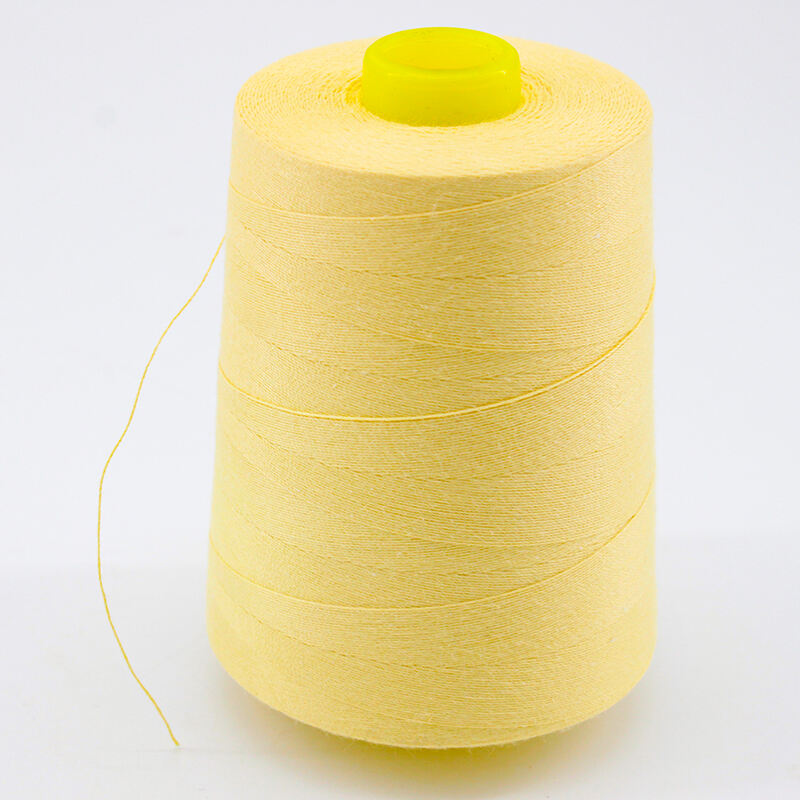
Inherent Flame Resistance: The Safety Foundation of Modacrylic Yarn
Self-extinguishing behavior and non-melting performance under thermal stress
The polymer makeup of modacrylic yarn gives workers real protection against fires. When heated past around 250 degrees Celsius (that's about 482 Fahrenheit), regular synthetic fibers tend to melt and drip all over, causing second degree burns as hot material sticks to skin. But modacrylic behaves differently. Tests in labs have shown that these fibers stop burning on their own pretty quickly once something like a spark or flame goes away. What makes this happen? There are special chemicals built right into the fiber itself. These substances start releasing gases that actually put out flames when they get hot enough. And here's another plus point for safety gear manufacturers: even after dozens of washes in industrial cleaning machines, the fire resistant properties don't disappear. That means protective clothing stays effective through normal wear and tear conditions.
Why inherent (not topical) flame resistance eliminates leaching, degradation, and compliance risk
Topical flame retardant (FR) treatments—commonly applied to cotton or wool—lose effectiveness over time due to chemical leaching during washing, abrasion-induced coating wear, and progressive FR concentration loss after just 25–50 launderings. In contrast, modacrylic’s FR properties are molecularly integrated during polymerization. This eliminates three major liabilities:
- Compliance risk: Consistent, long-term protection meeting NFPA 2112 and ASTM F1506/70E standards—no retesting required;
- Environmental impact: Zero chemical runoff into wastewater streams;
- Performance decay: FR integrity remains stable beyond 100+ industrial washes.
Workers avoid sudden protection gaps; manufacturers reduce liability tied to inconsistent FR performance—especially where topical treatments fail unpredictably under real-world use.
Comfort Engineered: How Modacrylic Yarn Delivers Wearability in FR Applications
Softness, Low Skin Irritation Potential, and Breathability vs. Traditional FR Fibers
Modacrylic yarn changes how people experience flame resistant clothing because it feels good while still keeping them safe. The fibers are much finer and smoother compared to rougher options like aramid fabrics, which means less itching and rubbing against the skin after wearing all day long. Manufacturers designed these fibers to let air pass through easily, making them way more breathable than other heavy synthetics used in fire resistant gear. This helps keep workers cooler when they're stuck in hot environments for hours at a time. For those who need to move around constantly in dangerous situations, this kind of ventilation makes a big difference in staying comfortable throughout their shift. Unlike many older flame resistant materials that either felt terrible or didn't protect well enough, modacrylic manages to do both thanks to its specially crafted fiber structure.
Controlled Moisture Management: Low Absorption + Rapid Drying for Thermal Comfort
Modacrylic yarn helps manage body temperature by controlling how much moisture it holds. The material has hydrophobic properties, so it actually absorbs just around 3 to 5 percent of its own weight when wet. That's way below what cotton does at over 25%. Plus, modacrylic dries much faster too. What makes this important? Well, it stops something called "wet cling" from happening. In places where there's lots of humidity or risk of arc flashes, clothes that get soaked can become conductors of heat or simply restrict movement. When fabrics don't hold onto water as much, they also resist bacteria growth better, which keeps garments cleaner overall. Workers wearing modacrylic gear stay comfortable whether temperatures drop or rise because their clothing manages the microclimate around them effectively. They experience less chill when working in cold conditions and avoid excessive sweating during hot jobs all while maintaining protection against flames.
Optimizing Performance: Strategic Modacrylic Yarn Blends for Multi-Hazard Protection
Synergistic blending with cotton, viscose, and aramid to balance FR integrity, drape, and durability
Modacrylic yarn makes a great base material for protective clothing against multiple hazards when mixed properly with other fibers. When combined with cotton, workers get better breathability and less static buildup, which matters a lot for electrical safety jobs. The fabric still keeps its fire resistant properties intact though. Adding viscose or lyocell fiber content around 20% or more really helps with how the fabric feels on skin, makes it easier to move in, and pulls sweat away from the body. Traditional flame resistant gear tends to be stiff and uncomfortable, but these blends fix that problem. For situations involving intense heat, mixing modacrylic with aramid fibers gives real benefits. Studies indicate these combinations can boost ATPV ratings between 15 to 30 percent compared to using just one type of fiber. This means manufacturers can make lighter weight protective clothing while still meeting important standards like NFPA 70E and ASTM F1506. What's more, these hybrid materials stay flexible even after repeated washing in industrial laundries, something many topical treatments simply cannot handle without losing effectiveness over time.
Proven in Practice: Modacrylic Yarn in Certified Protective Workwear
Modacrylic yarn has become a go-to choice for certified protective clothing in places like power plants, oil refineries, and highway work zones where equipment failures just aren't acceptable. Workwear made from this material regularly hits ATPV levels above 8 cal/cm², stands up well against chemicals, and comes with bright colors for visibility without sacrificing important comfort factors such as air flow and gentle texture against the skin. According to field research, workers tend to wear these garments about 30% more often than traditional flame resistant gear because they don't get as hot and feel better against the skin after hours on the job site. These findings back up what many professionals already know: modacrylic yarn serves as a key component in making PPE that meets strict safety requirements while still being comfortable enough for people to actually wear in tough working conditions.
FAQ
What makes modacrylic yarn inherently flame resistant? Modacrylic yarn has special chemicals built into the fiber which release gases to extinguish flames when heated, thus preventing it from dripping and melting like other synthetic fibers.
How does modacrylic compare to topical flame retardants? Unlike topical treatments, modacrylic's flame resistance is integrated during polymerization, ensuring long-term effectiveness without leaching, degradation, or re-testing requirements.
What are the wearability benefits of modacrylic yarn? Modacrylic offers softness, low skin irritation, breathability, and controlled moisture management, providing superior comfort in fire-resistant clothing.
Why are blends with cotton, viscose, and aramid beneficial? These blends enhance fabric breathability, flexibility, and ATPV ratings, making protective clothing more comfortable and efficient.
Table of Contents
- Inherent Flame Resistance: The Safety Foundation of Modacrylic Yarn
- Comfort Engineered: How Modacrylic Yarn Delivers Wearability in FR Applications
- Optimizing Performance: Strategic Modacrylic Yarn Blends for Multi-Hazard Protection
- Proven in Practice: Modacrylic Yarn in Certified Protective Workwear
- FAQ