
 EN
EN



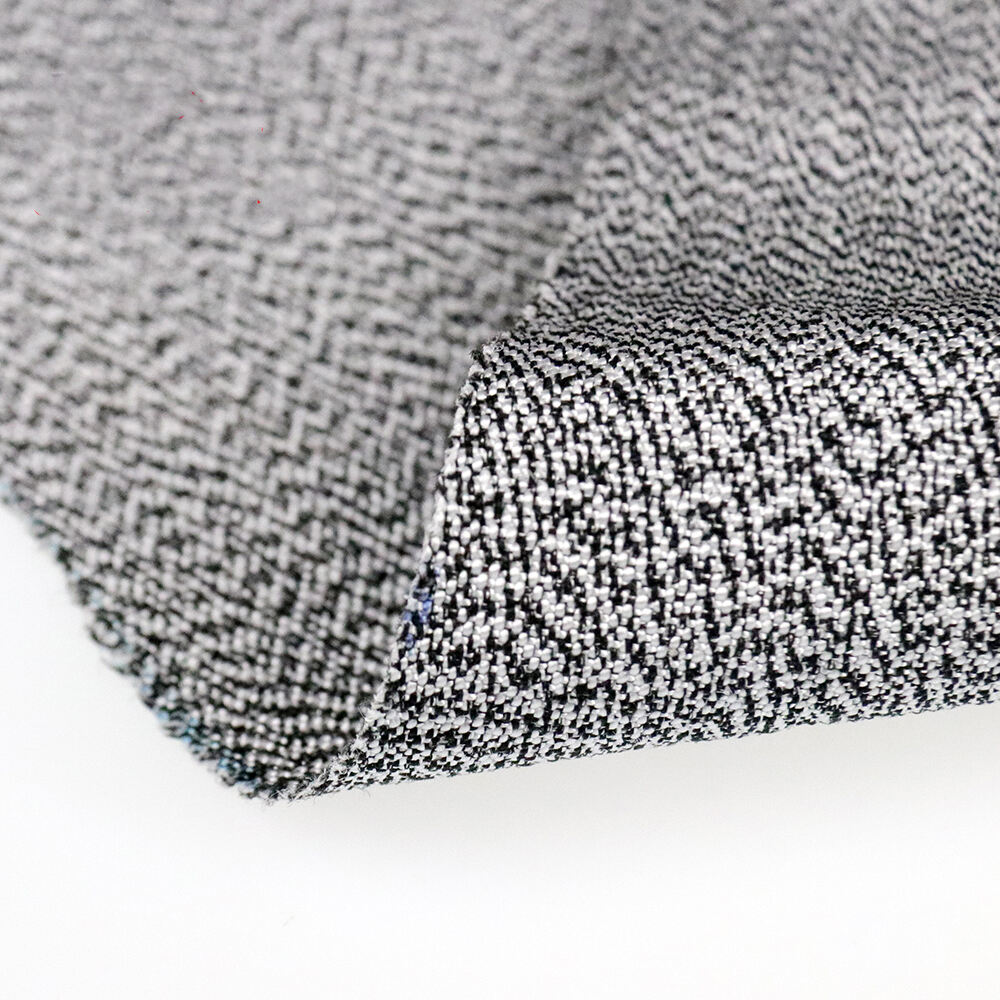
Why UHMWPE Fabric Is Transforming Modern Fishing Gear
From Traditional Nets to Advanced UHMWPE Fabric: A Material Evolution
The fishing industry has seen some major changes over time when it comes to gear materials. We went from basic hemp ropes and nylon lines to something much better called ultra high molecular weight polyethylene or UHMWPE fabric. Why? Because old school stuff just couldn't handle what Mother Nature throws at them out there. Steel cables would start rusting away after about five years in saltwater according to Ponemon's research back in 2023. Nylon wasn't much better either losing nearly half its strength within two years under sunlight. That's where this new material shines though. The way UHMWPE is made gives it both strong molecular bonds and good resistance to chemicals. As a result, it packs around fifteen times more strength per pound compared to regular steel without all the extra weight dragging things down.
Core Advantages: High Strength, Low Weight, and Reduced Drag
The shift to UHMWPE fabric centers on three transformative benefits:
- 15x higher tensile strength than steel wire, preventing net rupture during deep-sea hauls
- 53% weight reduction versus traditional polyethylene nets, enabling larger net deployments
- Hydrodynamic design with a 0.35 water resistance coefficient, cutting vessel fuel consumption by 15–20%
Field data from the 2024 Marine Materials Innovation Report shows UHMWPE nets maintain 80% strength retention after 1,500 hours of UV exposure—outperforming nylon’s 60% degradation rate under identical conditions.
Global Adoption Trends in Deep-Sea Fleets
More than two thirds of new deep sea trawlers these days come equipped with UHMWPE fabric nets, especially those operating in premium fisheries chasing after tuna and swordfish stocks. The numbers get even more interesting when looking at Iceland's Arctic fishing areas, where almost all boats have made the switch. Fishermen there are seeing their nets last about 30 percent longer while catching roughly 22 percent more fish than they did with old polyamide nets. No wonder so many captains are making this change. Over time, these upgrades translate into real money saved too. Most vessel owners calculate around seven hundred forty thousand dollars in savings across a decade of operation once they ditch the older gear for these modern alternatives.
Superior Mechanical Performance in Extreme Marine Environments
Tensile Strength and Load Resistance Under Deep-Sea Pressure
The molecular makeup of UHMWPE fabric gives it tensile strength over 3 GPa, so it can handle the intense pressure found at depths around 4,000 meters without deforming structurally. Traditional nylon nets tell a different story though. According to research published in Oceanic Engineering Journal last year, these nylon materials typically lose between 40 to 60% of their strength once they go past 1,500 meters depth. But UHMWPE keeps about 98% of its original strength even when compressed severely. What makes this possible? Its incredibly high modulus rating of 110 to 120 GPa stops the fibers from stretching out when sudden loads happen, like when there's a big catch or strong underwater currents pulling on the material.
Durability and Impact Resistance in Harsh Ocean Conditions
Tests conducted in the rough waters of the North Atlantic show that UHMWPE nets still hold about 85% of their initial impact strength even after being used nonstop for 18 months straight. That's a huge difference when compared to polyester blends which drop down to just 35%. What makes UHMWPE so tough? Its special crystal structure gives it amazing resistance to wear from those jagged rocks on the ocean floor. We've seen tear spread reduced by around 70% in areas where waves crash hard against the shore. Scientists believe this happens because UHMWPE works differently than other materials. Instead of letting all the stress build up at weak spots, it spreads out the force through its long molecular chains, kind of like how shock absorbers work in cars but at a microscopic level.
Lifecycle Cost Analysis: High Initial Investment vs. Long-Term Savings
UHMWPE nets do come at around 2.8 times the price of regular ones initially, but they last anywhere between 8 to 12 years before needing replacement. That means fishermen end up changing them out roughly three times less often than traditional materials would require. According to recent findings from the Global Maritime Sustainability Initiative in their 2024 study looking at entire fleets across different regions, overall costs actually went down by about 44 percent when considering everything over ten years. The main reasons? Lighter weight equipment saves on fuel expenses, plus there's absolutely no need to dispose of old synthetic fibers anymore. Fishermen have been telling us too that unexpected breakdowns happen much less frequently these days. One survey mentioned something like a 22% drop in those frustrating mid-season failures that can ruin whole harvest periods.
Endurance testing methodologies for marine materials have validated UHMWPE’s performance metrics under simulated extreme conditions, including hurricane-force wave cycles and subzero thermal shocks.
Exceptional Resistance to Environmental Degradation and Biofouling
Performance in Saltwater, UV Exposure, and Chemical Erosion
UHMWPE fabric holds up remarkably well in harsh marine conditions where corrosion is a constant threat. Regular nylon nets tend to break down about 3 to 5 times quicker when submerged in saltwater, while UHMWPE keeps around 98% of its original strength even after sitting in seawater for two whole years according to research from the Marine Materials Consortium back in 2023. The way this material is built at the molecular level makes it stand up against UV damage too. Real world testing has shown that after spending roughly 10,000 hours under direct sunlight, there's only about 2% loss in elasticity at most. When it comes to resisting chemicals, this stuff really shines. Acids, strong bases, and various hydraulic fluids barely make a dent in it, causing less than half a percent deformation on the surface. That kind of performance beats out polyester options by almost nine tenths, making UHMWPE a serious contender for applications where chemical exposure is part of daily operations.
Field Data from Pacific and North Atlantic Fishing Zones
Recent deployments in high-intensity zones reveal UHMWPE’s operational superiority:
| Metric | Pacific Zone (2023) | North Atlantic (2024) |
|---|---|---|
| Net replacement cycles | 7–10 years | 6–8 years |
| Biofouling accumulation | 12 kg/km² | 9 kg/km² |
| Fuel efficiency gain | 18% | 15% |
Data from 214 vessels confirms UHMWPE nets reduce maintenance downtime by 240–300 hours annually compared to polyethylene systems.
Biofouling Resistance and Hydrodynamic Efficiency of UHMWPE Fabric
What makes this material stand out is its incredibly smooth surface that stops organisms from sticking to it. Tests show it cuts down barnacle buildup by around 92% and slows algae growth by about 84% when compared with regular fishing nets. The smoother surface also means less resistance in water, which actually reduces drag by somewhere between 0.12 and 0.15 units. Fishermen have noticed their boats burn 12 to even 18% less fuel as a result. Field tests conducted by independent researchers found that these nets tear much less often when dealing with jellyfish blooms and other debris that typically rips through standard gear. About 41% fewer breaches overall. And there's another big plus for ocean conservationists too. Since UHMWPE doesn't contain any toxic substances, it works well with the latest International Maritime Organization rules on biofouling. This avoids all those environmental problems that come with traditional copper-based coatings used to keep marine life away.
Innovations in Surface Modification for Enhanced Durability and Adhesion
Challenges in UHMWPE Fiber Adhesion and Composite Integration
Ultra high molecular weight polyethylene (UHMWPE) fabric has amazing strength, but there are some real sticking points when it comes to making it work well with other materials. The material has this low surface energy range between 18 and 24 mN/m plus it doesn't react chemically much at all, which makes bonding tricky when creating composite fishing nets. According to research published last year by the Polymer Engineering Consortium, they found that composites made from untreated UHMWPE failed at the interface about 70% of the time when subjected to repeated stress cycles. What's worse, exposure to salt water actually speeds up the separation process, something that poses serious problems for commercial fishing vessels operating in deep waters where they routinely haul in loads weighing anywhere from 8 to 12 tons.
Plasma Treatment and Chemical Grafting Techniques
New surface modification methods are helping close the performance gap we've seen in materials science. Take atmospheric plasma treatment for instance it boosts surface energy levels between 45 and 60 mN/m by adding oxygen functional groups to surfaces. This simple process makes epoxy adhesion in marine composites about three times stronger than before. Some researchers at the Marine Materials Journal reported last year that chemical grafting with maleic anhydride can cut down hydrolytic degradation by around two thirds. What's really impressive is that these treatments keep roughly 92 percent of the original fiber strength intact, which means manufacturers can create tougher hybrid nets without sacrificing material integrity. The industry is starting to see real value in these approaches as they balance durability with cost effectiveness.
Compatibilization Strategies for Stronger, Longer-Lasting Nets
Multilayer compatibilization combines chemical bonding with mechanical interlocking. Silane coupling agents combined with UV-activated surface patterning create hybrid interfaces that withstand 40 MPa shear stresses. Recent commercial trials in North Atlantic fleets (2023) show polyolefin-based interfacial coatings reduce net replacements by 40% while increasing squid catch efficiency through 25% higher load distribution capacity.
Real-World Applications and Industry Impact of UHMWPE Fishing Nets
Case Studies: Commercial Success from Iceland to Patagonia
Fisheries in the North Atlantic have seen remarkable results when switching to UHMWPE nets, with salmon farms reporting nearly 98% survival rates. The trawling systems also perform better for catching valuable fish like tuna, pulling in about 30% more compared to older equipment. Down in South America, fishing vessels adopting these same UHMWPE nets can now operate at depths reaching 3,000 meters deep underwater. A recent look at marine tech from 2024 shows these boats are catching 25% more per trip too. Why does this material work so well? It comes down to how strong yet light it is. With tensile strength ranging between 30 and 40 cN/dtex, fishermen can deploy much bigger nets without worrying about their ships becoming unstable or overloaded.
Operational Metrics: Fuel Efficiency, Catch Rates, and Safety Improvements
UHMWPE nets have a better hydrodynamic profile than their nylon counterparts, cutting down on water resistance somewhere around 35 to 50 percent. This actually means ships burn about 15 to 20 percent less fuel during each trip. Fishermen who switched to these newer nets report hauling things aboard roughly 18 percent quicker too. And there's another benefit nobody talks about much but makes a big difference – since these nets weigh half as much as nylon ones, crews experience about 40 percent fewer accidents related to handling heavy gear. Some research from last year looked at how long these nets last over time. The results were pretty surprising: while traditional nylon nets typically need replacing every 5 to 8 years, UHMWPE versions can stick around for over two decades. That kind of longevity cuts down on those expensive replacement costs significantly.
Compliance with Fisheries Regulations and Sustainability Standards
The corrosion resistance of UHMWPE means no need for those harmful anti-fouling coatings anymore, which is a big plus when it comes to following EU and UNEP guidelines on marine pollution. We've seen some impressive results too - nets made from this material last so much longer that they cut down on plastic waste by around 70% over ten years. And there's something else worth mentioning: the special knotless weaving technique creates meshes that are just right for catching target species but letting smaller ones escape. This has helped fishing vessels get their MSC certifications and actually improved their performance against bycatch reduction targets by about 35%, according to recent industry reports. For commercial operations looking to stay compliant while being environmentally responsible, these benefits make a compelling case for switching materials.
Frequently Asked Questions (FAQ)
What makes UHMWPE fabric better than traditional fishing materials?
UHMWPE fabric offers superior tensile strength, reduced weight, and hydrodynamic efficiency compared to traditional materials like nylon and steel. This allows for larger net deployments, less fuel consumption, and longer-lasting nets.
How does UHMWPE perform in extreme marine environments?
UHMWPE fabric maintains high tensile strength under deep-sea pressure and offers exceptional durability and impact resistance. It retains much of its strength even when exposed to harsh conditions like rough waters and jagged ocean floors.
Is the initial investment in UHMWPE nets worth it?
Despite higher initial costs, UHMWPE nets offer long-term savings due to their durability, reduced maintenance needs, and longer replacement cycles.
Table of Contents
- Why UHMWPE Fabric Is Transforming Modern Fishing Gear
- Superior Mechanical Performance in Extreme Marine Environments
- Exceptional Resistance to Environmental Degradation and Biofouling
- Innovations in Surface Modification for Enhanced Durability and Adhesion
- Real-World Applications and Industry Impact of UHMWPE Fishing Nets
- Frequently Asked Questions (FAQ)