
 EN
EN


What Is Flame Retardant Yarn? Definition, Standards, and Core Performance Metrics
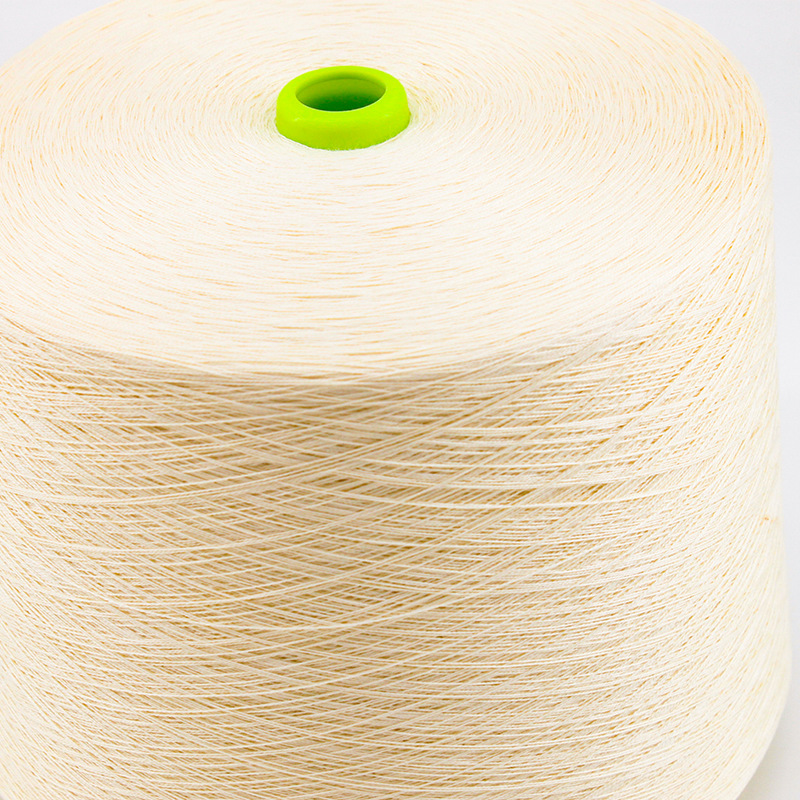
Flame retardant yarn is engineered to resist ignition, slow combustion, and self-extinguish when exposed to flames or high heat. Unlike conventional textiles, these yarns disrupt the fire triangle (heat, fuel, oxygen) through chemical or structural mechanisms—providing critical escape time in fire emergencies.
Flame Resistant vs. Flame Retardant: Clarifying Terminology, Regulatory Frameworks (NFPA 2112, ISO 15025), and Compliance Implications
Flame resistant (FR) refers to fibers with inherent molecular fire resistance—such as aramids or modacrylic—while flame retardant describes chemically treated materials where additives impart protection. Regulatory standards define minimum performance for real-world safety:
- NFPA 2112, the benchmark for industrial flash-fire PPE, requires ≤50% predicted body burn and ≤2 seconds of afterflame time.
- ISO 15025 evaluates surface and edge ignition resistance for protective clothing, specifying a maximum char length of 100 mm. Non-compliance carries serious consequences—including OSHA penalties exceeding $740,000 (2023) and potential denial of insurance claims.
Key Performance Indicators: LOI, Afterflame Time, Char Length, Melt/Drip Behavior, and Smoke Toxicity
These metrics objectively quantify protective capability:
| Metric | Definition | Ideal Value |
|---|---|---|
| LOI (Limiting Oxygen Index) | Minimum O₂ concentration to sustain burning | >28% (e.g., modacrylic) |
| Afterflame Time | Duration of burning after ignition removal | ≤ 2 seconds (NFPA 2112) |
| Char Length | Damaged fabric length post-test | ≤ 100 mm (ISO 15025) |
| Low smoke toxicity and anti-drip behavior are equally vital—reducing inhalation hazards and secondary ignition risks without requiring additional citations across sections. |
Two Primary Categories of Flame Retardant Yarn: Inherent vs. Treated Systems
Inherently FR yarns: chemistry and thermal stability of Nomex®, PBI, modacrylic, and FR viscose
Inherent flame retardant yarns embed fire resistance directly into their polymer structure. Fibers like meta-aramid (Nomex®), polybenzimidazole (PBI), modacrylic, and FR viscose feature thermally stable backbones that resist decomposition at extreme temperatures. When exposed to flame, they char rather than melt—forming a durable, insulating carbon barrier that blocks heat and oxygen. This intrinsic protection remains unchanged over time, unaffected by laundering, abrasion, or UV exposure. Their consistently high LOI (>28%) makes them the standard for high-stakes applications such as firefighting turnout gear and arc-flash-rated workwear.
Treated FR yarns: durable phosphorus- or nitrogen-based finishes on polyester, cotton, and blends — wash-fastness, abrasion resistance, and lifecycle limitations
Treated flame retardant yarns rely on topical chemical finishes applied to conventional fibers like cotton or polyester. Phosphorus-based systems promote rapid charring; nitrogen compounds release non-flammable gases that suppress flame propagation. Though marketed as “durable,” these treatments have finite lifespans:
- Wash-fastness: Typically retain efficacy for 30–50 industrial launderings before measurable degradation.
- Abrasion resistance: Bonded finishes wear preferentially at high-friction zones—seams, cuffs, collars—reducing localized protection.
- Lifecycle limits: Require proactive replacement scheduling, unlike inherent solutions—making maintenance tracking essential for compliance.
How Flame Retardant Yarn Works: Molecular Mechanisms Behind Fire Suppression
Flame retardant yarn interrupts combustion through three synergistic molecular pathways.
First, char formation occurs when additives catalyze dehydration reactions in the fiber matrix—creating a thermally insulating carbon layer that shields underlying material from heat and oxygen. Phosphorus-based systems in treated cotton, for example, accelerate this process and reduce flammable volatile emissions by up to 60% versus untreated counterparts.
Second, gas dilution leverages thermal decomposition to release non-flammable gases—such as water vapor or nitrogen—which lower local oxygen concentration and absorb heat via endothermic reactions. Brominated and nitrogen-based retardants operate primarily in the vapor phase, quenching free-radical chain reactions that sustain flames.
Third, thermal quenching absorbs energy directly: hydrated minerals like alumina trihydrate release bound water endothermically upon heating, cooling the fabric surface below ignition thresholds. Intumescent coatings expand into low-conductivity foams, further insulating the substrate. Together, these mechanisms attack multiple elements of the fire triangle—slowing ignition, limiting flame spread, and enabling self-extinguishment. That multi-pathway suppression underpins the 73% reduction in burn injury severity observed in validated field studies of compliant FR textile systems.
Critical Applications of Flame Retardant Yarn Across High-Risk Sectors
Personal Protective Equipment (PPE): Firefighting Turnout Gear, Military Uniforms (MIL-STD-3020, Berry Amendment), and Arc-Flash Rated Workwear
Flame retardant yarn is foundational to life-critical PPE. Firefighters depend on turnout gear woven from inherently FR fibers like PBI or FR-viscose—materials that self-extinguish even above 500°C and maintain integrity after 100+ industrial washes. Military uniforms comply with MIL-STD-3020’s stringent vertical flame test requirements, while arc-flash workwear meets NFPA 70E 2023 mandates for ≤2-second afterflame time—a necessity given that arc flashes reach 19,400°C in under 0.1 seconds. These applications demand uncompromising thermal stability, durability, and mobility—qualities only inherent FR yarns reliably deliver at scale.
Industrial and Public-Sector Textiles: Automotive Interiors, Energy Sector Workwear, Rail/Metro Upholstery, and Contract Furnishings Meeting BS 5852 or CAL 117
Beyond PPE, flame retardant yarn enables passive fire safety in high-occupancy infrastructure. Automotive interiors use phosphorus-treated polyester-cotton blends with LOI >28% to delay flashover during collisions. Energy sector workwear incorporates finishes that cut peak heat release rates by 40% compared to untreated fabrics (Textile Research Journal, 2022). Rail upholstery certified to BS 6853 and contract furnishings meeting CAL 117 rely on char-forming yarns to slow fire propagation—directly addressing the 27% of public transport fires initiated by combustible interior materials (FRA, 2023). Here, regulatory alignment translates into measurable risk reduction—without overloading the narrative with redundant statistics or duplicate citations.
FAQs
What is the difference between flame resistant and flame retardant yarn?
Flame resistant yarn is made of fibers with inherent fire resistance due to their chemical structure, like aramids or modacrylic. Flame retardant yarn, however, is made from fibers that are treated with chemical additives to make them fire retardant.
What are the primary standards for flame retardant yarn?
The key standards include NFPA 2112 for industrial flash-fire PPE and ISO 15025 for assessing ignition resistance in protective clothing.
How do inherent and treated flame retardant yarns differ?
Inherent flame retardant yarns have fire resistance integrated directly into their fibers, while treated yarns have chemical finishes applied to ordinary fibers to impart fire resistance.
What are some common applications of flame retardant yarn?
Flame retardant yarn is used in firefighting gear, military uniforms, arc-flash workwear, automotive interiors, and fire-safe upholstery.
Table of Contents
- What Is Flame Retardant Yarn? Definition, Standards, and Core Performance Metrics
- Two Primary Categories of Flame Retardant Yarn: Inherent vs. Treated Systems
- How Flame Retardant Yarn Works: Molecular Mechanisms Behind Fire Suppression
-
Critical Applications of Flame Retardant Yarn Across High-Risk Sectors
- Personal Protective Equipment (PPE): Firefighting Turnout Gear, Military Uniforms (MIL-STD-3020, Berry Amendment), and Arc-Flash Rated Workwear
- Industrial and Public-Sector Textiles: Automotive Interiors, Energy Sector Workwear, Rail/Metro Upholstery, and Contract Furnishings Meeting BS 5852 or CAL 117
- FAQs