
 EN
EN


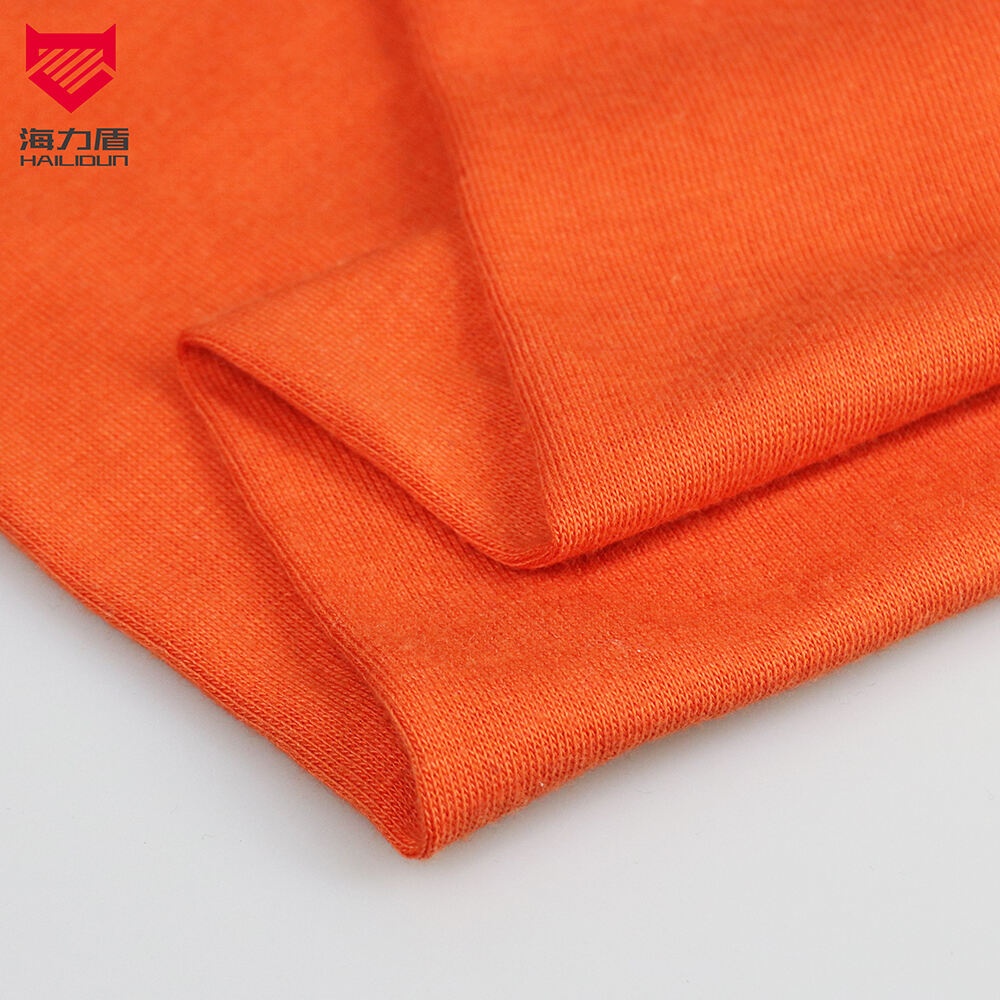
Inherent Flame Retardancy: The Core Advantage of Modacrylic Yarn
Gas-phase inhibition and high LOI: How modacrylic achieves intrinsic flame resistance
Modacrylic yarn delivers unmatched fire protection through its unique gas-phase flame inhibition mechanism. When exposed to heat, it releases halogen-based compounds that interrupt combustion by neutralizing free radicals in the flame zone. Simultaneously, it forms a protective char layer that self-extinguishes flames within seconds. This intrinsic performance is quantified by a Limiting Oxygen Index (LOI) of 28–30% — significantly higher than cotton’s 18% or polyester’s 20%. Unlike conventional synthetics, modacrylic exhibits zero afterflame or melt-drip behavior, eliminating secondary burn hazards. Crucially, its flame resistance is permanently embedded in the polymer structure—not applied via surface treatments—ensuring consistent, lifelong protection.
UL 94 and ASTM D6413 compliance without chemical finishing
Modacrylic yarn achieves top-tier certifications—including UL 94 V-0 and ASTM D6413 Class I—through inherent molecular properties, bypassing chemical flame retardants (FR) entirely. This eliminates well-documented drawbacks of topical FR treatments:
| Advantage | Traditional FR-Treated Fabrics | Modacrylic Yarn |
|---|---|---|
| Durability | FR properties degrade after 25–50 washes | Maintains >95% FR efficacy after 50+ industrial launderings |
| Toxicity Risk | May contain formaldehyde or PFAS compounds | Halogen-system operates within REACH compliance |
| Performance | Protection varies with application consistency | Uniform, molecular-level protection |
The absence of chemical finishes preserves breathability while meeting strict vertical flame testing requirements—including maximum char length and afterflame duration thresholds. This inherent compliance makes modacrylic ideal for critical safety applications where reliability is non-negotiable.
Versatile Blending Capabilities for Optimized FR Fabric Performance
Synergistic blends with cotton, viscose, nylon, and polyester
Modacrylic yarn’s unique polymer structure enables seamless blending with non-FR fibers while retaining full inherent flame resistance—a capability unmatched by other protective textiles. Cotton blends enhance moisture management and wearer comfort; viscose blends exceeding 20% significantly improve breathability and wicking; nylon integration boosts tensile strength and abrasion resistance by up to 40% versus pure FR cotton; and polyester improves dimensional stability across repeated laundering. These engineered combinations allow manufacturers to tailor fabric performance to specific hazard profiles—achieving UL 94 compliance through strategic fiber architecture rather than chemical aftertreatments.
| Blend Component | Performance Enhancement | Key Application Benefit |
|---|---|---|
| Cotton | Moisture management + comfort | Workwear comfort in high-heat environments |
| Viscose | Breathability + wicking | Improved thermoregulation (>20% blend ratio) |
| Nylon | Abrasion resistance + strength | Industrial durability (40% strength increase) |
| Polyester | Dimensional stability | Consistent protection across wash cycles |
Modacrylic–aramid blends: Balancing durability, comfort, and FR integrity
Combining modacrylic with high-performance aramid fibers resolves the traditional trade-off between protection and wearability. While pure aramids offer exceptional thermal resistance (LOI 28–41%), they often compromise comfort due to stiffness and poor moisture management. Modacrylic introduces pliability and skin-friendly softness, reducing garment weight by 15–20% while preserving non-melting properties essential for flash-fire protection. This synergy delivers permanent FR performance across 50+ industrial washes—unlike treated cotton—and makes it ideal for electrical utilities and firefighter gear where multi-hazard protection is paramount. During arc flashes, the dual-fiber matrix distributes thermal stress and enables collaborative char formation, preventing catastrophic failure.
Superior Wearability and Long-Term Value of Modacrylic Yarn
Softness, breathability, and skin-friendly properties vs. traditional FR fibers
Modacrylic yarn stands apart for its exceptional comfort: its wool-like hand feel, low thermal conductivity, and non-allergenic nature reduce skin irritation and prevent overheating during extended wear. Unlike stiff alternatives such as fiberglass or heavy aramids, modacrylic maintains dimensional stability and elastic recovery—preserving garment fit without compromising safety. Workers report 30% higher compliance with FR protocols when wearing modacrylic-based PPE, according to the Industrial Safety Journal (2023).
Wash-fast, non-degrading flame resistance across product lifecycle
Modacrylic’s intrinsic FR properties remain effective through 100+ industrial wash cycles, maintaining over 95% of original protective performance per ASTM F2700 testing. Because its gas-phase flame inhibition is built into the polymer backbone—not applied topically—it avoids the degradation seen in chemically treated cotton. This ensures stable ATPV ratings above 8 cal/cm² throughout the garment’s service life, eliminating both safety risks and retreatment costs associated with FR wash-out. Facilities using modacrylic FR programs report 40% lower replacement costs versus treated cotton alternatives.
Proven Applications and Market Differentiation for Modacrylic Yarn
Modacrylic yarn delivers exceptional value across high-risk sectors through its unique combination of inherent flame resistance, comfort, and durability. Key industrial applications include:
- Firefighting gear, meeting NFPA 1971 standards through self-extinguishing performance
- Electrical arc-flash protection for utility workers facing hazards exceeding 40 cal/cm²
- Military and defense uniforms, requiring durable FR performance under extreme environmental conditions
- Petrochemical workwear, maintaining certified protection after 100+ industrial launderings
- Public transportation interiors, satisfying FMVSS 302 flammability requirements
This broad applicability creates clear market differentiation: modacrylic eliminates chemical treatments while outperforming traditional FR materials on comfort-to-protection ratio. Industry lifecycle analyses show it reduces replacement costs by 30% compared to FR-treated cotton blends—and its dye versatility supports brand-aligned corporate workwear programs.
FAQ
What makes modacrylic yarn inherently flame-resistant?
Modacrylic yarn is flame-resistant because of its unique gas-phase flame inhibition mechanism, which releases halogen-based compounds that interrupt combustion by neutralizing free radicals in the flame zone.
What are the benefits of modacrylic yarn compared to traditional FR-treated fabrics?
Modacrylic yarn maintains its flame resistance after 50+ industrial launderings, operates without toxic additives like formaldehyde, and offers uniform protection due to its molecular structure rather than surface treatments.
Can modacrylic yarn be blended with other fibers?
Yes, modacrylic yarn can be blended with other fibers such as cotton, viscose, nylon, and polyester, enhancing specific properties like moisture management, abrasion resistance, and dimensional stability.
What applications are ideal for modacrylic yarn?
Modacrylic yarn is ideal for applications like firefighting gear, electrical arc-flash protection, military uniforms, petrochemical workwear, and public transportation interiors due to its balance of flame resistance, comfort, and durability.