
 EN
EN



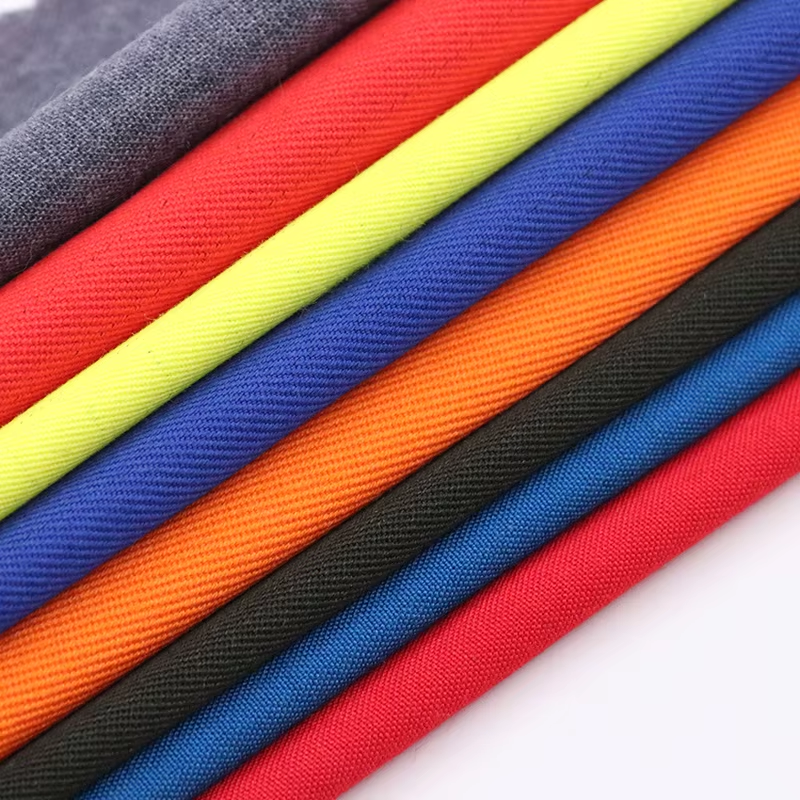
How Flame Retardant Fabric Protects Workers in Hazardous Conditions
What is flame retardant fabric and how does it enhance worker protection?
Flame resistant fabrics are designed to stand up against catching fire, slow down how fast flames spread across them, and actually put themselves out once they come into contact with fire or intense heat. Standard materials just can't do this kind of thing. Flame resistant options instead rely on special fibers such as aramid, modacrylic blends, or cotton that has been chemically modified to form a protective layer between the wearer and danger. Tests conducted under ASTM standards show these materials cut down on heat reaching the skin by around half compared to regular fabrics. The difference matters a lot too. Those extra few seconds before something catches fire can mean the difference between escaping safely and suffering serious burns for people working in hazardous environments every day.
The principle of self-extinguishing capabilities in flame resistant fabrics
Fire resistant fabrics work mainly through two processes: creating a protective char and undergoing endothermic chemical reactions. When something catches fire, the special FR fibers actually put out some inert gases that cut off oxygen right at the fabric's surface. At the same time, they form this really stable char layer that acts like insulation between the heat source and whoever is wearing it. These combined effects stop the fabric from continuing to burn, which is exactly what standards like NFPA 2112 require for proper flash fire protection. The good news is that these inherent FR properties don't fade away after repeated washing either. Most materials can handle over 100 industrial laundry cycles without losing their effectiveness, making them reliable options for workers who need protection day after day on the job site.
How flame resistant clothing works to protect against fire and electrical hazards
| Hazard Type | Fabric Response | Protective Effect |
|---|---|---|
| Flash Fires | Expands to create insulating air gaps | Reduces convective heat transfer by 40–60% |
| Arc Flashes (15–35 cal/cm²) | Carbonizes without melting | Prevents secondary burns from molten drips |
| Molten Metal | High-density weaves shed droplets | Lowers adhesion risk by 70% (ISO 11612) |
For electrical hazards, FR fabrics resist arc-induced temperatures exceeding 932°F (500°C). Multi-layer garments made with Nomex®-style fibers disrupt electrical current pathways, while moisture-wicking inner layers help prevent steam burns. OSHA-certified ensembles integrate these features to meet NFPA 70E standards for arc-rated personal protective equipment (PPE).
Key Industries That Depend on Flame Retardant Fabric for Safety
Flame retardant (FR) fabrics are essential across industries where fire, electrical arcs, or extreme heat present daily risks. These textiles meet strict safety benchmarks while addressing sector-specific challenges.
Oil and Gas: Mitigating Flash Fire Hazards with Reliable Flame Resistant Textiles
Those working in oil and gas extraction and refining regularly deal with dangerous situations involving flammable hydrocarbon vapors, combustible dust particles floating around, and the ever-present risk of sudden flash fires breaking out without warning. Flame resistant (FR) clothing plays a critical role here since these special textiles actually stand up against catching fire and slow down the transfer of intense heat, which means workers suffer far fewer severe burns when accidents happen. Crews manning offshore rigs and maintaining pipelines absolutely depend on those multi-layer FR outfits for their protection. Regular work clothes just aren't safe enough in this environment because they tend to melt right off skin during crude oil fires, making injuries much worse than they already are. Safety experts have seen firsthand what happens when proper protective gear isn't worn in these high hazard zones.
Electrical Utilities and Arc Flash Protection Through Compliant FR Garments
Arc flashes—explosive discharges reaching over 35,000°F—require FR clothing compliant with NFPA 70E. Fabrics such as modacrylic blends resist ignition from intense thermal energy and reduce burn severity. Utility linemen and substation technicians depend on arc-rated hoods, gloves, and coveralls to survive instantaneous high-energy events.
Welding and High-Heat Environments Benefiting from Durable Flame Resistance
Welding operations generate sparks, molten metal splashes, and radiant heat, demanding durable FR protection. Flame-resistant cotton blends withstand repeated exposure to slag and UV radiation without breaking down. Foundries and steel mills often use aluminized FR coatings to reflect infrared radiation and enhance thermal shielding.
Firefighting and Specialized Applications of Inherently Flame Resistant (IFR) Fabrics
Inherently Flame Resistant (IFR) fabrics like meta-aramid fibers offer permanent protection without chemical treatments. Firefighters rely on IFR turnout gear to endure direct flame contact during structural fires. Similarly, aircraft rescue teams use IFR suits designed to withstand jet fuel fires exceeding 1,800°F, balancing mobility with life-saving thermal stability.
Inherent vs. Treated Flame Retardant Fabrics: Performance and Longevity
Fabric Composition: Understanding Inherent vs. Chemically Treated Flame-Resistant Materials
FR fabrics that are inherently resistant to fire get their protection from special fibers built right into the material itself, like aramid, modacrylic, or PBI. These don't need any extra chemicals added after manufacturing to pass safety tests. On the other hand, many treated FR fabrics start as regular cotton or polyester blends. Manufacturers then apply flame retardants during production, often using things like phosphorus based coatings. But this kind of protection doesn't last forever. Over time, with normal wear and when exposed to different environments, these treatments tend to break down and lose effectiveness.
Durability and Lifespan of FR Fabrics: Why Inherent Flame Resistance Outperforms Treated Variants
The performance gap between fabric types is clear:
| Factor | Treated Fabrics | Inherent Fabrics |
|---|---|---|
| Average Lifespan | 12–18 months | 5+ years |
| Max Heat Tolerance | 500°F | 1,200°F |
| Wash Cycles | Loses efficacy after 25 | Retains properties >100 |
Inherent fabrics retain structural integrity under extreme heat and rigorous laundering, making them better suited for high-risk environments like oil refining and utility work.
Controversy Analysis: Long-Term Reliability of Treated Fabrics Under Repeated Exposure and Washing
Fabric treatments often get questioned because their performance just doesn't hold up over time when washed repeatedly or subjected to wear and tear. Research indicates that fire resistance tends to drop off pretty quickly after around 20-30 washes, which could mean failing safety standards in really tough environments. Sure, these treated options might save money upfront, but there are hidden costs down the road for people working in situations where exposure is constant. On the flip side, fabrics made with inherent fire resistant properties cut out all that guesswork. Workers know what they're getting day after day without worrying about maintenance issues or sudden drops in protection levels during critical moments.
Compliance with Safety Standards and OSHA Regulations for FR Clothing
Importance of Complying with OSHA Regulations on FR Clothing in High-Risk Sectors
The Occupational Safety and Health Administration mandates that workers in fields like electrical utility work and oil refining wear flame resistant fabrics. Failure to comply with these safety standards raises the risk of serious burns or injuries by around 85%, according to data from the Bureau of Labor Statistics released last year. Regulation 29 CFR 1910.269 specifically states that companies need to supply arc rated fire resistant clothing whenever the potential energy exposure goes above 2.0 calories per square centimeter. When businesses ignore these requirements, they face steep fines that can top $156k for each violation, not to mention the legal troubles that come with breaking OSHA's General Duty Clause which holds employers accountable for workplace safety.
NFPA 2112 and NFPA 70E: Core Safety Standards for Flash Fire and Arc Flash Protection
NFPA 70E (2024 Edition) mandates that FR clothing withstand 1.2–40 cal/cm² of arc thermal exposure, while NFPA 2112 requires fabrics to self-extinguish within two seconds during flash fires. Compliance with these standards has been shown to reduce burn injuries by 50% in oil and gas settings compared to non-compliant alternatives.
ASTM F1506 and ISO 11612: Global Benchmarks for Flame Resistance in Work Environments
ASTM F1506-22 evaluates FR fabric performance against molten metal splashes and convective heat, while ISO 11612 certifies suitability for chemical manufacturing and firefighting applications. Fabrics meeting both standards maintain protective qualities through 500+ industrial wash cycles, demonstrating 35% greater longevity than those certified under regional standards alone.
Innovations and Future Trends in Flame Retardant Workwear Technology
Advances in flame retardant fabric technology are transforming protective workwear by enhancing safety, comfort, and sustainability. Three major innovations are shaping the future:
Innovations in Inherent Flame Retardant (IFR) Fabric Applications for Extreme Conditions
Manufacturers now incorporate advanced fibers like meta-aramid blends and carbon-based nanomaterials into IFR fabrics. These materials deliver 40% higher thermal resistance (ASTM F2702-23), maintaining flexibility even under prolonged exposure to temperatures above 500°C—outperforming traditional treated fabrics in extreme environments.
Smart Textiles Integrating Flame Resistance With Biometric Monitoring
Next-generation FR garments embed microsensors to monitor body temperature, heart rate, and ambient hazard levels in real time. When heat exposure approaches OSHA thresholds, these systems issue alerts, helping prevent thermal stress and injury. Early trials in 2024 showed a 28% reduction in heat-related incidents using sensor-integrated workwear.
Sustainability Trends: Eco-Friendly Production of Durable Flame Retardant Fabrics
The industry is shifting toward phosphate-free treatments and recycled inherent fibers, cutting water usage by 35% during production (Textile Exchange 2023). Bio-based flame retardants derived from plant lignin now match the performance of petroleum-based options while reducing environmental toxicity. These sustainable practices support both worker safety and corporate environmental goals.
These advancements are redefining flame-resistant garments as intelligent, multifunctional tools—moving beyond compliance to proactive, holistic protection in hazardous workplaces.
Frequently Asked Questions (FAQ)
What are flame retardant fabrics made of?
Flame retardant fabrics are often made from special fibers such as aramid, modacrylic blends, or chemically treated cotton, which provide a protective barrier against flames and heat.
Can flame retardant properties wear off over time?
Inherent flame retardant fabrics maintain their properties through multiple washes, unlike treated fabrics which can lose their effectiveness after approximately 25 washes.
Why is compliance with safety standards like NFPA essential?
Compliance ensures that flame retardant clothing has been tested and proven to provide protection against fire hazards, reducing the risk of severe injuries in hazardous work environments.
What industries benefit most from flame resistant clothing?
Industries such as oil and gas, electrical utilities, welding, and firefighting rely heavily on flame resistant clothing to protect workers from various fire-related hazards.
Table of Contents
- How Flame Retardant Fabric Protects Workers in Hazardous Conditions
-
Key Industries That Depend on Flame Retardant Fabric for Safety
- Oil and Gas: Mitigating Flash Fire Hazards with Reliable Flame Resistant Textiles
- Electrical Utilities and Arc Flash Protection Through Compliant FR Garments
- Welding and High-Heat Environments Benefiting from Durable Flame Resistance
- Firefighting and Specialized Applications of Inherently Flame Resistant (IFR) Fabrics
- Inherent vs. Treated Flame Retardant Fabrics: Performance and Longevity
- Compliance with Safety Standards and OSHA Regulations for FR Clothing
- Importance of Complying with OSHA Regulations on FR Clothing in High-Risk Sectors
- NFPA 2112 and NFPA 70E: Core Safety Standards for Flash Fire and Arc Flash Protection
- ASTM F1506 and ISO 11612: Global Benchmarks for Flame Resistance in Work Environments
- Innovations and Future Trends in Flame Retardant Workwear Technology
- Frequently Asked Questions (FAQ)