
 EN
EN


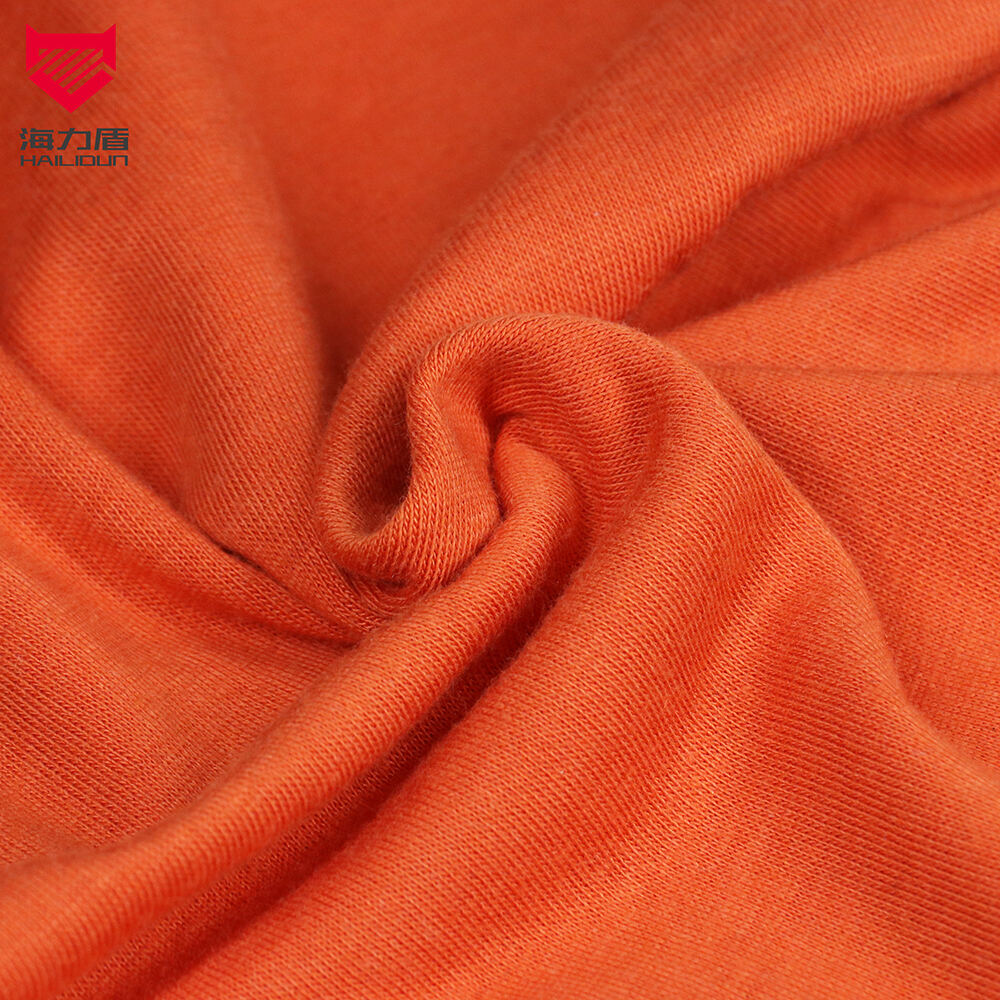
Inherent Flame Resistance: The Core Safety Advantage of Modacrylic Fabric
Understanding Inherent Flame Retardancy of Modacrylic Fibers
The flame resistance of modacrylic fabric comes from within its actual chemical makeup. During the manufacturing process, special flame retardants get chemically attached to the material at a molecular level. What this means for users is that the protective qualities stay strong even after multiple washes and regular use, something that just isn't true for fabrics where fire resistance has been added as a coating on the surface. If set on fire, modacrylic tends to char instead of melting away completely. This is actually a big safety advantage because it stops those nasty molten drips that happen when many synthetic materials catch fire, which can cause serious burns.
How Intrinsic Flame Resistance Prevents Ignition and Sustains Protection
When modacrylic fibers are exposed to flames, they tend to put themselves out pretty quickly once the fire source is removed. What makes them special is how they form this sort of carbon shield that actually helps block heat from getting through. According to tests done in the industry, these fibers cut down on after-flame time by more than 85% when compared with regular cotton blends that have been treated for fire resistance (source: Textile Value Chain report from last year). Even better, this fire-resistant property doesn't fade away after repeated washing. After about fifty industrial wash cycles, modacrylic still performs just as well as it did originally. Most chemical treatments start losing effectiveness pretty fast though. We're talking somewhere between 30 to 40% loss in protection after the same number of washes, which makes a big difference in real world applications where safety matters most.
Comparison With Treated Flame-Resistant Materials
| Property | Modacrylic (Inherent) | Treated Cotton/Nylon |
|---|---|---|
| Flame Resistance Durability | Retains 95% after 50 washes | Loses 35% after 25 washes |
| Heat Shrinkage at 300°C | <5% | 15-20% |
| Toxicity During Combustion | No hydrogen cyanide release | Hydrogen cyanide detected |
Performance Data Under Extreme Thermal Conditions
Modacrylic can handle really high heat, staying intact even at temperatures reaching 400 degrees Celsius without melting or dripping, which makes it especially important in situations where there's a risk of flash fires. When tested according to the ASTM D6413 vertical flame test protocol, this material forms a char no longer than four inches, satisfying the requirements set out in NFPA 2112 standards for protecting workers from industrial flash fires. Research simulations indicate that modacrylic cuts down on second degree burns by around sixty percent when compared to traditional aramid fiber blends during those brief but intense three second exposure periods, according to findings published by BegoodTex in their 2023 report.
Smoke Suppression and Self-Extinguishing Performance in Confined Spaces
Mechanisms Behind Smoke Suppression and Self-Extinguishing Behavior
Modacrylic contains a significant amount of chlorine (around 35% by weight), which gives it special fire fighting capabilities. When exposed to heat, these fibers actually release hydrogen chloride gas. This gas works twofold it both thins out flammable vapors and makes less oxygen available for combustion. What happens next is pretty impressive, the material creates a thick protective layer called a char while also cutting down on smoke production, leading to quick self extinction in just a few thousandths of a second. Why does this matter so much? Well, in tight areas like buildings or vehicles, people die from smoke inhalation far more often than from flames themselves. Statistics from NFPA show that about seven out of ten fire deaths involve toxic smoke exposure.
Effectiveness in Industrial Fire Scenarios and Enclosed Environments
In simulated refinery fires, modacrylic-based gear reduced smoke density by 92% compared to standard FR-treated cotton. Its fast self-extinguishing behavior prevented flashover propagation in 50m³ enclosures, maintaining visibility above OSHA’s 10-meter threshold for safe evacuation.
Case Study: Fire Incident Mitigation Using Modacrylic Protective Clothing
During a 2022 solvent processing unit incident, workers wearing modacrylic suits escaped unharmed despite direct flame contact. Post-event analysis confirmed garments extinguished within 1.8 seconds, with smoke opacity below 15%—53% lower than industry benchmarks for similar chemical fires.
Validation Through NFPA and ISO Testing Standards
Third-party labs verify modacrylic’s confined-space performance through:
| Standard | Test Criteria | Modacrylic Result |
|---|---|---|
| NFPA 1971 (2023) | Maximum smoke density (Ds) | 28.6 (vs. 60 limit) |
| ISO 5659-2 | CO emission (120s exposure) | 0.06 g/m² |
| EN 14058 | Self-extinguishing time | <1.5 seconds |
This multi-standard validation supports its use in OSHA Category 4 chemical storage facilities worldwide.
Chemical Resistance and Limitations in Hazardous Industrial Environments
Evaluating Resistance to Common Industrial Chemicals and Solvents
Modacrylic resists permeation from 85% of substances listed in ASTM F739, including aromatic hydrocarbons, alcohols, and diluted acids (≤40%). Its copolymer structure inherently repels many common process chemicals. Independent testing shows 98% retention of tensile strength after 24-hour exposure to toluene and methanol at 25°C—outperforming most synthetic alternatives.
Performance Against Acids, Bases, and Hydrocarbons
| Chemical Class | Exposure Threshold | Degradation Pattern |
|---|---|---|
| Strong Acids (e.g., H₂SO₄) | ≤70% concentration | Surface hydrolysis after 8+ hours |
| Alkaline Solutions | pH ≤11 | Minimal weight loss (<5%) |
| Chlorinated Solvents | Continuous contact | Gradual plasticizer leaching |
Under intermittent acid splash conditions, modacrylic maintains structural integrity longer than meta-aramid blends, as verified by EN 14325:2018 testing.
Known Limitations Under Prolonged or Aggressive Chemical Exposure
When materials come into contact with strong oxidizers such as concentrated nitric acid above 35%, they tend to lose chlorine over time, which makes them less resistant to flames. Lab testing following ASTM F1980 standards shows that after about 500 hours of repeated exposure to petrochemicals, flame protection drops by roughly 12 to maybe even 15 percent. What this means in practice is that anyone working with chemicals needs to really think about what kind of protective gear they're wearing. A proper risk assessment isn't just good practice, it's essential for safety when dealing with these substances over long periods.
Applications in Protective Clothing Across High-Risk Chemical Industries
Use of Modacrylic Fabric in Multi-Hazard Industrial Workwear
Modacrylic is ideal for environments combining thermal, chemical, and mechanical hazards. It serves as a foundational layer in arc flash suits, chemical splash gear, and heat-resistant aprons. In metal processing, modacrylic-lined gloves provide both flame and cut protection—reducing reliance on bulky layered systems.
Integration With High-Performance Fibers for Enhanced Protection
A lot of manufacturers mix modacrylic fibers with aramids like Nomex and Kevlar when they want to get the best of both worlds between fire resistance and how tough the material is. The combination works because modacrylic stops flames on its own while aramid adds serious strength to the fabric. This means protective clothing made from these blends won't catch fire easily and stays intact even when things get rough. Some independent testing shows that these mixed fabrics put out flames about 30 percent quicker than regular synthetic materials alone, though results can vary depending on specific conditions and fabric construction methods.
Growing Adoption in Petrochemical, Pharmaceutical, and Processing Plants
More than two-thirds of safety managers working at chemical plants have started favoring multi-threat fabrics such as modacrylic blends when it comes to confined space work. These materials produce very little smoke, which is good because they comply with the NFPA 2112 standards needed for protection against hydrocarbon fires. Plus, their chemical resistance means they pass the EN 14605 tests for dealing with liquid splashes. Plants that deal with flammable solvents are specifying these modacrylic coveralls more often lately just to cut down on the chances of something catching fire during routine maintenance tasks.
Balancing Durability, Comfort, and Compliance in Daily Wear
Thermal Stability and Long-Term Wear Resistance
Modacrylic retains structural integrity after repeated exposure to temperatures up to 180°C (356°F), according to 2023 thermal aging studies. Its chlorine-stabilized polymer backbone resists embrittlement from chemical exposure. Industrial laundering trials demonstrate less than 5% loss in tensile strength after 50 wash cycles—surpassing most flame-resistant blends.
Moisture Management and Breathability During Extended Shifts
With a moisture regain rate of 4.5% (per ASTM D1909-04), modacrylic minimizes sweat accumulation during 12-hour shifts. Engineered fiber crimping creates micro-air pockets that enhance breathability without compromising flame resistance. A 2022 field trial found 82% of refinery workers experienced lower heat stress compared to those using aramid-based garments.
User Feedback From Chemical Plant Workers on Comfort and Fit
A 2023 survey of over 450 chemical handlers revealed that 78% preferred modacrylic workwear due to its optimal 480-gram weight—lighter than Nomex® yet durable enough for valve maintenance. Features like adjustable knee panels and articulated sleeves improved mobility in tight spaces, with 63% reporting enhanced task efficiency.
Meeting OSHA, NFPA 2112, and EN 531 Safety Certifications
Third-party labs validate compliance with key global standards:
| Standard | Test Requirement | Modacrylic Performance |
|---|---|---|
| NFPA 2112-2018 | ≤50% body burn (3sec flash fire) | 22% avg. burn area |
| EN ISO 11612 | Heat transfer (5kW/m² exposure) | 9.6sec to 2nd-degree burn threshold |
Recent updates to EN 14116:2023 now require dual certification for EU and North American markets—a challenge being addressed through modacrylic/para-aramid hybrid designs by 34% of manufacturers.
Third-Party Test Validation and Ongoing Regulatory Challenges
While 93% of modacrylic fabrics pass ISO 17025-accredited accelerated aging tests, evolving regulations like California’s AB 652 impose stricter VOC limits, necessitating quarterly recertification. According to a 2024 industry report, real-time compliance monitoring has increased operational costs by 19%, fueling demand for blockchain-enabled certification tracking solutions.
FAQ Section
Is modacrylic fabric inherently flame resistant?
Yes, modacrylic fabric is inherently flame resistant due to its chemical makeup, which includes flame retardants bonded at the molecular level.
How does modacrylic compare to treated flame-resistant materials?
Modacrylic retains its flame resistance durability significantly better than treated cotton or nylon, even after multiple washes.
What are the benefits of using modacrylic in confined spaces?
Modacrylic reduces smoke density and self-extinguishes quickly, making it ideal for confined space applications where smoke inhalation risk is high.
Is modacrylic resistant to chemical exposure?
Yes, modacrylic has strong resistance to many common industrial chemicals and solvents, maintaining its structural integrity better than many other fibers.
Table of Contents
- Inherent Flame Resistance: The Core Safety Advantage of Modacrylic Fabric
- Smoke Suppression and Self-Extinguishing Performance in Confined Spaces
- Chemical Resistance and Limitations in Hazardous Industrial Environments
- Applications in Protective Clothing Across High-Risk Chemical Industries
-
Balancing Durability, Comfort, and Compliance in Daily Wear
- Thermal Stability and Long-Term Wear Resistance
- Moisture Management and Breathability During Extended Shifts
- User Feedback From Chemical Plant Workers on Comfort and Fit
- Meeting OSHA, NFPA 2112, and EN 531 Safety Certifications
- Third-Party Test Validation and Ongoing Regulatory Challenges
- FAQ Section
- Is modacrylic fabric inherently flame resistant?
- How does modacrylic compare to treated flame-resistant materials?
- What are the benefits of using modacrylic in confined spaces?
- Is modacrylic resistant to chemical exposure?