 ×
×
When sourcing flame-resistant (FR) textiles for protective workwear, one of the most critical decisions procurement teams face is whether to specify inherently flame-resistant or chemically treated fabrics. Both claim to protect workers from thermal hazards, but the mechanism behind their FR performance — and how that performance holds up over the garment's lifetime — is fundamentally different. This question is especially important for PPE program managers who need to manage long-term compliance risk, not just upfront fabric cost.
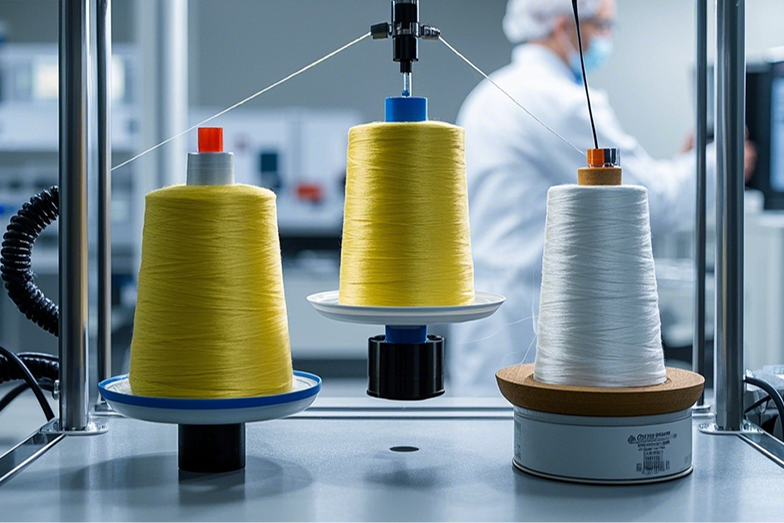
Inherently flame-resistant fabrics (IFR) are made from fibers whose FR properties are built into the polymer chain at the molecular level. The fiber itself will not ignite in normal atmospheric oxygen concentrations. When exposed to flame, it chars and self-extinguishes — and this behavior can never be washed out or worn away because it is part of the fiber's chemical identity. Common IFR fibers include:
Treated FR fabrics start as naturally flammable fibers — typically cotton or cotton/nylon blends — and are then immersed in a chemical treatment bath that bonds flame-retardant compounds to the fiber surface. The most common treated fabrics include:
The critical point: on an IFR fabric, the FR property is the fiber itself. On a treated fabric, the FR property is a chemical coating applied to the fiber.
| Criterion | Inherent FR (Aramid, Modacrylic) | Treated FR (Cotton, Cotton/Nylon) |
|---|---|---|
| FR origin | Built into polymer chain | Chemical finish applied post-weaving |
| FR durability | Permanent; never washes out | Varies — some last life of garment; others degrade with laundering |
| Thermal Protective Performance (TPP) | Typically higher | Moderate; often achieved via heavier fabric weight |
| Char behavior | Chars and forms insulating barrier | Chars (modern treated); older treatments may combust |
| Service life | Long — often outlasts garment itself | Shorter; wear and laundering gradually reduce protection |
| Visual FR verification | Not needed — fiber is inherently FR | Not possible — no visible sign when FR is compromised |
| Comfort / hand feel | Can feel slightly stiffer; modacrylic softer | Generally softer, more cotton-like |
| Weight at equivalent protection | Lighter | Often heavier (uses mass for TPP) |
| Upfront cost | Higher | Lower |
| Total cost of ownership | Lower (longer life, fewer replacements) | Higher (more frequent replacement) |
This is where the distinction matters most. An inherently FR garment will perform on wash cycle #200 the same way it did on day one. The FR property is the fiber — it cannot degrade.
A treated FR garment, however, depends on the integrity of its chemical finish. Modern treated fabrics (especially those from established mills like Westex Ultra Soft or Mount Vernon Mills Amtex) are engineered to retain FR properties for the useful life of the garment. But this guarantee comes with strict conditions:
If any of these conditions are violated — intentionally or accidentally — the garment's FR capability may be compromised with no visible indication. For a safety manager, this is a genuine compliance risk.
Both IFR and treated FR fabrics can be certified to the same international standards if they pass the required tests. The material type is less important than the test certification. Key standards include:
| Standard | Scope |
|---|---|
| EN ISO 11612 | Protective clothing against heat and flame (Europe) |
| NFPA 2112 | Flash fire protection for industrial personnel (USA) |
| ASTM F1506 / NFPA 70E | Arc-rated protective clothing |
| EN ISO 11611 | Protective clothing for welding |
| OEKO-TEX Standard 100 | Harmful substance verification |
Always request third-party test reports — not just a certificate — to verify that the specific fabric lot meets the claimed rating.
The core difference is not about which fabric type provides better protection on day one — both can meet the same standards. The real question is: will the protection still be there on day 365?
For safety-critical applications where failure is not an option, inherent FR is the standard. For cost-sensitive applications with well-controlled wash protocols, treated FR can be a defensible choice — provided you have a documented laundering SOP and enforce it rigorously.
Mingda Textile specializes in inherently flame-resistant yarns and fabrics — including meta-aramid, para-aramid, and modacrylic — for protective apparel manufacturers worldwide. Contact us for technical data sheets, lab test reports, and customized fabric recommendations backed by 40 years of textile expertise.

 EN
EN



 Hot News