 ×
×
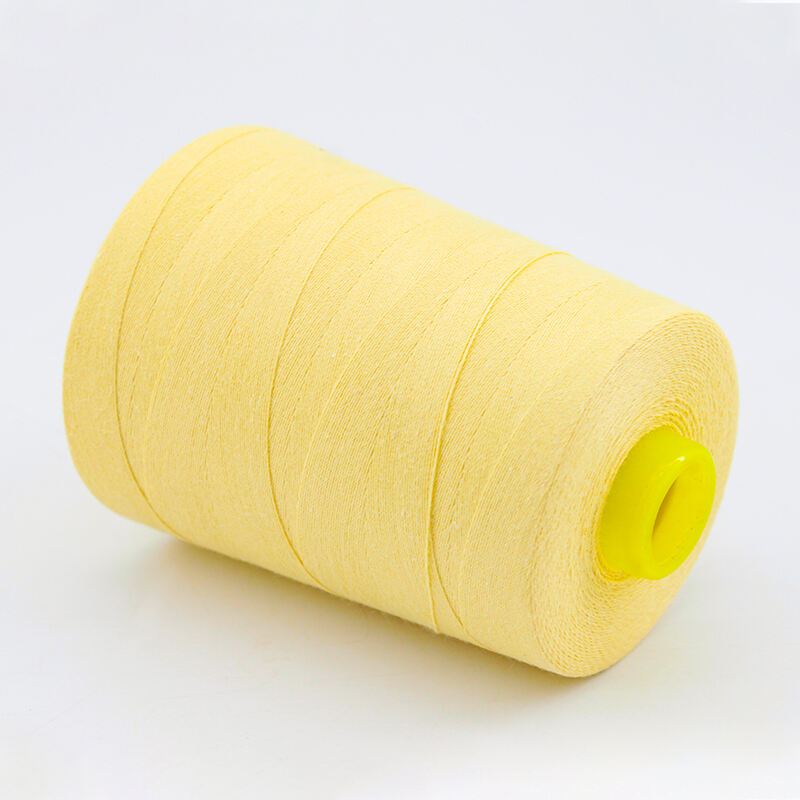
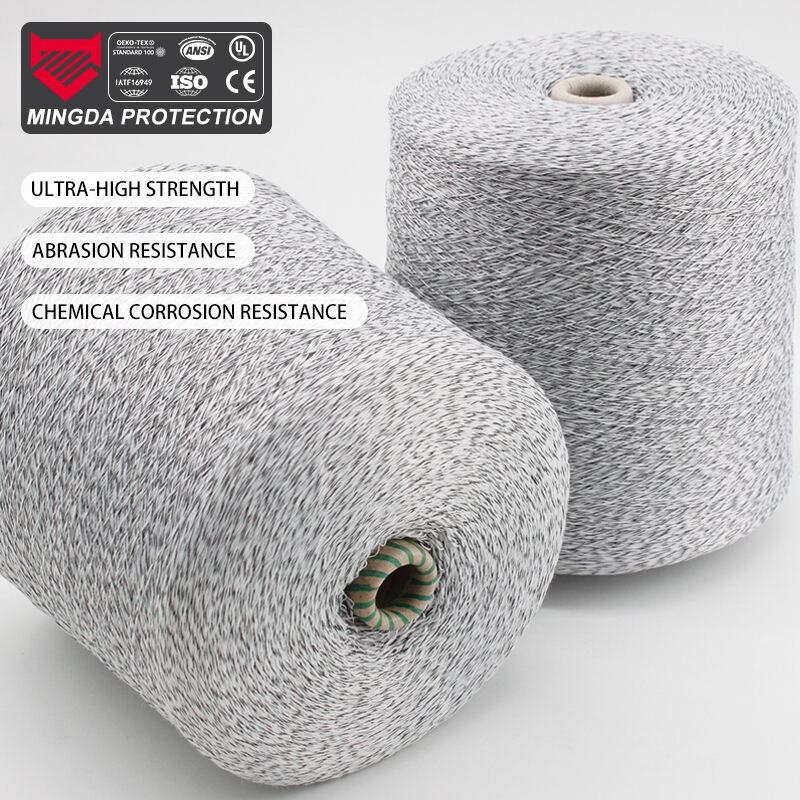
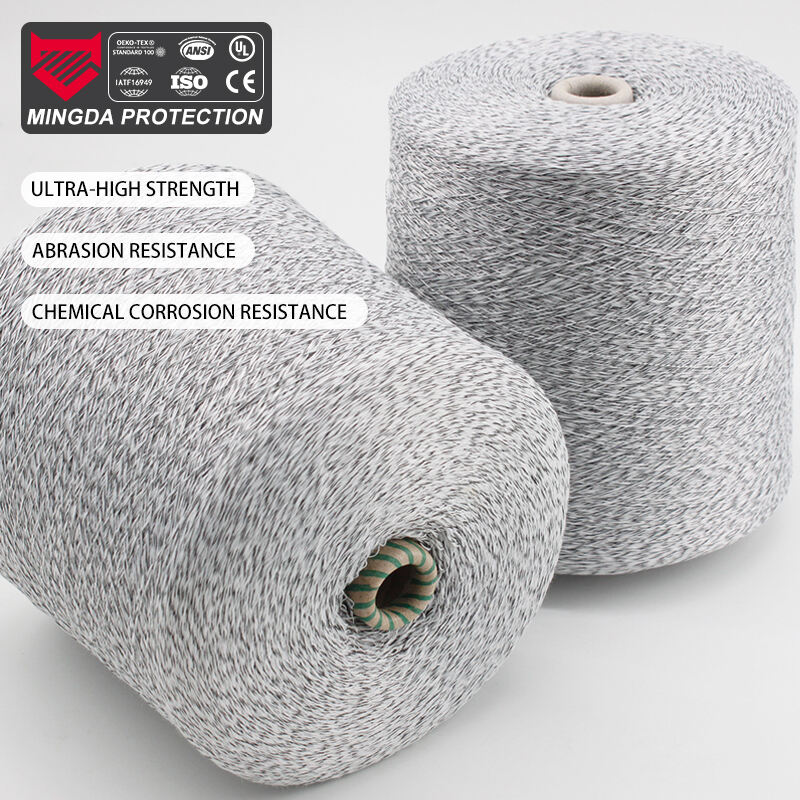
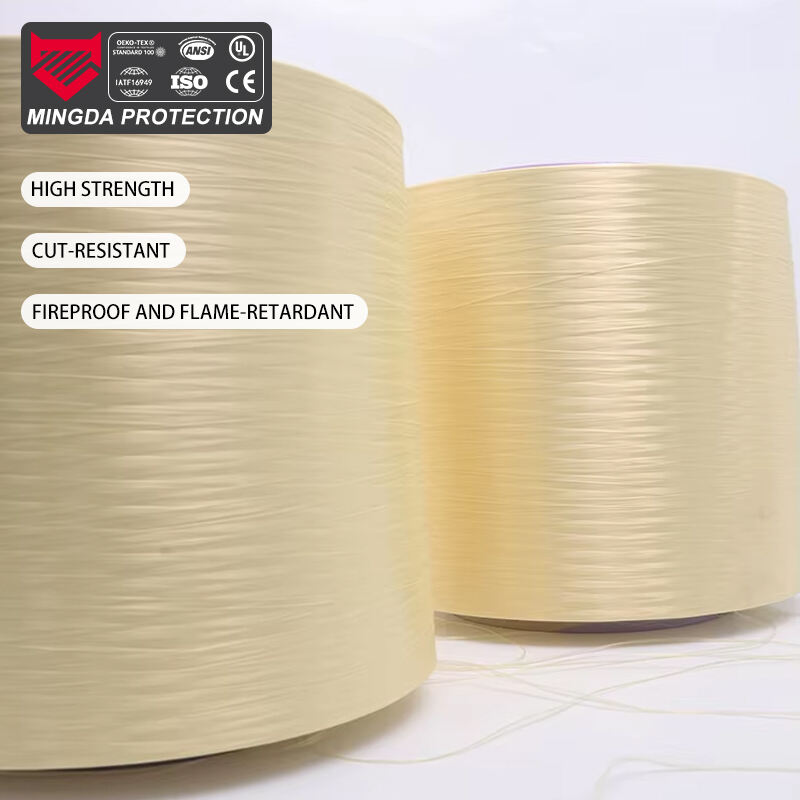
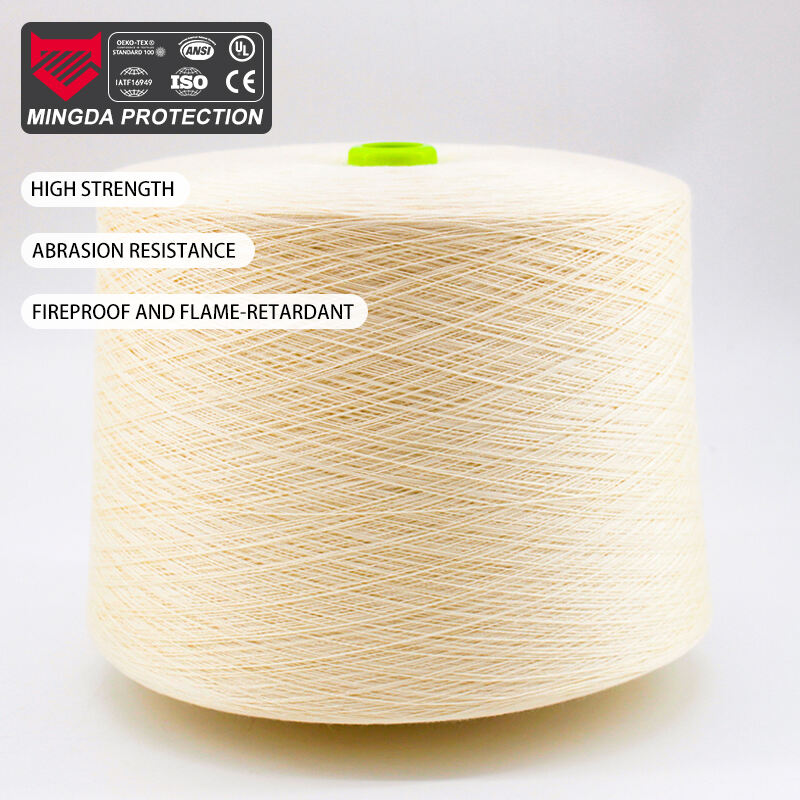
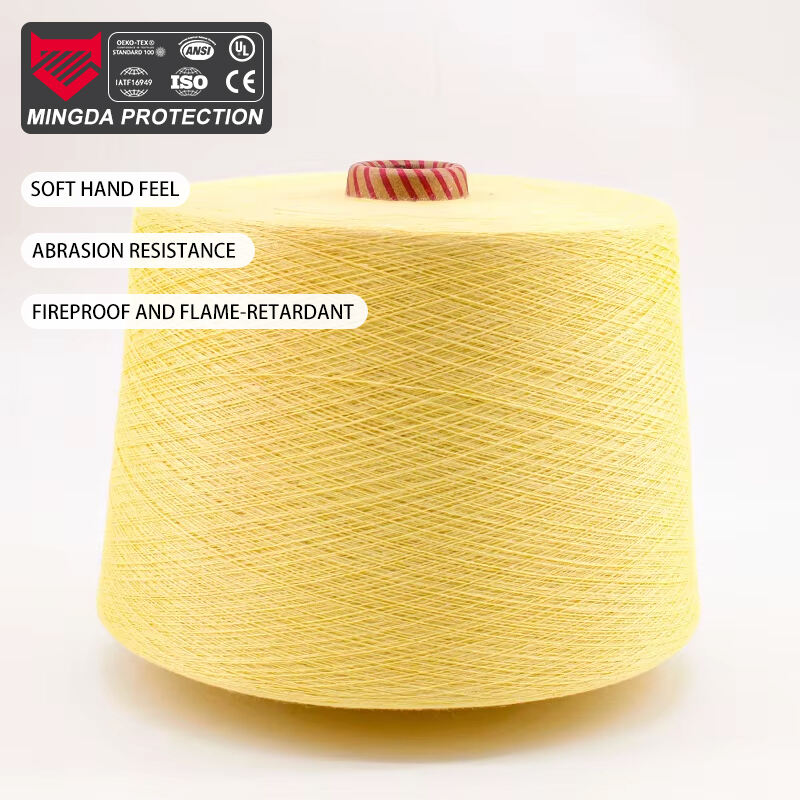
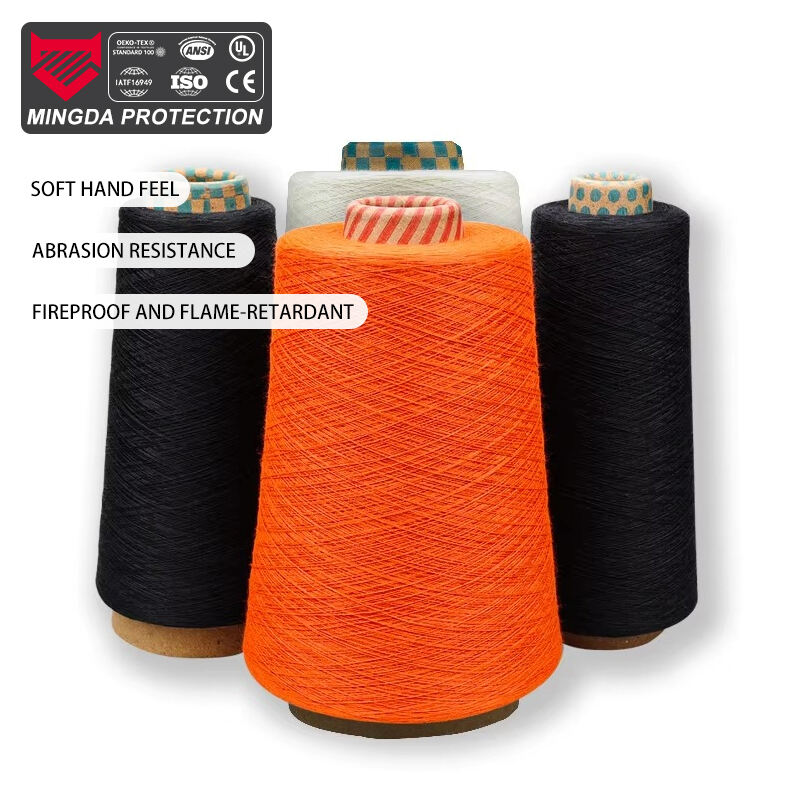
Aramid yarn, a high-performance technical fiber, is renowned for its exceptional properties that make it indispensable in various industrial and personal protection applications. Aramid yarns are synthesized from aromatic polyamide polymers, which impart them with remarkable strength, heat resistance, and chemical stability. One of the most prominent characteristics of aramid yarn is its high tensile strength, which is 5-6 times that of steel wire on a weight-for-weight basis. This makes it an ideal choice for applications requiring high-strength materials, such as in the production of bulletproof vests, where the yarn is woven into fabrics that can stop bullets and shrapnel. Additionally, aramid yarn exhibits excellent thermal stability, withstanding continuous temperatures of 200-300C, and in some variants like Nomex, up to 260C. This property is crucial in applications like firefighting gear, where the yarn is used to create flame-resistant fabrics that protect firefighters from intense heat and flames. Aramid yarn is also lightweight, with a density of only 1.44g/cm, making it suitable for applications where weight reduction is critical, such as in aerospace and automotive industries. Its resistance to chemical corrosion ensures that it maintains its integrity even in harsh chemical environments, making it useful in the petrochemical and chemical processing industries. Aramid yarn is also used in the production of sewing threads for high-strength stitching in safety equipment and outdoor gear, ensuring that seams remain intact under stress. Furthermore, aramid yarn's non-flammable nature and its tendency not to melt or drip when exposed to fire make it an essential component in protective clothing for military personnel, SWAT teams, and industrial workers exposed to potential fire hazards. In the metallurgy sector, aramid yarn is used to manufacture gloves and sleeves that protect workers from high temperatures and molten metal splashes. Its application extends to the coal mining industry, where it provides protection against cuts and abrasions from rough surfaces and sharp objects. In the aviation industry, aramid yarn is used in the production of aircraft interior components, such as seat covers and cargo liners, due to its flame-retardant properties and lightweight nature. Overall, aramid yarn's unique combination of properties makes it a versatile and valuable material in a wide range of high-performance applications, ensuring safety and durability in demanding environments.
12
Jul
29
Sep
30
Oct
18
Nov

 EN
EN