 ×
×
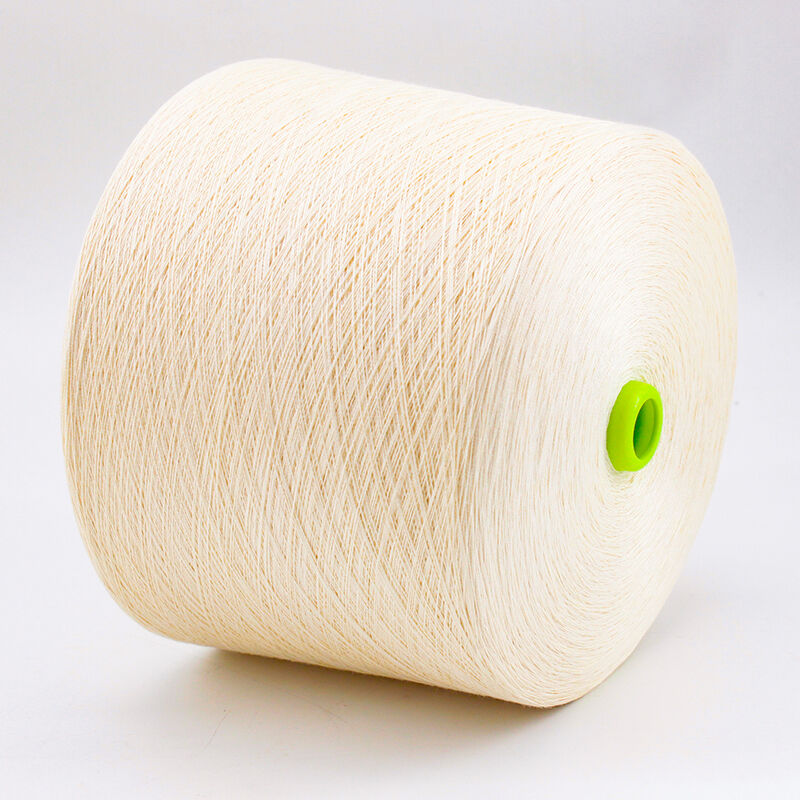
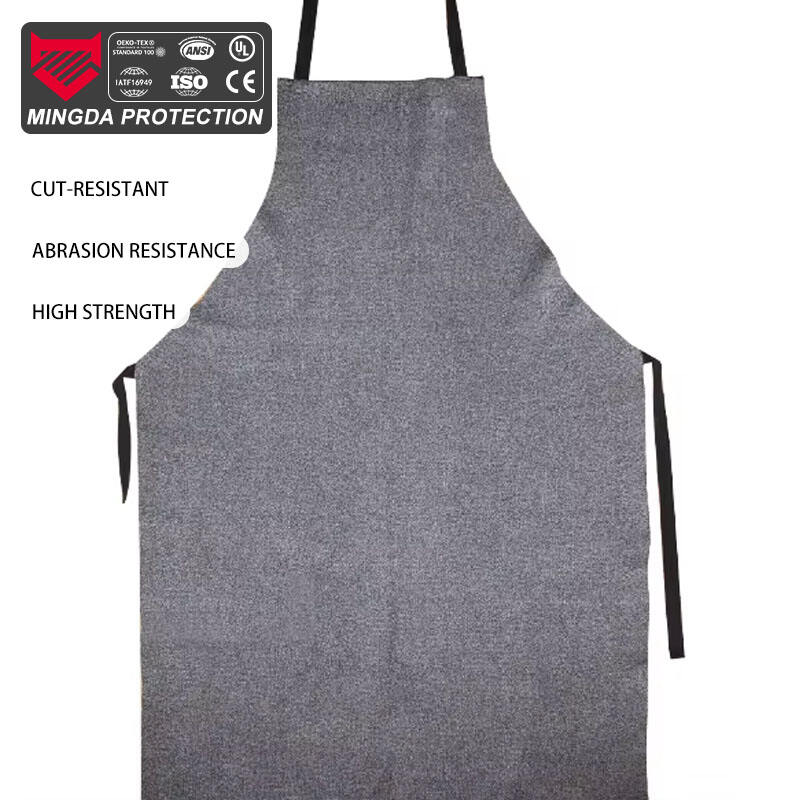
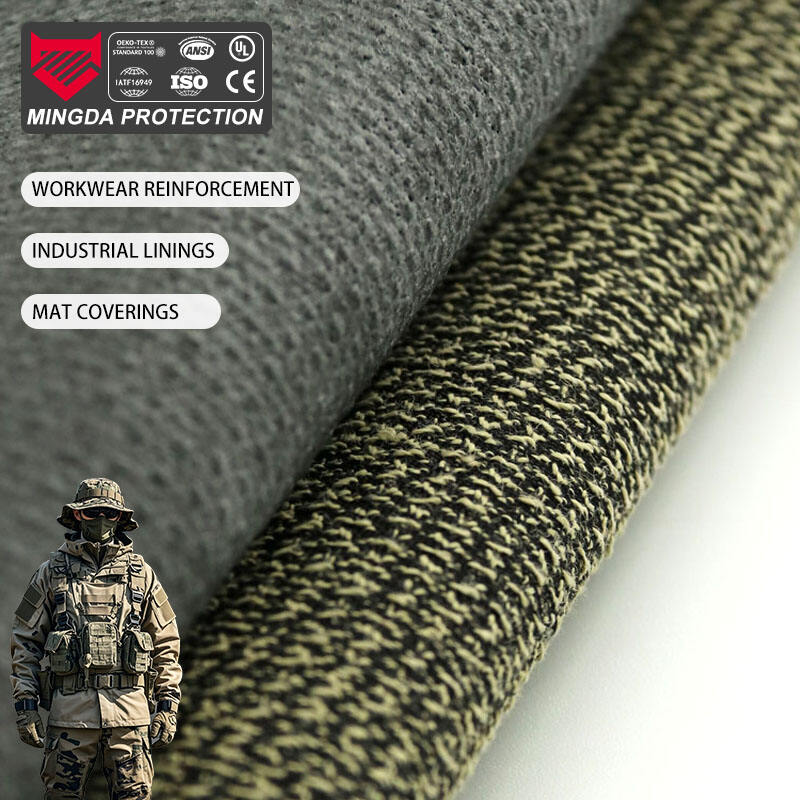
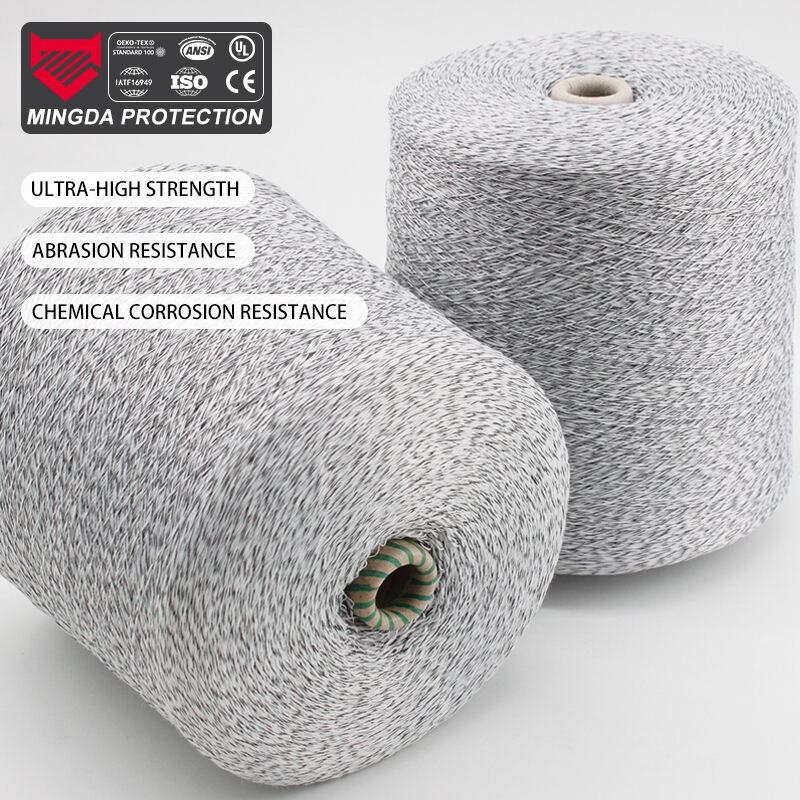
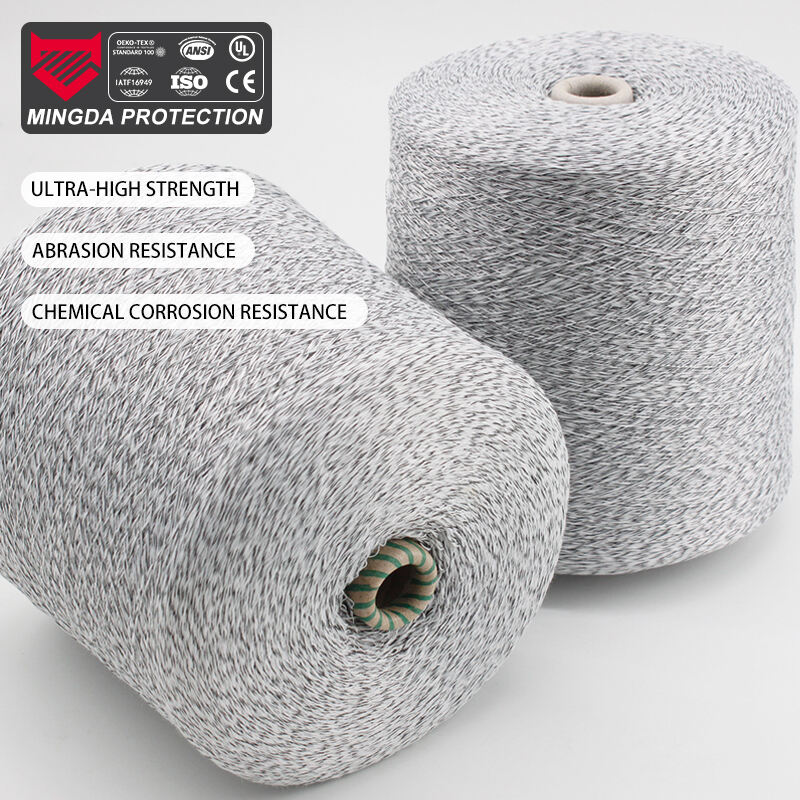
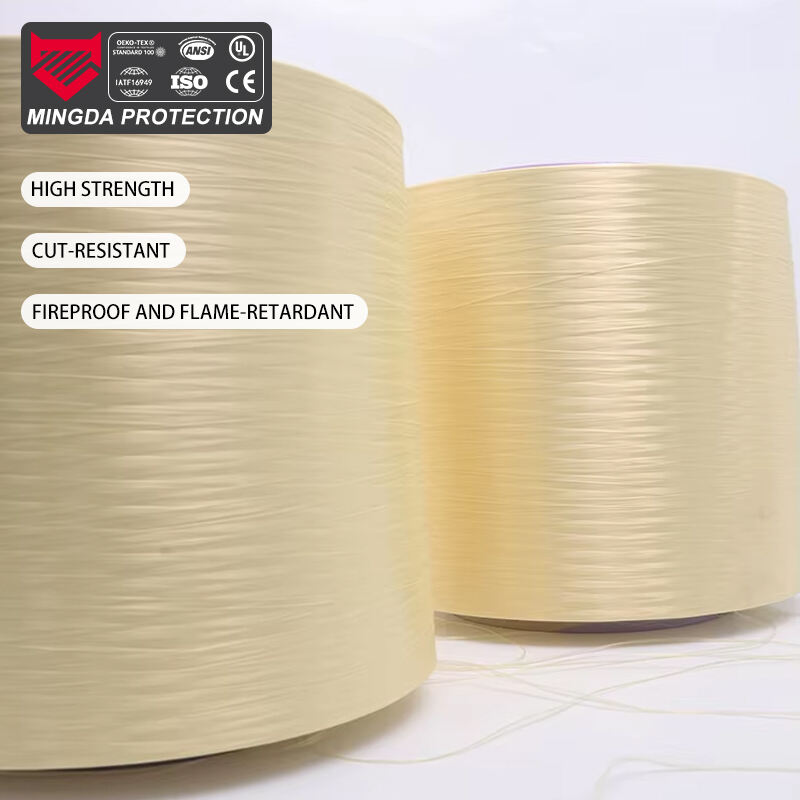
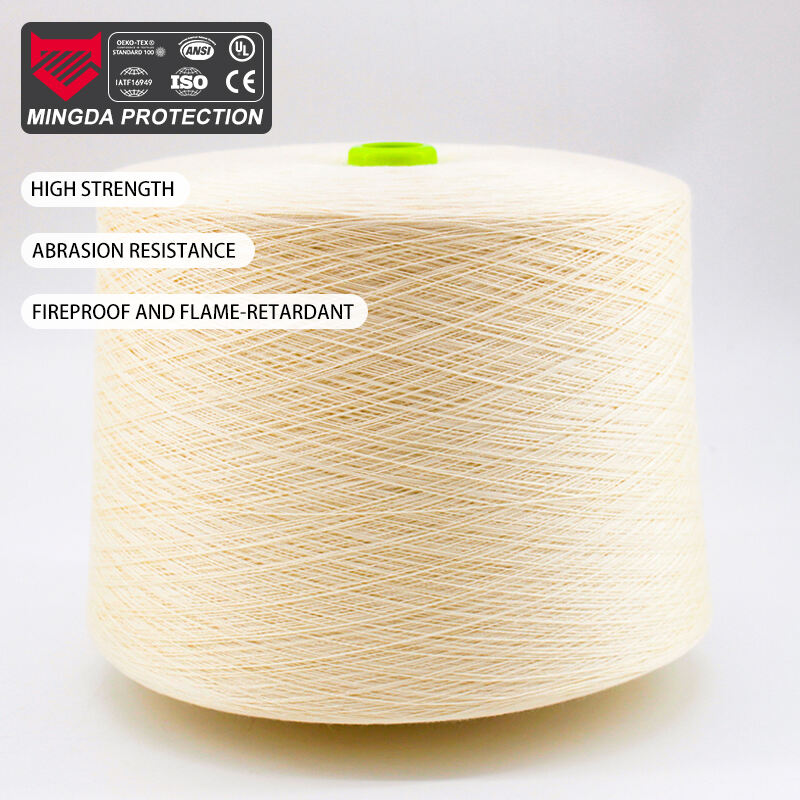
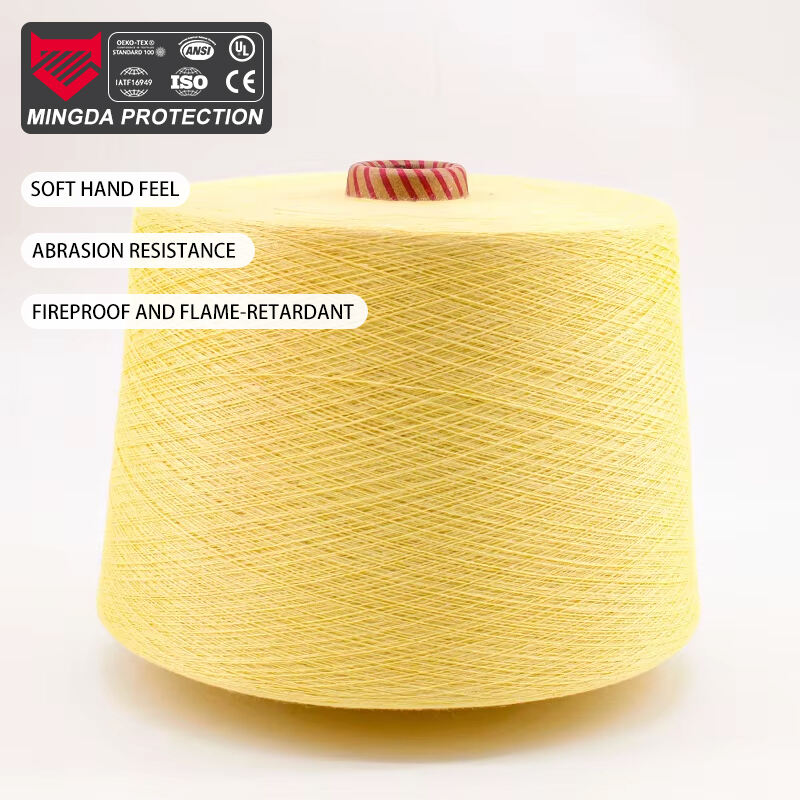
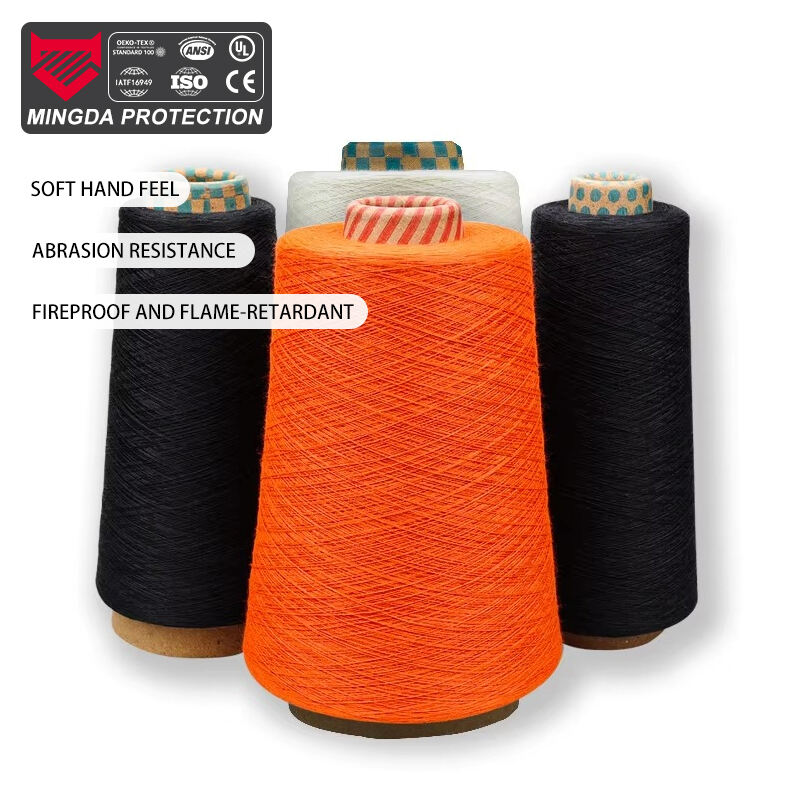
Aramid yarn, a synthetic fiber derived from aromatic polyamides, is a material of choice for applications demanding high strength, thermal resistance, and chemical stability. The unique molecular structure of aramid fibers imparts them with exceptional properties that set them apart from conventional textiles. Aramid yarn's high tensile strength, which is significantly higher than that of steel wire on an equal weight basis, makes it an ideal material for applications requiring robust and durable components. This strength is harnessed in the production of ballistic-resistant fabrics used in bulletproof vests and helmets, where the yarn's ability to absorb and disperse energy from projectiles provides life-saving protection to military personnel and law enforcement officers. The thermal resistance of aramid yarn is another key attribute that expands its range of applications. Aramid fibers can withstand continuous exposure to high temperatures without losing their structural integrity, making them suitable for use in protective clothing for firefighters and industrial workers. Firefighting gear made from aramid yarn offers superior flame resistance, protecting firefighters from the intense heat and flames encountered during firefighting operations. Similarly, in the metallurgical industry, aramid yarn is used to manufacture gloves and aprons that shield workers from molten metal splashes and high-temperature surfaces. Aramid yarn's chemical resistance is also noteworthy, as it remains stable in the presence of a wide range of chemicals, including acids, bases, and solvents. This property makes it an excellent choice for applications in the chemical processing and petrochemical industries, where protective clothing made from aramid yarn safeguards workers from accidental spills and exposure to hazardous substances. The lightweight nature of aramid yarn, combined with its strength and thermal resistance, makes it an attractive option for aerospace applications. Aramid yarn is used in the production of composite materials for aircraft components, such as wings, fuselages, and control surfaces, where its high strength-to-weight ratio contributes to improved fuel efficiency and payload capacity. In the field of personal protective equipment, aramid yarn finds application in the manufacture of cut-resistant gloves and sleeves. These garments are essential for workers in industries such as glass handling, metal fabrication, and automotive manufacturing, where the risk of cuts and lacerations is high. The yarn's ability to resist cutting and abrasion ensures that PPE made from aramid yarn provides reliable protection, reducing the risk of workplace injuries. Additionally, aramid yarn's non-conductive properties make it suitable for use in electrical and electronic applications, where it can be used to create insulating materials that prevent electrical shocks and short circuits. Overall, aramid yarn's combination of high strength, thermal resistance, chemical stability, and lightweight nature makes it a versatile and valuable material in a wide range of high-performance applications, ensuring safety, durability, and efficiency in demanding environments.

12
Jul
29
Sep
21
Oct
30
Oct

 EN
EN