 ×
×
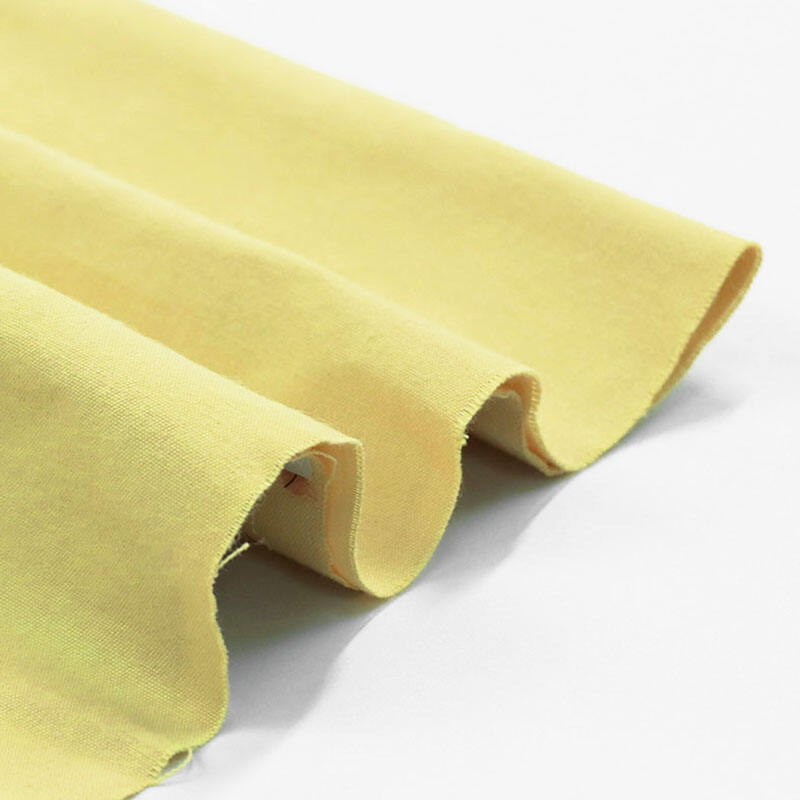
What Is Aramid Fabric? Chemical Structure and Key Physical PropertiesMolecular Composition: Aromatic Polyamide BackboneAramid fabric—named for its aromatic polyamide chemistry—features rigid benzene rings directly linked to amide groups (–CO–NH–) in ...
VIEW MORE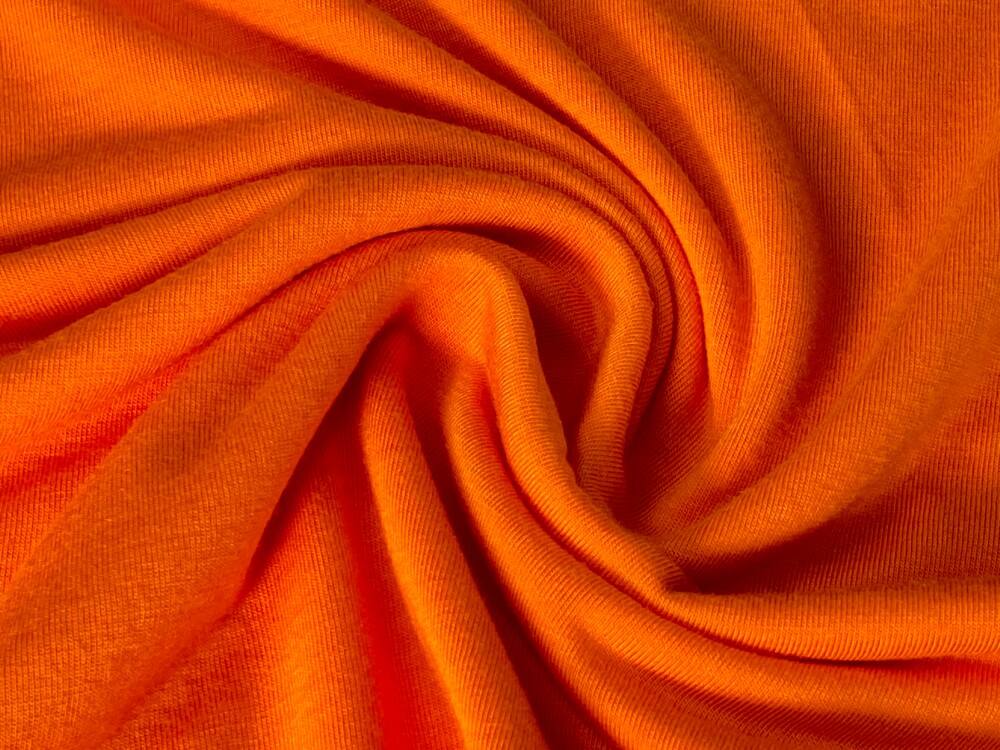
Inherent Flame Resistance: Built-In Protection Without CompromiseModacrylic fabric delivers inherent flame resistance through its molecular structure—eliminating reliance on topical treatments that degrade over time. This permanent protection ensures...
VIEW MORE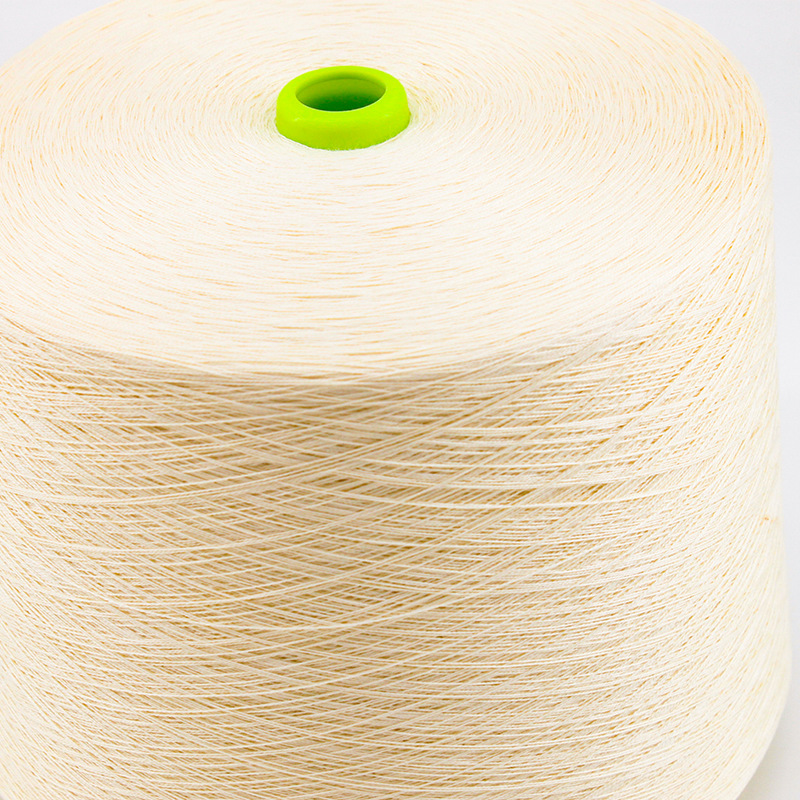
What Is Flame Retardant Yarn? Definition, Standards, and Core Performance Metrics Flame retardant yarn is engineered to resist ignition, slow combustion, and self-extinguish when exposed to flames or high heat. Unlike conventional textiles, these yar...
VIEW MORE
Inherent Flame Retardancy: The Core Advantage of Modacrylic YarnGas-phase inhibition and high LOI: How modacrylic achieves intrinsic flame resistanceModacrylic yarn delivers unmatched fire protection through its unique gas-phase flame inhibition mech...
VIEW MORE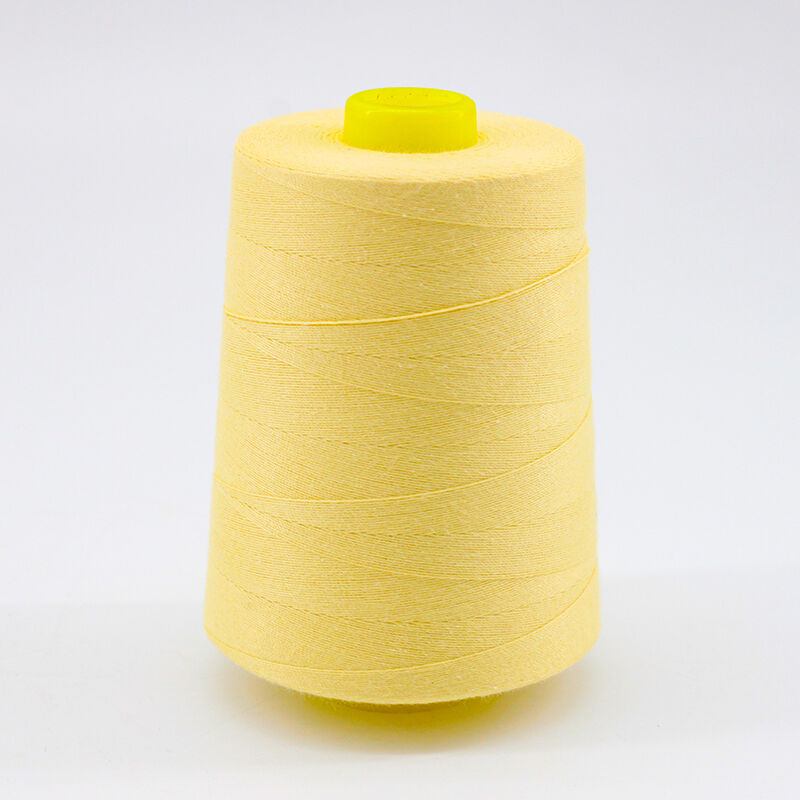
Arc Flash and Flash Fire Protection with Aramid YarnInherent Flame Resistance of Meta-Aramid YarnMeta-aramid yarn delivers permanent, inherent flame resistance—no chemical treatments required. Its stable molecular structure prevents ignition and ensu...
VIEW MORE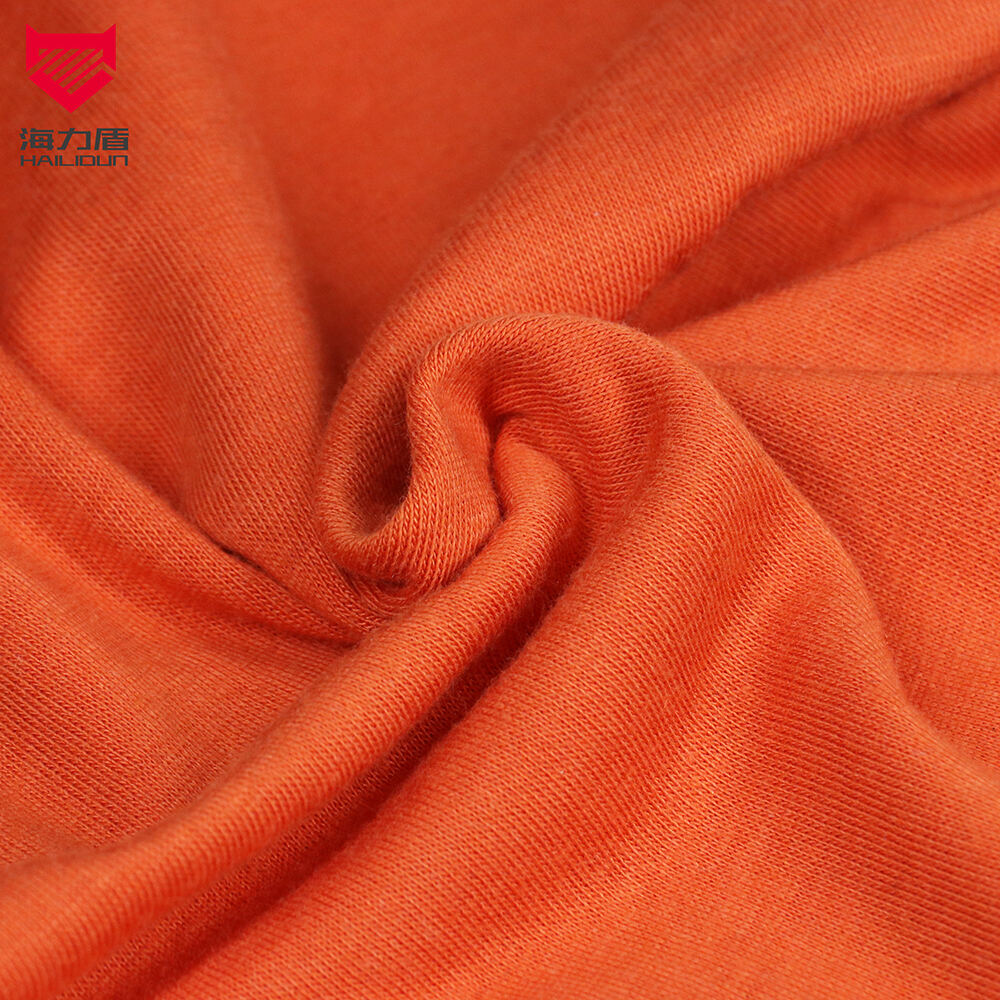
Why Modacrylic Fabric Delivers True Inherent Flame ResistanceHalogen-Based Polymer Chemistry: The Molecular Foundation of Non-FlammabilityWhat makes modacrylic fabric so fire resistant? The answer lies in its special polymer structure packed with hal...
VIEW MORE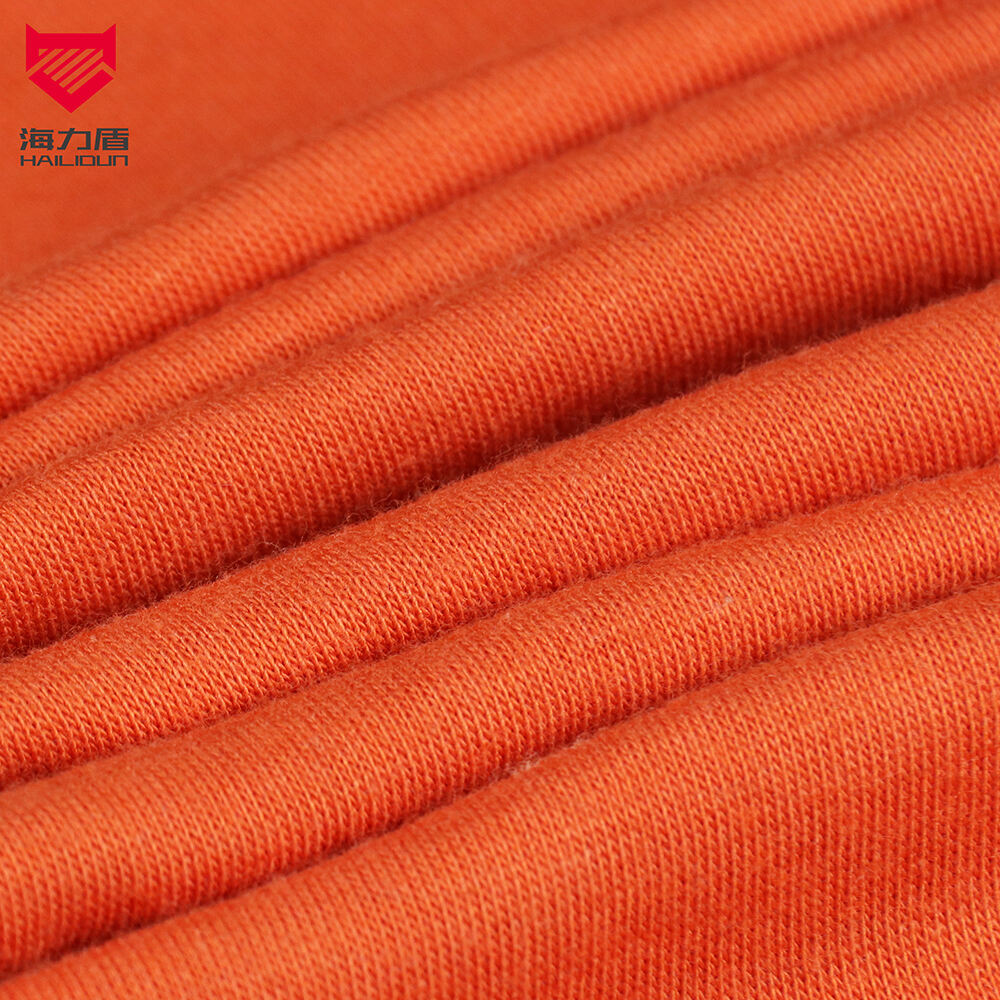
Modacrylic Yarn Defined: Synthetic Composition and Key DifferentiatorsChemical Structure: Acrylonitrile + Vinyl Halide Copolymers Modacrylic yarn comes from a synthetic copolymer made up of between 35% and 85% acrylonitrile mixed with vinyl halides, ...
VIEW MORE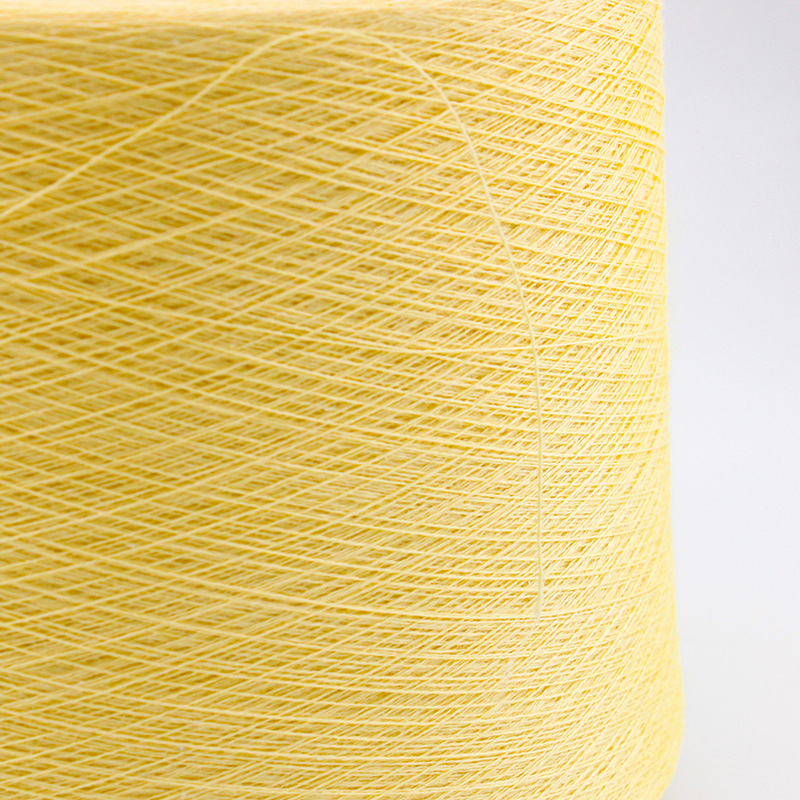
Chemical Treatment vs. Intrinsic Design: How Flame Retardant Yarn Achieves Lasting Protection Polymer-Level Engineering: How Permanent Flame Retardant Yarn Embeds FR Chemistry into the Fiber Backbone Real flame resistance starts at the molecular lev...
VIEW MORE
Aramid Yarn Explained: Chemistry, Structure, and Core IdentityMolecular Foundation: Aromatic Polyamide Bonds and Rigid-Chain Architecture Aramid yarn gets its special properties from synthetic polyamide chains where at least 85% of those amide bonds ...
VIEW MORE
Inherent Flame Resistance: Why Modacrylic Fabric Eliminates Costly After-TreatmentsHow modacrylic fabric achieves permanent FR performance without chemical finishesThe flame resistant properties of modacrylic fabric come from its basic makeup as a sy...
VIEW MORE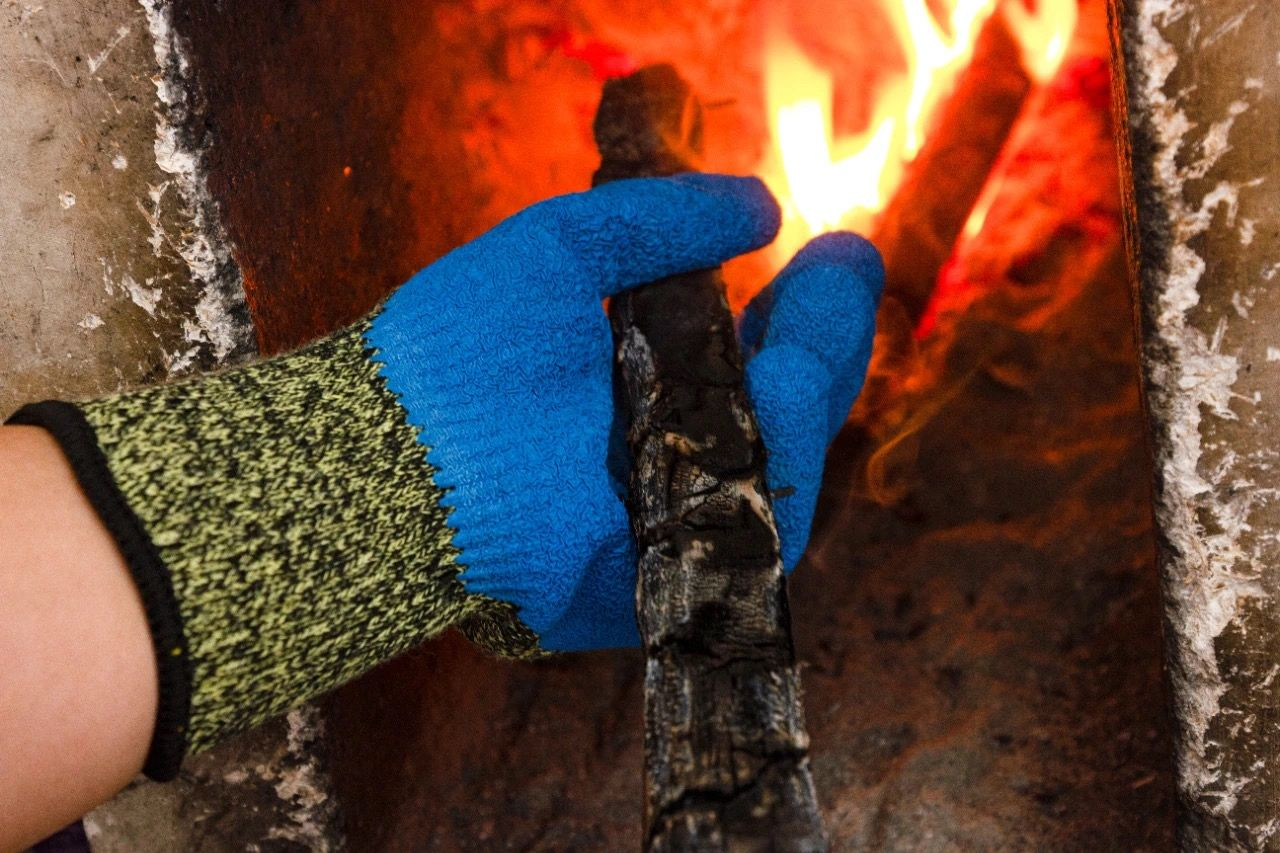
Match Protective Clothing to Your Specific Fire Hazard ProfileStructural, wildland, flash fire, arc flash, and USAR: key differences in exposure dynamics and risk severityWhen fighting structural fires, firefighters deal with extreme heat and actual ...
VIEW MORE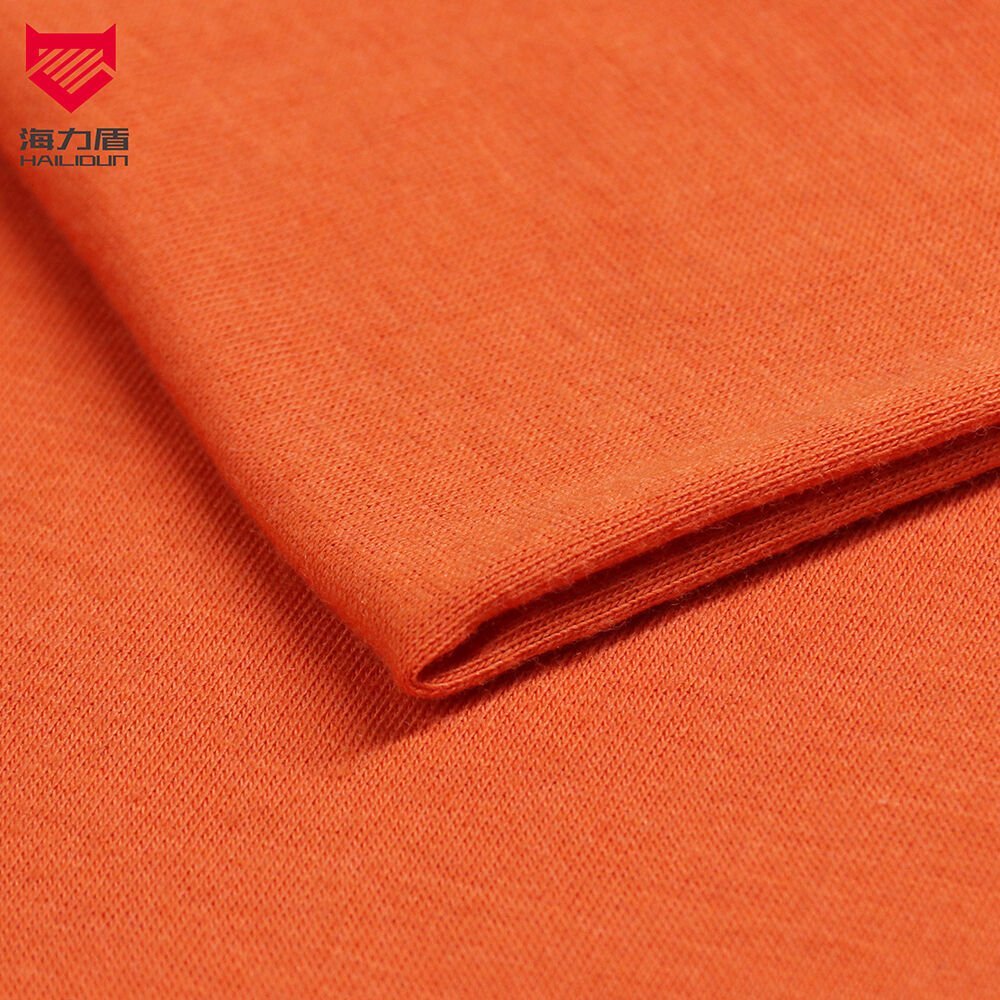
Inherent Flame Resistance: The Non-Negotiable Safety Foundation of Modacrylic FabricChemical Mechanism: Nitrogen-Driven Char Formation and Non-Flammable Gas ReleaseThe flame resistant properties of modacrylic fabric come from its nitrogen rich compos...
VIEW MORE
 EN
EN

