 ×
×

Inherent Flame Resistance and Lightweight Performance of Modacrylic YarnHow Modacrylic’s Chemical Structure Delivers Self-Extinguishing BehaviorModacrylic yarn gets its natural fire resistance from special chlorine containing polymers woven rig...
VIEW MORE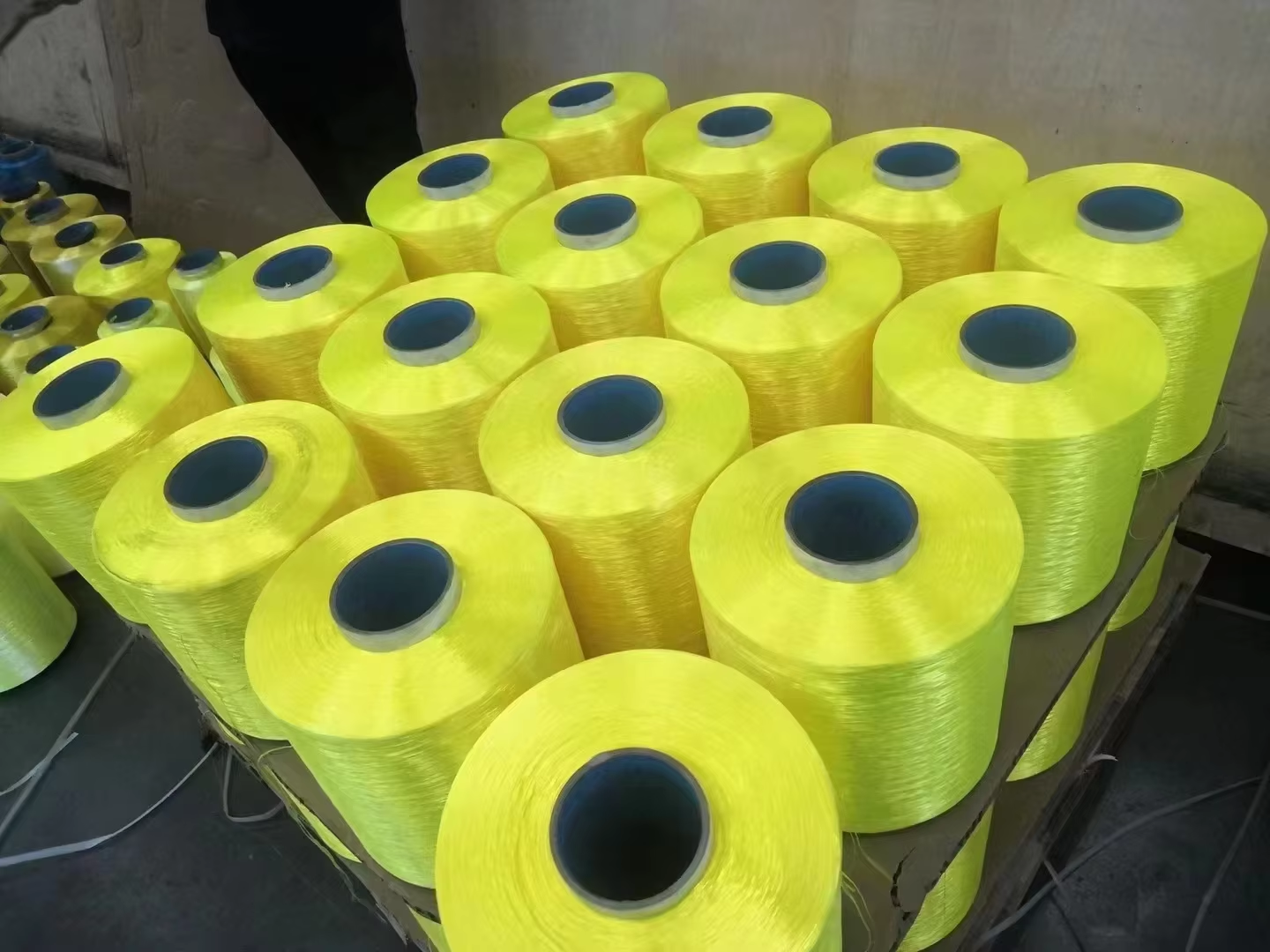
Unmatched Mechanical Protection: Aramid Yarn’s Strength, Cut, and Impact Resistance Tensile Strength and Energy Absorption in High-Impact Scenarios Aramid yarn has amazing tensile strength, actually about five times stronger than steel when co...
VIEW MORE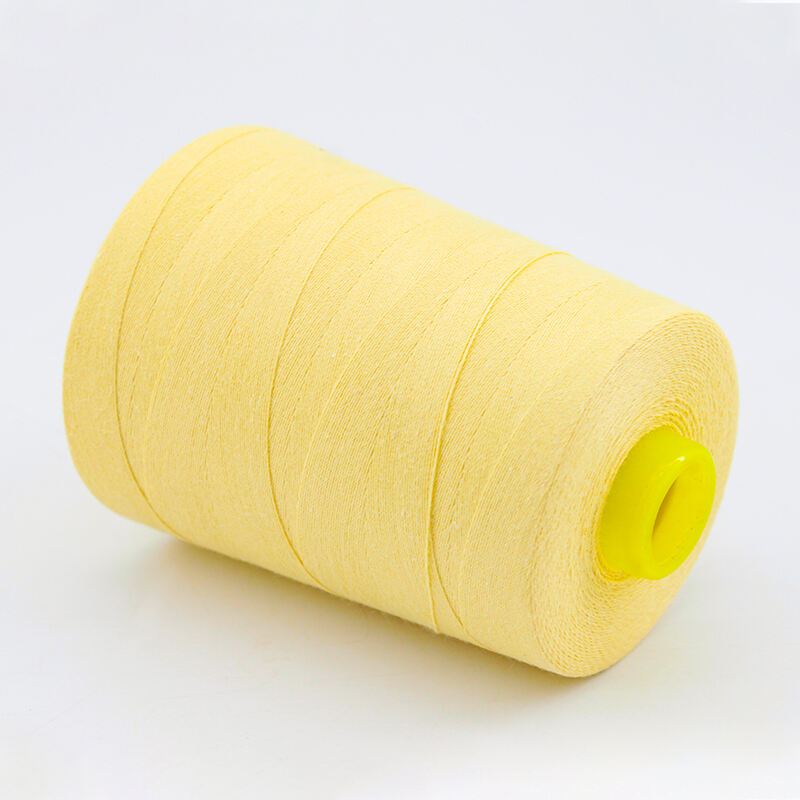
Why Aramid Yarn Is Uniquely Suited for Thermal and Flame ProtectionInherent flame resistance: carbonization without melting or dripping, LOI >28%, decomposition above 400°CThe unique aromatic polymer structure of aramid yarn gives it natural fire...
VIEW MORE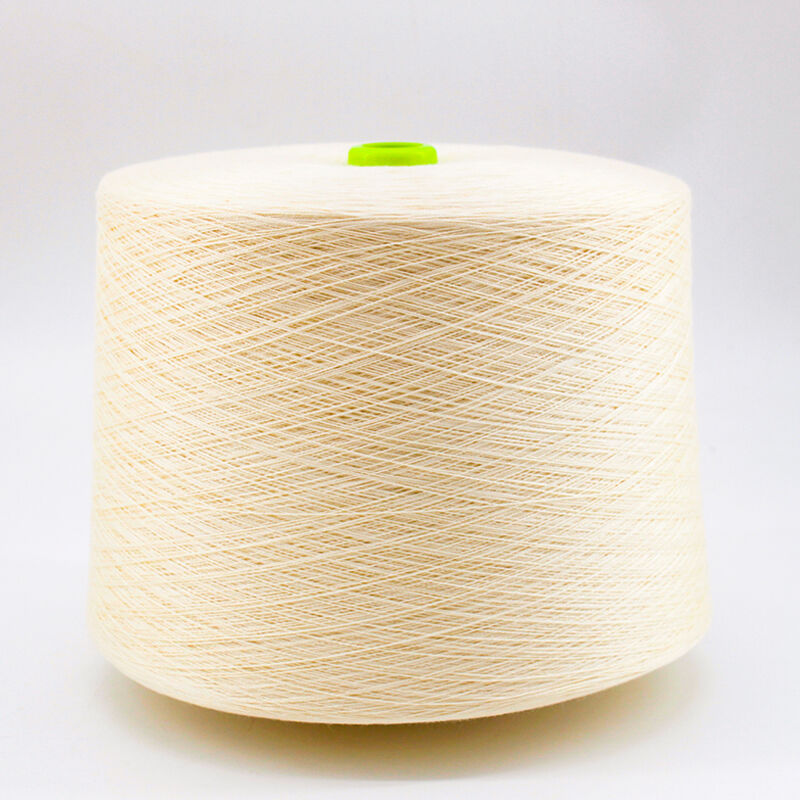
Inherent Flame Resistance: How Modacrylic Yarn Delivers Reliable, Durable Protection Gas-phase flame inhibition mechanism unique to modacrylic fibers What makes modacrylic yarn so resistant to flames? It has this built-in protection thanks to how it...
VIEW MORE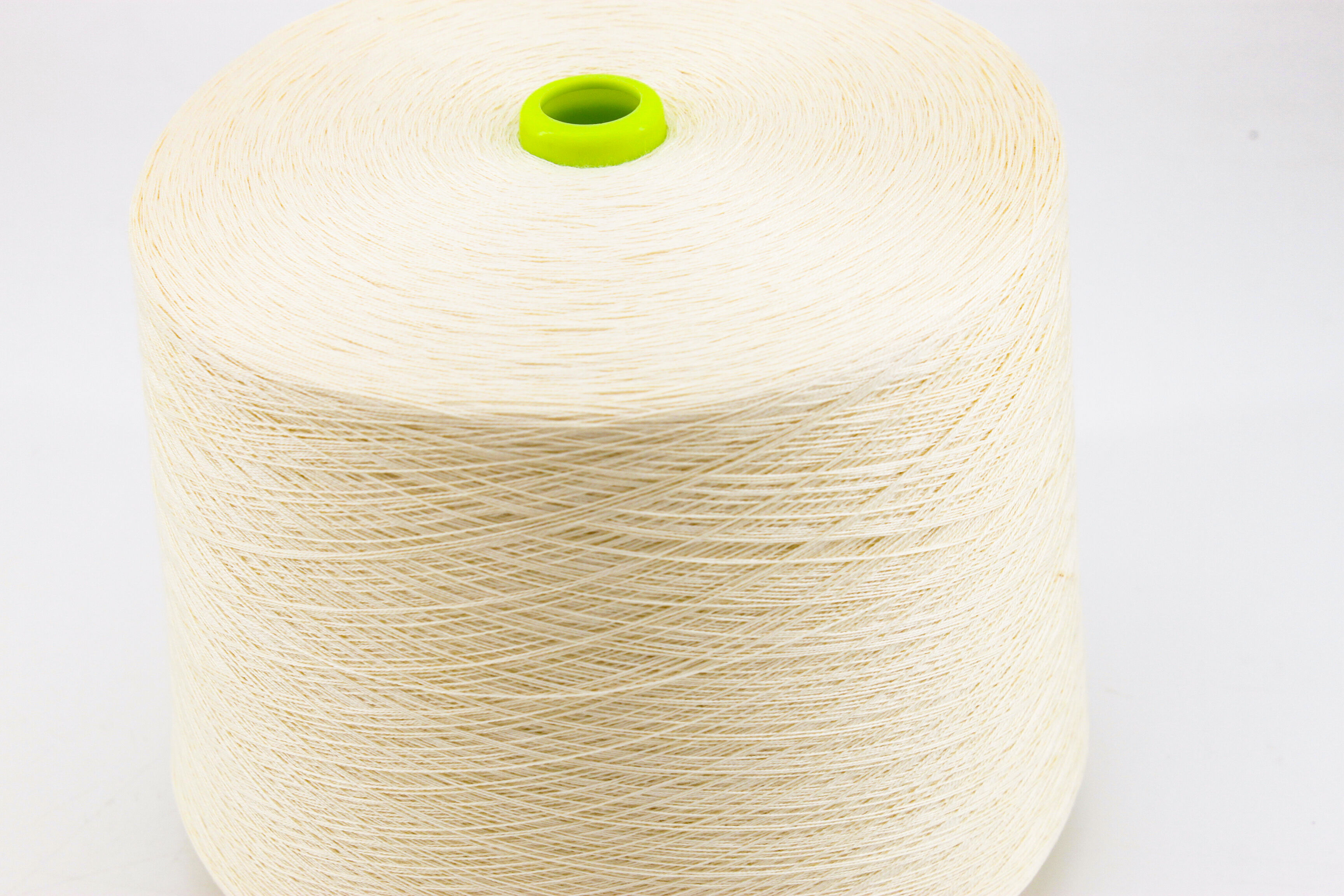
Inherent Flame Resistance: Why Modacrylic Fabric Delivers Unmatched, Permanent FR ProtectionSelf-Extinguishing Behavior and Non-Melting/Non-Dripping PropertiesWhat makes modacrylic fabric so fire resistant? The answer lies right in its chemical makeu...
VIEW MORE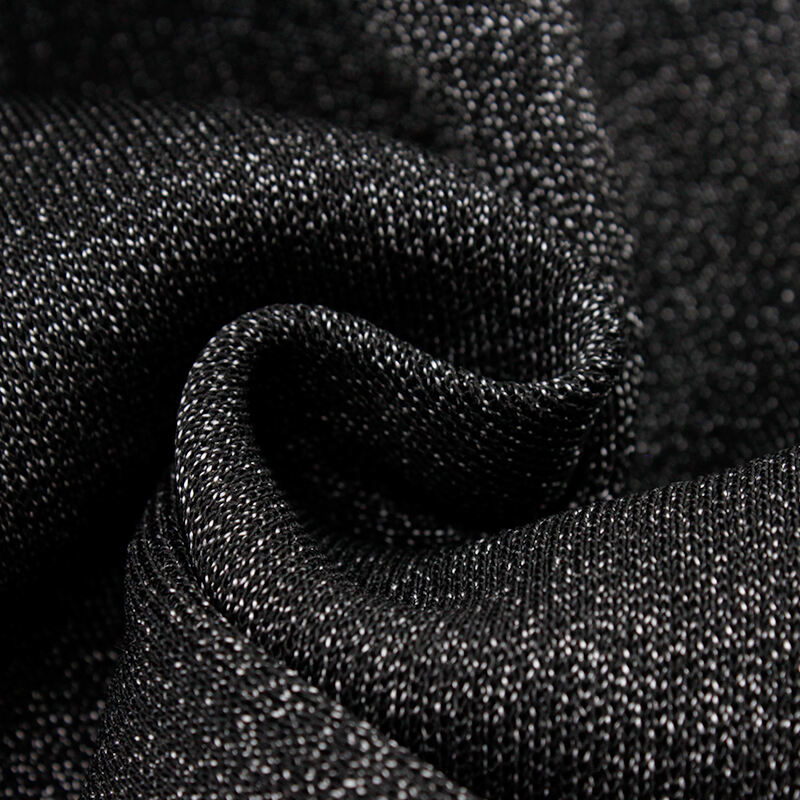
High-Performance Fibers: Building the Foundation of Protective Clothing Aramid, UHMWPE, PBI, and Dyneema – Strength, Thermal Stability, and Threat-Specific Tradeoffs Today's protective gear depends heavily on specialized fibers like aramid, UH...
VIEW MORE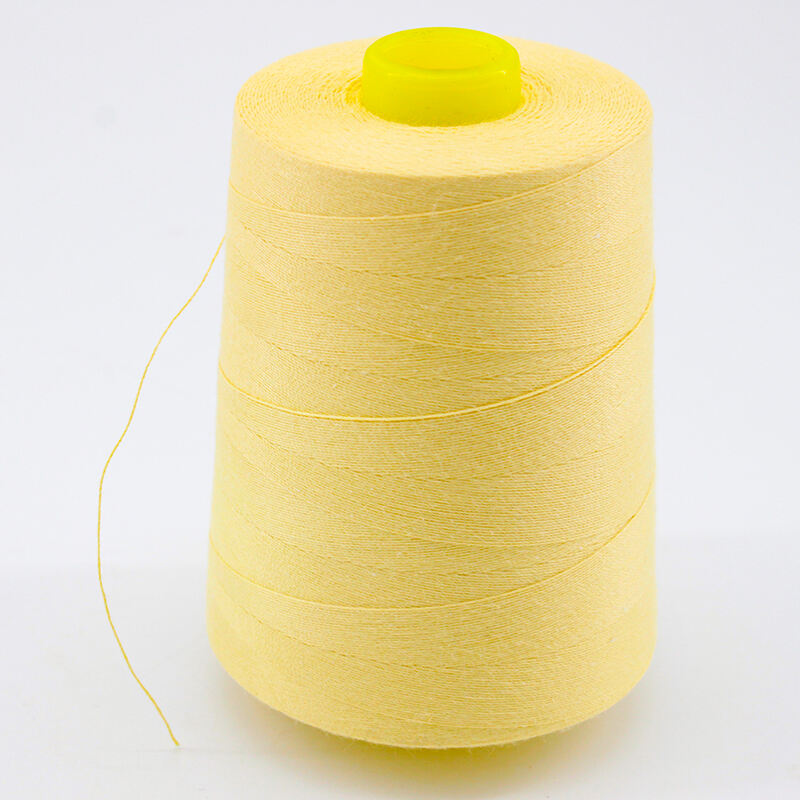
Inherent Flame Resistance: The Safety Foundation of Modacrylic YarnSelf-extinguishing behavior and non-melting performance under thermal stressThe polymer makeup of modacrylic yarn gives workers real protection against fires. When heated past around ...
VIEW MORE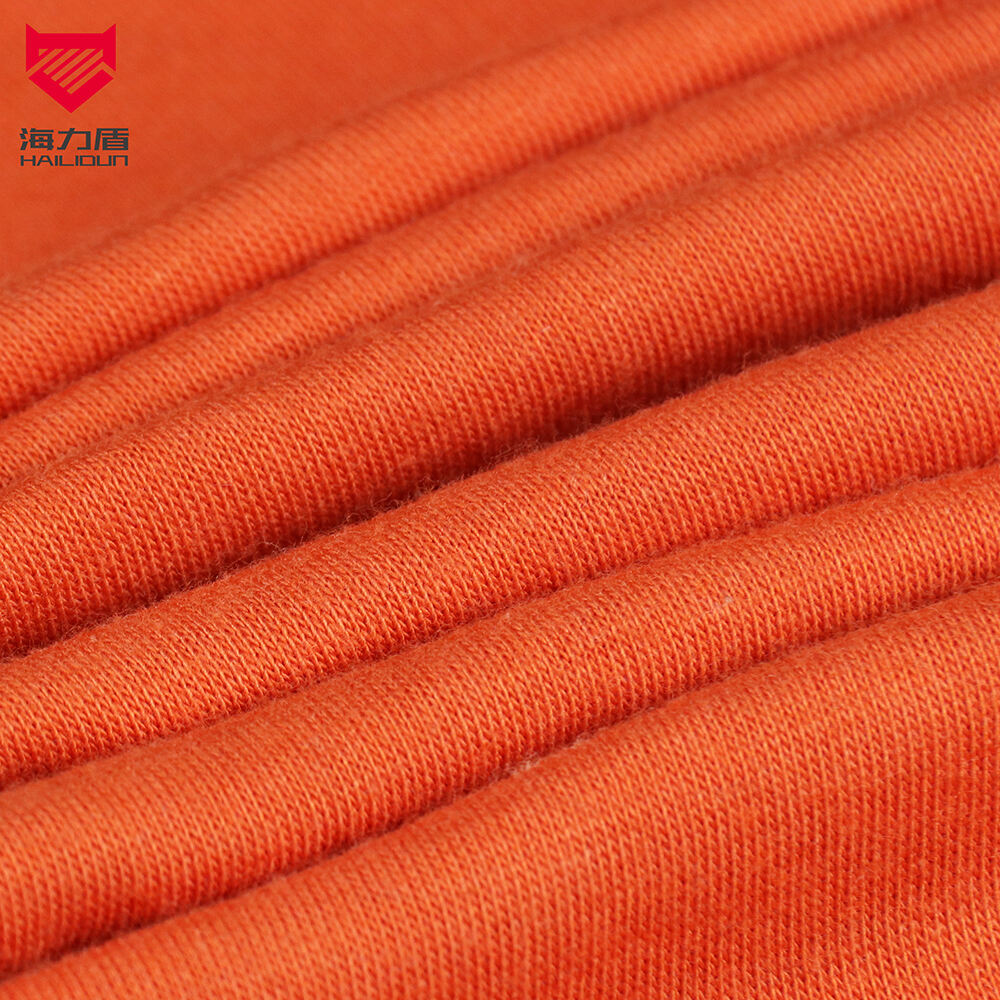
Inherent Flame Resistance: How Modacrylic Fabric Delivers Permanent FR ProtectionModacrylic fabric provides non-negotiable flame protection through its engineered molecular design. Unlike synthetic materials that melt or drip under flame exposure&mda...
VIEW MORE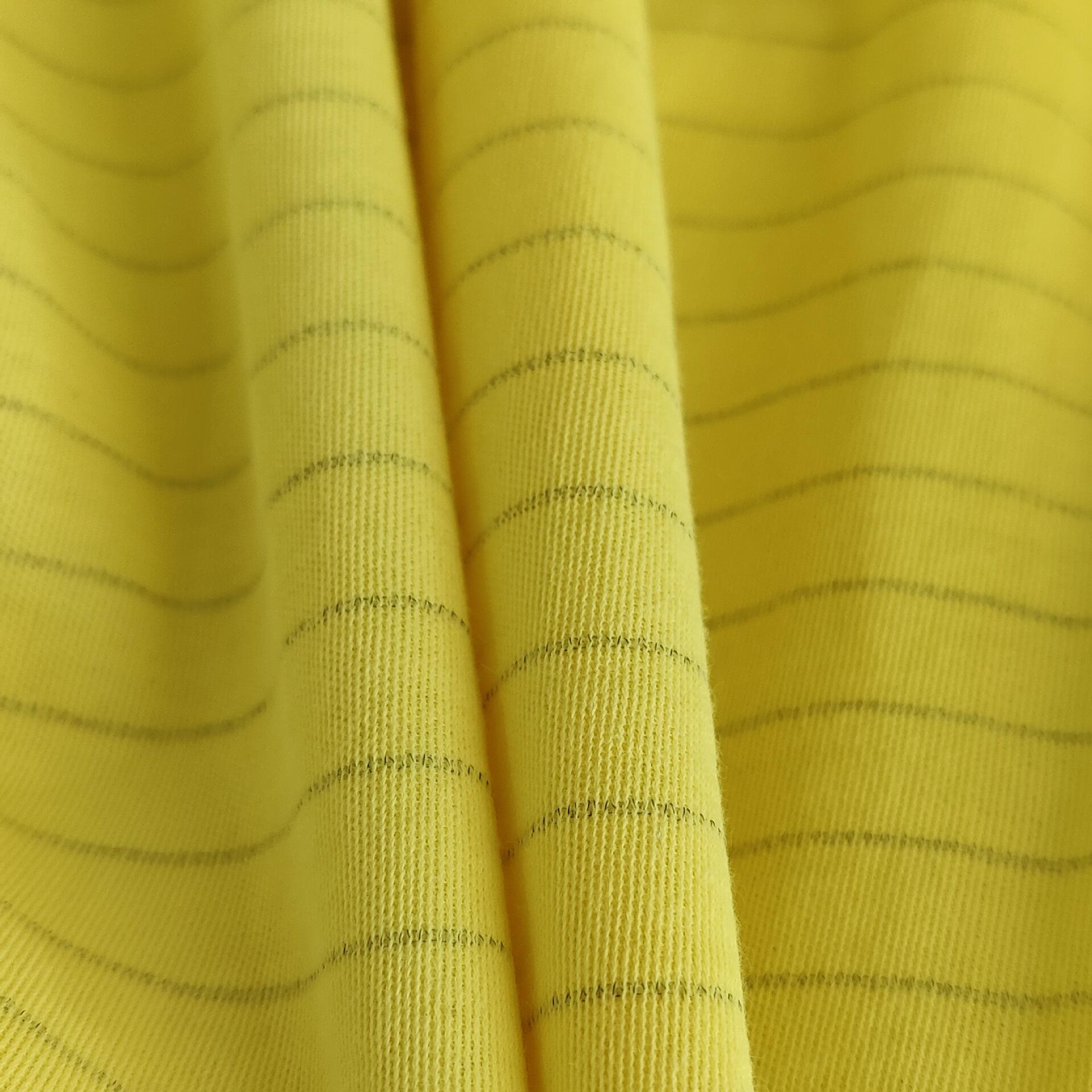
Thermal Stability and Flame Resistance of Aramid Fabric Why Aramid Fabric Resists Ignition Up to 400°C What makes aramid fabrics so special is how they hold up under intense heat conditions. Regular synthetic materials tend to start melting arou...
VIEW MORE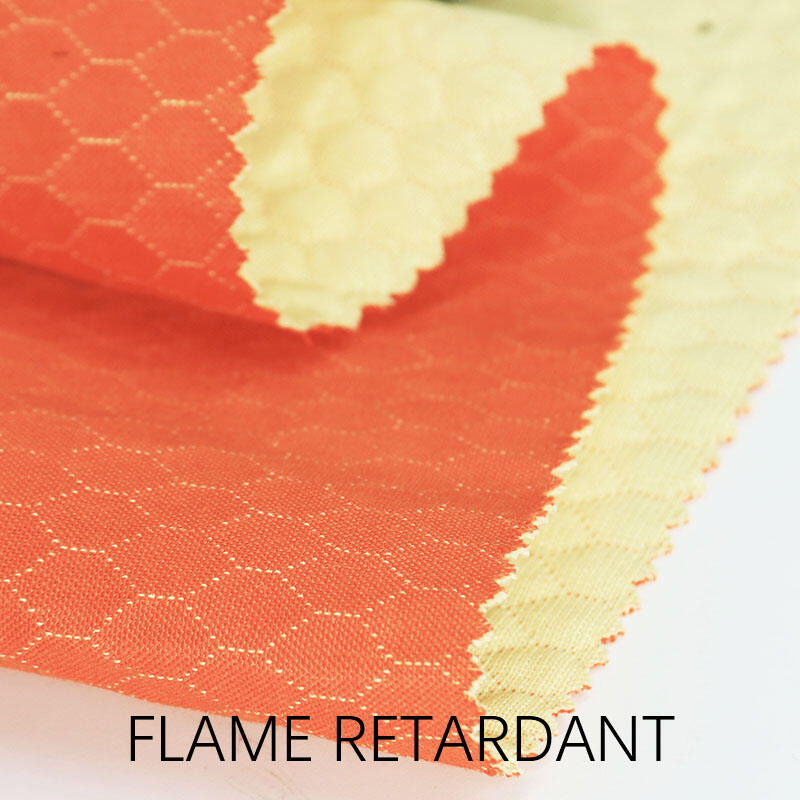
How Flame-Resistant Fabrics Work: Science, Safety Mechanisms, and Core Protective Function Thermal insulation and char formation: slowing heat transfer to skin Flame resistant fabrics start breaking down chemically when they get hit with intense hea...
VIEW MORE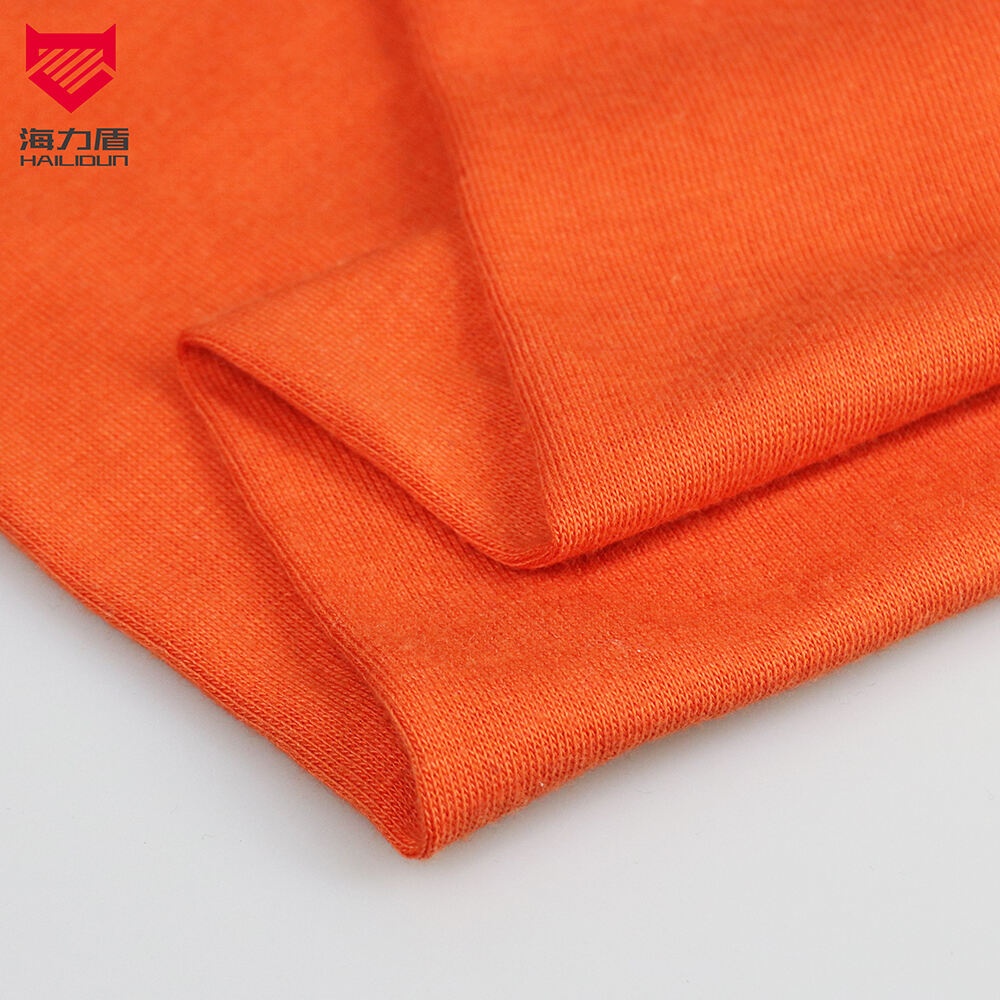
Inherent Flame Resistance: The Core of Modacrylic Fabric’s Protective PerformanceSelf-extinguishing behavior and ignition resistance in high-risk environmentsThe way modacrylic fabric is built at the molecular level gives it natural fire resist...
VIEW MORE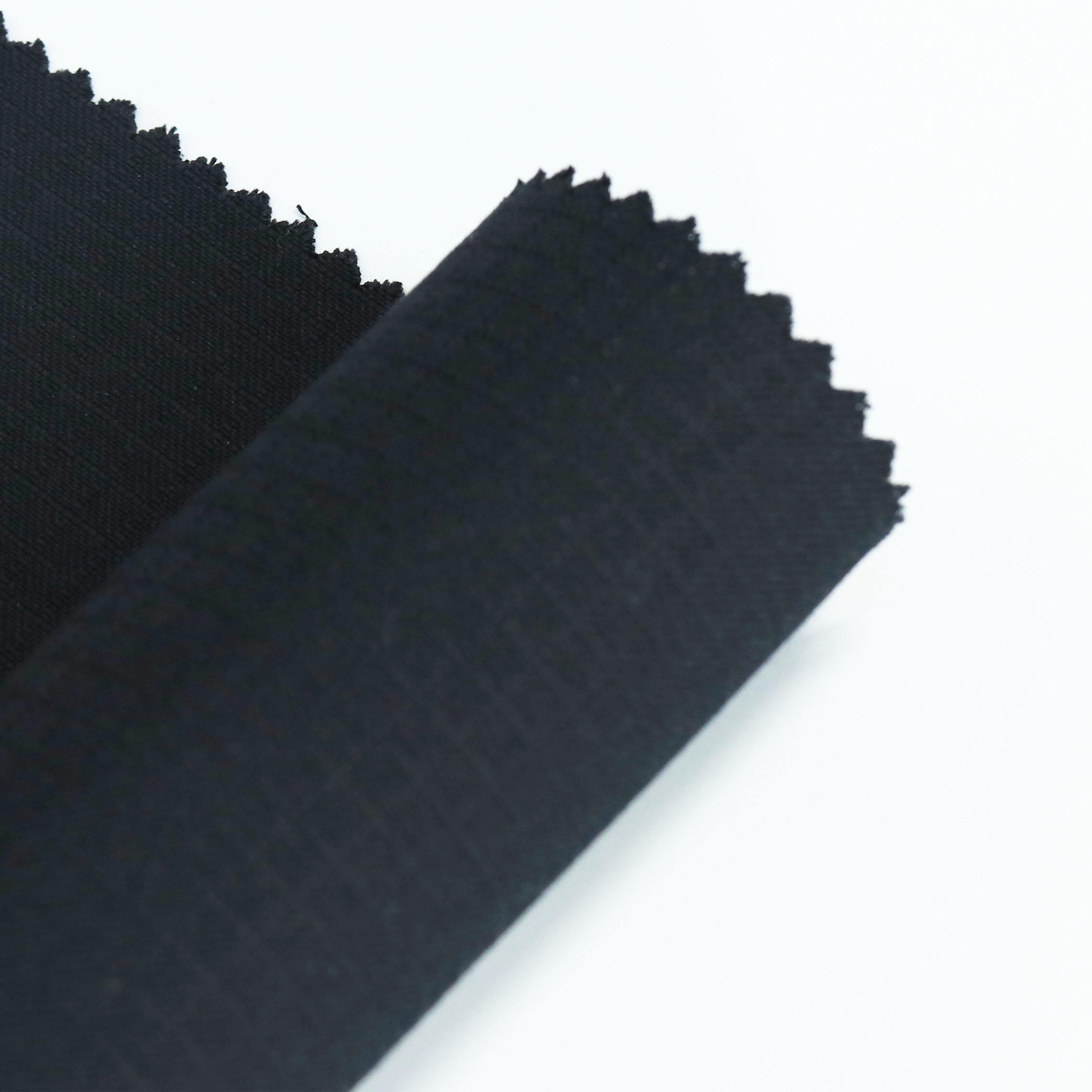
Proven Worker Safety Benefits of Flame Retardant Fabric in High-Risk IndustriesReduction in burn severity and critical escape time extensionWhen exposed to flames, flame resistant (FR) fabric puts out its own fire once away from the source and create...
VIEW MORE
 EN
EN

